
Factory Mobile Toilet Treatment
There are various treatment methods for factory mobile toilets, commonly including foam-based, water-flush/recirculating water, waterless/packing, and microbial degradation types. Factories can choose the appropriate method based on their own conditions.
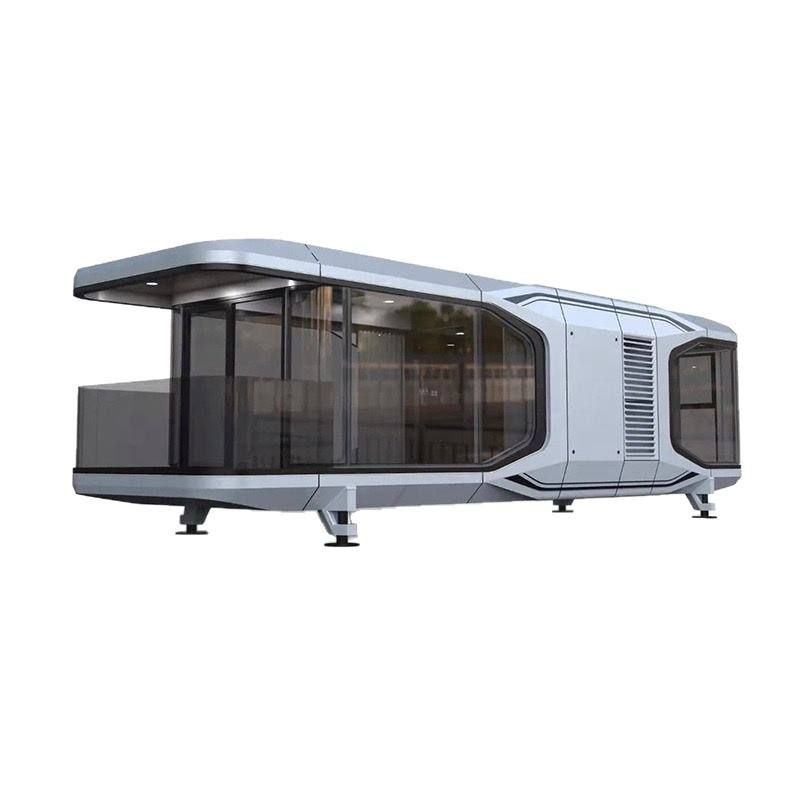
Foam-based treatment utilizes foam to block the toilet's drainage outlet, forming a dense foam layer through a mixture of foaming liquid, water, and air, which covers the excreta, isolates odors, and reduces splashing and flushing water usage. Its advantages lie in significant water conservation and odor control, making it suitable for factory sites lacking fixed water supply and drainage networks. However, this method relies on a stable power supply and continuous supply of consumables such as foaming liquid. If the power is unstable or consumables are insufficient, normal operation will be affected.
Water-flush/recirculating water treatment uses a water tank for flushing, with the sewage being filtered and then recycled. Some models employ intermittent aerobic/anaerobic treatment technologies combined with biological strains to accelerate the decomposition of excreta, achieving water conservation goals. This type requires a stable water supply but can recycle water resources, reduce pumping frequency, and has good environmental performance. For factories with a stable water supply and an emphasis on environmental protection, it is a good choice.
Waterless/packing treatment uses biodegradable plastic bags to seal excreta, automatically replacing them with new bags after each use, requiring no water source. Its characteristic is complete waterlessness and low operating costs, suitable for waterless environments. For example, in remote areas or factories with extreme water scarcity, this treatment method can effectively solve toilet usage problems. However, it requires regular manual garbage removal, and if not removed promptly, it may affect the user experience and environmental hygiene.
Microbial degradation treatment utilizes biological strains and solid-liquid separation devices to decompose feces into carbon dioxide and water, with urine being treated and then recycled. This type is environmentally friendly and efficient but has a higher cost, suitable for factory sites with high hygiene requirements. For some high-end manufacturing factories or factories with strict environmental hygiene requirements, microbial degradation mobile toilets can provide better sanitation guarantees, but the initial investment cost is relatively high.



