Factory Large Mobile Toilet
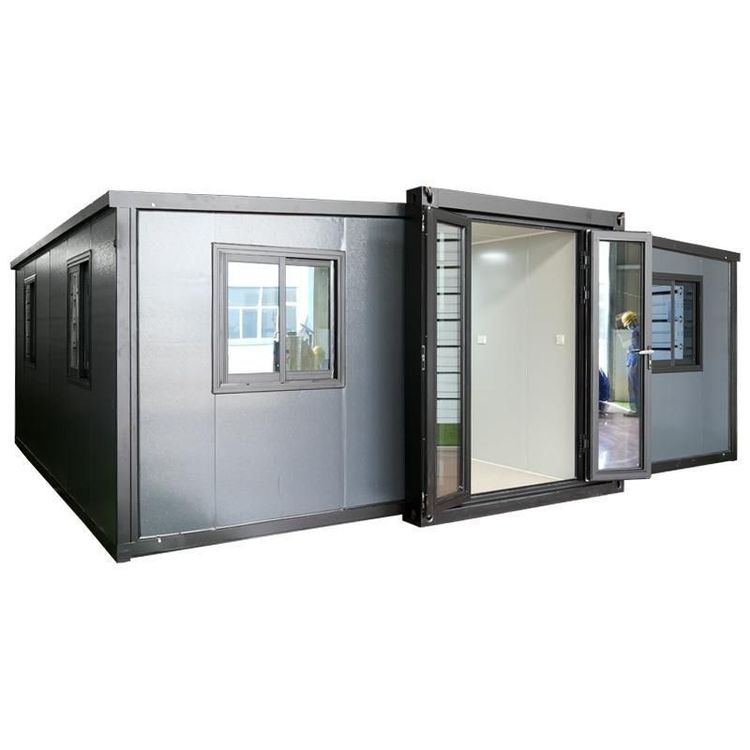
Factory large mobile toilets can be customized according to actual needs, featuring various types and configurations with a focus on practicality and flexibility in design.

I. Customized Configurations
The configurations of factory mobile toilets can be flexibly adjusted based on the ratio of personnel. For example, a factory in Zhejiang, with significantly more male employees than female ones, customized a mobile toilet with 7 male squatting positions and 1 female squatting position, which was delivered in just 4 days. Additionally, there is a European-style configuration with two male and two female positions, customized using ivory-white metal carved panels and featuring a marble basin in the middle, balancing aesthetics and practicality. This customized design effectively meets the actual needs of different factories, avoiding resource waste.
II. Structure and Composition
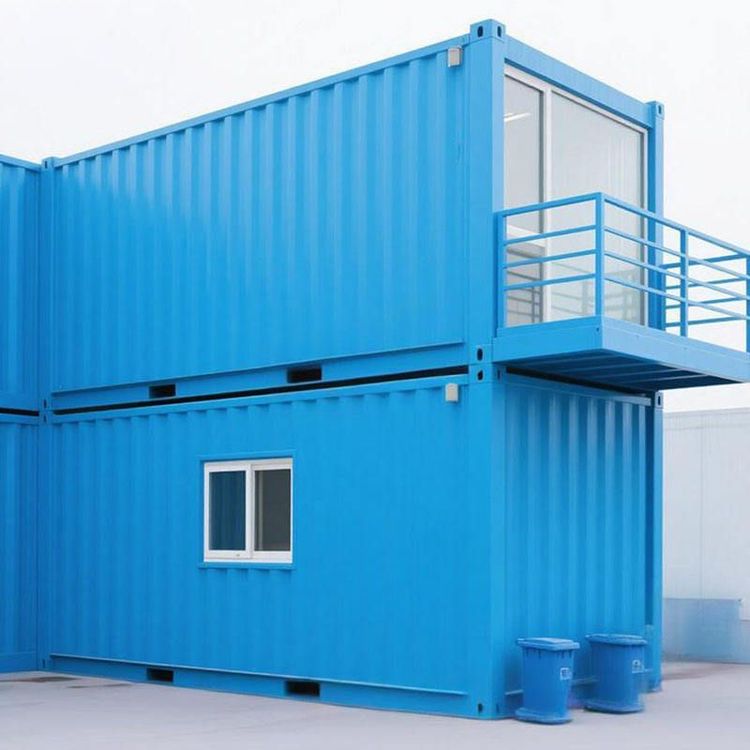
Mobile toilets are typically composed of core components such as fecal sewage storage tanks (or disposal units), floor slabs, sanitary ware, walls, washing equipment, water tanks, roofs, and mobile devices. Their structural forms are divided into single-unit and composite structures: single-unit structures are highly independent and suitable for scattered placement; composite structures can be modularly combined for easy expansion. The mobile methods include lifting and handling types (relying on manual or mechanical handling) and powered and towed types (equipped with power systems or towable for transportation), which can be selected based on the factory's terrain and transportation conditions.
III. Sewage Treatment Methods
According to sewage treatment needs, mobile toilets can be classified into four categories:
- Water-flushing type: Flushed with water supplied from a water tank, requiring regular cleaning of the sewage storage tank, suitable for factories with a water source and convenient sewage discharge.
- Waterless suction type: Uses vacuum suction technology to treat feces, requiring no water source but equipped with suction equipment for regular maintenance.
- Recirculating water-flushing type: Achieves sewage recirculation through biological degradation or chemical treatment, saving water and being environmentally friendly, suitable for factories with water scarcity.
- Dry packing type: Uses degradable bags to collect feces, requiring no water flushing, suitable for scenarios without a water source or for temporary use.
IV. Design Features
Factory-specific mobile toilets emphasize practicality and flexibility. For example, a simple double-squatting-position design uses galvanized square tubes to weld the main frame, with walls made of thermal insulation and environmentally friendly panels, paired with titanium-magnesium alloy toilet doors, which are both sturdy and easy to move and install. The internal space is reasonably planned to ensure spaciousness and can be flexibly deployed around production areas, reducing employees' time costs for using the toilet.