
Fabric Mobile Toilet Design Drawings
Currently, there are no directly available design drawings for fabric mobile toilets, but conceptual design references can be made by combining the design ideas of mobile restrooms with the characteristics of fabric. The following provides an explanation from four aspects: design ideas, material selection, structural framework, and fabric application.
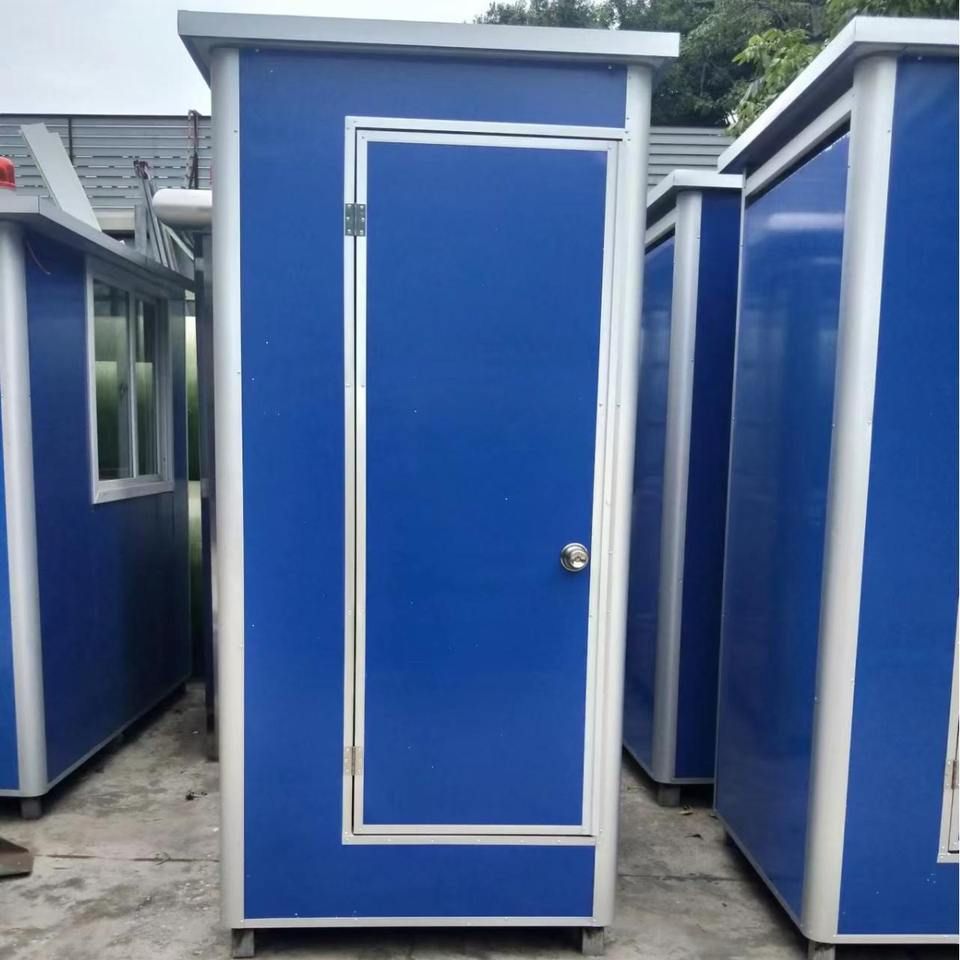
Design Ideas
The core requirements of a mobile toilet are portability, functionality, and hygiene. A fabric mobile toilet should meet these basic needs while highlighting the characteristics of fabric materials, such as being lightweight, foldable, and easy to clean. When designing, one can refer to the layout of traditional mobile restrooms, such as setting up independent toilet spaces, ventilation systems, and sewage disposal devices, while utilizing the flexibility of fabric to optimize the structure for easier transportation and installation.
Material Selection
- Frame Materials: To support the fabric structure, lightweight yet sturdy materials such as aluminum alloy or high-strength plastic should be selected. These materials are lightweight, corrosion-resistant, suitable for outdoor use, and easy to disassemble and assemble.
- Fabric Materials: Choose waterproof, stain-resistant, and tear-resistant fabrics, such as Oxford cloth or PVC-coated cloth. These fabrics can effectively prevent liquid penetration, keep the interior dry, and are easy to clean and maintain.
- Auxiliary Materials: Include zippers, Velcro, fasteners, etc., used to secure fabric components and ensure structural stability. Additionally, lightweight foam or sponge can be selected as cushion materials to enhance comfort.
Structural Framework
- Main Frame: Adopt a modular design for easy and quick assembly and disassembly. The frame can be divided into a top, bottom, and surrounding columns, fixed with connectors. The top can be designed as an openable vent equipped with a rain cover to ensure ventilation while preventing rainwater from entering.
- Fabric Wrapping: Cut the selected fabric materials to the appropriate size and secure them to the frame with zippers or Velcro. The surrounding fabric can be designed as rollable curtains for easy entry and exit while maintaining privacy.
- Internal Facilities: Include portable toilets, water storage tanks, sewage disposal bags, etc. The toilet can be made of lightweight plastic material, the water storage tank for flushing, and the sewage disposal bag for collecting waste for subsequent disposal.
Fabric Application
- Combination of Decoration and Function: Fabric is not only used to wrap the frame but can also enhance aesthetics through printing or embroidery techniques. At the same time, pockets or hooks can be set up on the fabric to place toilet paper, cleaning supplies, etc., improving practicality.
- Adjustable Design: Utilize the elasticity of fabric to design adjustable vents or sunshades to adapt to different weather conditions. For example, the vent can be controlled by a drawstring to adjust the degree of opening, and the sunshade can be fixed at different positions with Velcro.



