Back to blog
Article
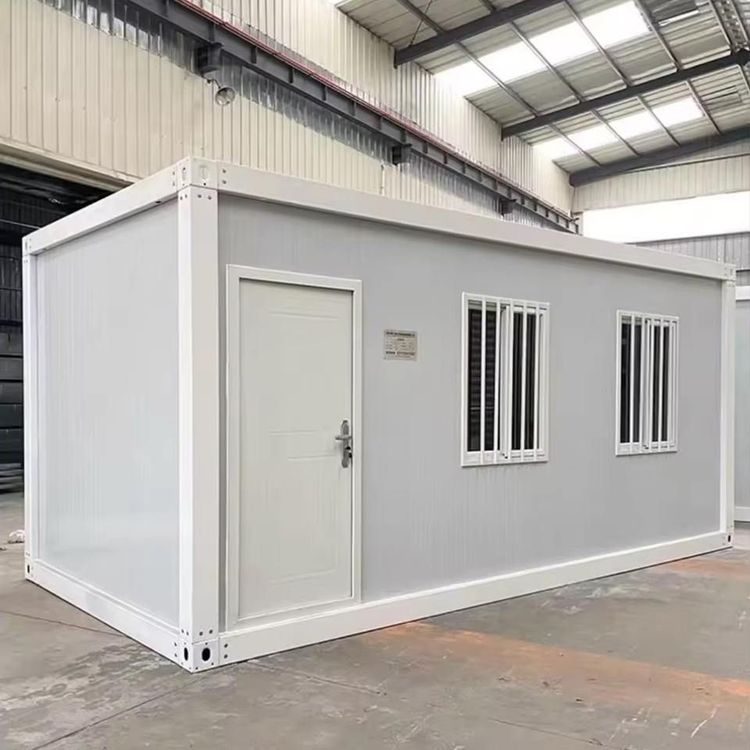
Ezhou Prefabricated Mobile Toilet
Admin October 16, 2026
The Ezhou prefabricated mobile toilet is an environmentally friendly facility that combines modular design with flexible service models, suitable for various scenarios and featuring efficiency, relocatability, and customization.

I. Types and Core Features
- Steel Structure Model
Based on a steel frame, it offers sturdy durability, corrosion resistance, and weather resistance, making it ideal for short-term or temporary scenarios such as outdoor music festivals and construction sites. It is available in single-user, double-user, and accessible models, providing high rental cost-effectiveness and diverse styles. - Modular Prefabricated Public Toilet
Constructed through factory-prefabricated components and rapid on-site assembly, it shifts traditional wet work (such as bricklaying and plastering) to the factory. Modules come integrated with sewage pipes, water supply connections, and electrical wiring upon leaving the factory. Its relocatability stands out, allowing complete module transportation to new sites after disassembly, reducing resource waste.
II. Service Models and Costs
- Rental Services
The rental process in Ezhou is straightforward: users need to specify the usage time, site location, and quantity in advance, with the rental provider responsible for delivery, installation, and collection. The contract must clearly outline transportation and installation costs, as well as the responsibilities of both parties, to avoid disputes. - Leasing Model
The lessor bears depreciation, maintenance, and transportation costs, while the lessee pays periodic fees, eliminating the need to bear financial pressure for long-term idle facilities. Cost components include rent, transportation distance, site flatness, and sewage discharge methods (such as whether connected to the municipal sewer network).
III. Suitable Scenarios and Configuration Recommendations
- Large-Scale Events
Steel structure toilets are suitable for concerts and sports events, while modular public toilets can adjust quantities based on attendance (e.g., 5-8 units needed for music festivals with over 1,000 people). - Temporary Construction Sites
Long-term rentals require regular inspections (e.g., septic tank cleaning). Sites near water sources can opt for flush toilets, while waterless environments prioritize packaged toilets. - Special Scenarios
Pet shows require the addition of non-slip mats and pet passages; high-humidity areas should be equipped with humidity-sensing exhaust fans; mountain projects need demountable structures to adapt to narrow mountain roads.
IV. Technical Details and Environmental Design
- Modular Interior Structure
Toilet walls adopt a sandwich structure (insulation material + metal/GRP panels), with floors using non-slip tiles and removable floor drains for easy cleaning and maintenance. - Sewage and Ventilation Systems
Mostly using vacuum negative pressure or miniaturized treatment equipment, reducing reliance on municipal sewer networks. Ventilation systems include natural and mechanical exhaust, with automatic exhaust fan activation in high-humidity areas to prevent odors. - Environmental Adaptation Clauses
The contract must specify freeze protection measures (such as pipe heating tapes) and lightning protection grounding to ensure normal operation of equipment under extreme weather conditions.
V. Selection Recommendations
- Clarify Needs
Match service provider quotes based on event scale, site conditions, user groups (e.g., whether accessible facilities are needed), and special requirements (such as hand sanitizer and air fresheners). - Compare Service Providers
It is recommended to compare 3-5 service providers, focusing on additional services such as cleaning frequency and maintenance response speed. Selection can be guided by the Temporary Facility Standardization Configuration Guide issued by the Ezhou Housing and Urban-Rural Development Bureau.