
Ezhou Ecological Mobile Toilet
Ezhou ecological mobile toilets are important facilities for enhancing the service level of public spaces. When renting, it is necessary to comprehensively consider factors such as the scenario, foot traffic, and infrastructure for scientific selection.
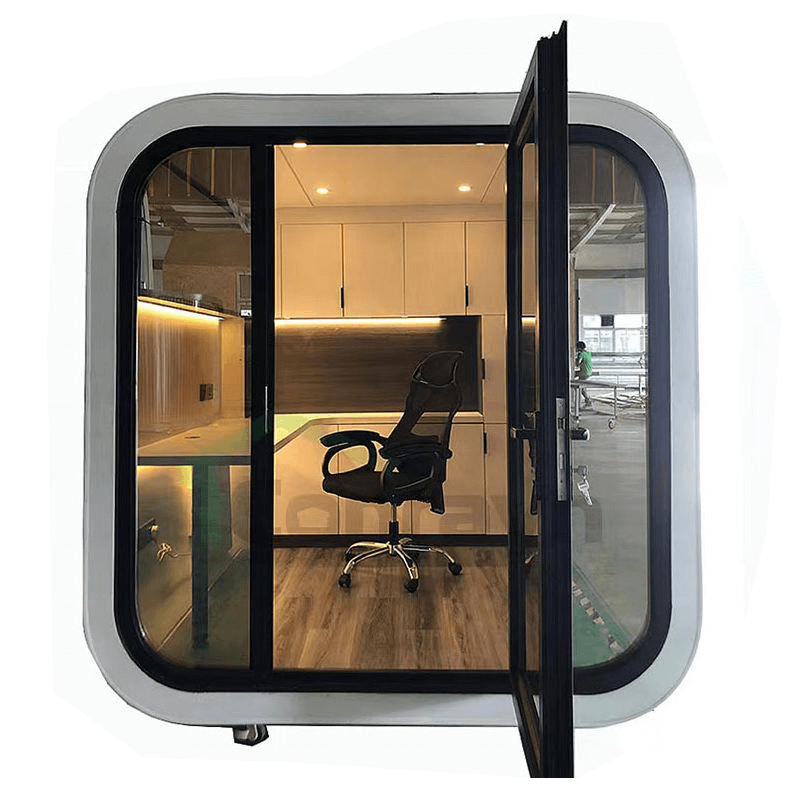
1. Usage Scenarios and Duration
For short-term events (such as music festivals and exhibitions), it is recommended to adopt a rental model, which incurs lower costs and eliminates the need to bear equipment maintenance responsibilities. For long-term construction sites or supplementary permanent public spaces, purchasing or long-term leasing can be considered. For example, the rental cost for an exhibition within 3 days is usually lower than the purchase cost, while for construction site usage exceeding 1 year, it is necessary to evaluate equipment depreciation and maintenance costs.
2. Foot Traffic and Toilet Cubicle Allocation
The number of required toilet cubicles should be calculated based on the estimated peak foot traffic. For small events (with fewer than 100 people), configuring 2 restrooms is sufficient; for large events with over 1000 people, 5-8 cubicles are needed, and it is recommended to allocate them according to a male-to-female ratio of 1:1.5. For example, at music festivals, where female usage frequency is typically higher, the proportion of female cubicles can be appropriately increased to avoid queues.
3. Infrastructure Adaptability
- Water and Electricity Conditions: Sites without water and electricity access need to choose models with built-in freshwater tanks, solar power supply, or waterless types. For example, construction sites in mountainous areas can opt for solar-powered packaged toilets to avoid the cost of external power connections.
- Ground Conditions: Soft soil or lawn sites require wheeled models to prevent equipment sinking; construction sites near water sources can prioritize water-flush toilets, while waterless environments should choose packaged toilets.
- Space Constraints: Narrow mountain roads or indoor venues need to consider equipment volume, and disassemblable structures can solve transportation challenges.
4. Type Selection and Budget Balancing
- Water-Flush Type: High comfort but high water consumption, suitable for scenarios with water and electricity access.
- Foam Type: Water-saving and effective in odor control, but with higher costs.
- Packaged Type: No need for water and electricity, suitable for sites without infrastructure, but requiring regular replacement of packaging bags.
- Ecological Type: Utilizing microbial degradation technology, it offers the best environmental protection but requires a higher initial investment.
5. Transportation and Deployment Conditions
It is necessary to confirm whether the width of the site entrance road and the available space meet the requirements for truck transportation and hoisting. For example, narrow streets in old urban areas may require the use of small transport vehicles or segmented assembly of equipment.
6. Operation and Maintenance Service Details
When renting, it is necessary to clarify the service content, including cleaning frequency (daily cleaning is recommended), waste removal cycles, and maintenance response times. For example, some merchants offer low base rent but with cleaning intervals as long as 3 days, which may result in a worse actual user experience compared to higher-priced plans with daily cleaning. For special scenarios (such as concerts), additional configurations like hand sanitizer and air fresheners can be requested, while pet exhibitions may require non-slip mats and pet passages.



