Ezhou Direct Discharge Mobile Toilet
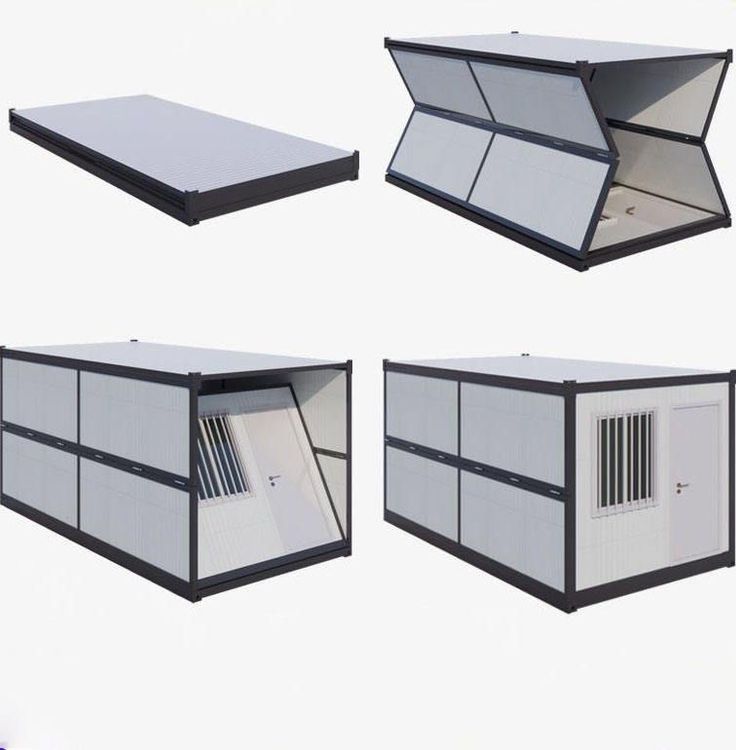
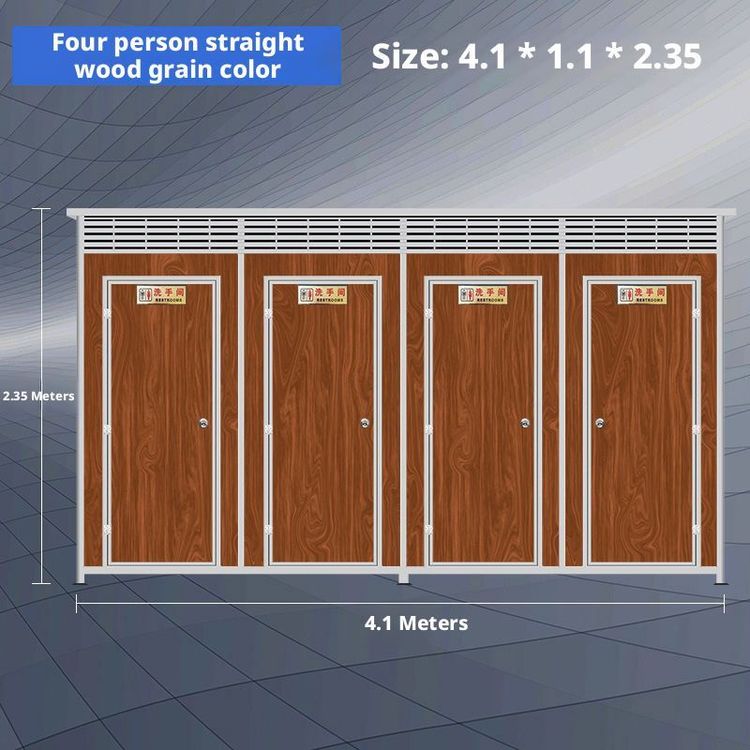
The Ezhou direct discharge mobile toilet is a mobile sanitation facility that employs a direct discharge sewage system, suitable for areas without municipal sewage networks, featuring easy mobility and a high capacity for single-use occupancy.

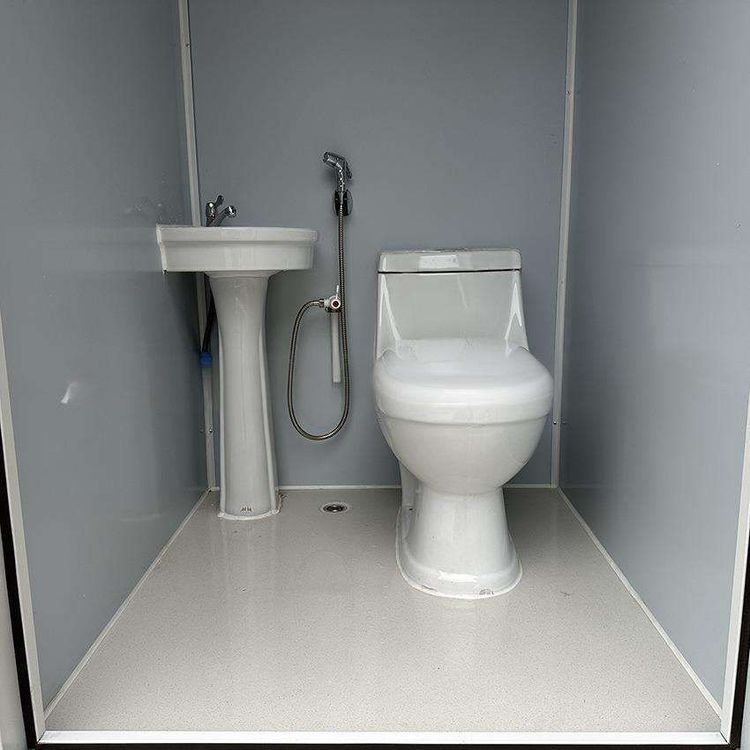
The core design of the direct discharge mobile toilet includes an internally equipped sealed sewage storage tank, typically with a capacity ranging from 200 to 500 liters. Its sewage discharge principle relies on negative pressure or gravity: the negative pressure system uses an air extraction device to create a negative pressure environment, accelerating the flow of waste into the storage tank; the gravity system utilizes height differences to allow waste to naturally flow into the tank. Both methods effectively prevent odor leakage, ensuring a hygienic usage environment.
In terms of application scenarios, direct discharge mobile toilets primarily serve two types of settings. First, they are used in areas with inadequate municipal infrastructure, such as urban road renovation sites in Ezhou, remote scenic spots, or temporary construction sites, where fixed sewage pipes are lacking, allowing for rapid deployment and independent operation of the toilets. Second, they are suitable for large-scale outdoor events, such as music festivals, sports events, or fairs, where their high capacity for single-use occupancy (typically, a single toilet unit can accommodate 50-100 people per day) efficiently handles peak人流 (pedestrian flow), while their mobility supports flexible adjustments according to event layouts.
Operational maintenance requires strict regulation. Rental agencies need to plan the routes for sewage removal vehicles in advance to ensure efficient fecal waste transportation. The removal vehicles must possess professional qualifications, and the transportation process must be tightly sealed to prevent secondary pollution. The fecal waste must ultimately be transported to designated treatment plants for harmless disposal, meeting environmental protection requirements. For example, a rental agency in Ezhou optimized the removal routes in a road renovation project, controlling the frequency of storage tank removal to 1-2 times per day, ensuring normal toilet usage while reducing transportation costs.
The technological advantage lies in adaptability. The direct discharge design does not require connection to external water sources or sewage networks, only needing regular removal of the sewage storage tank to maintain operation, significantly reducing dependence on site conditions. Additionally, some high-end models are equipped with intelligent monitoring systems that can display the storage tank capacity in real-time, reminding timely removal and further enhancing management efficiency.