Extra-Large Space Movable Toilet
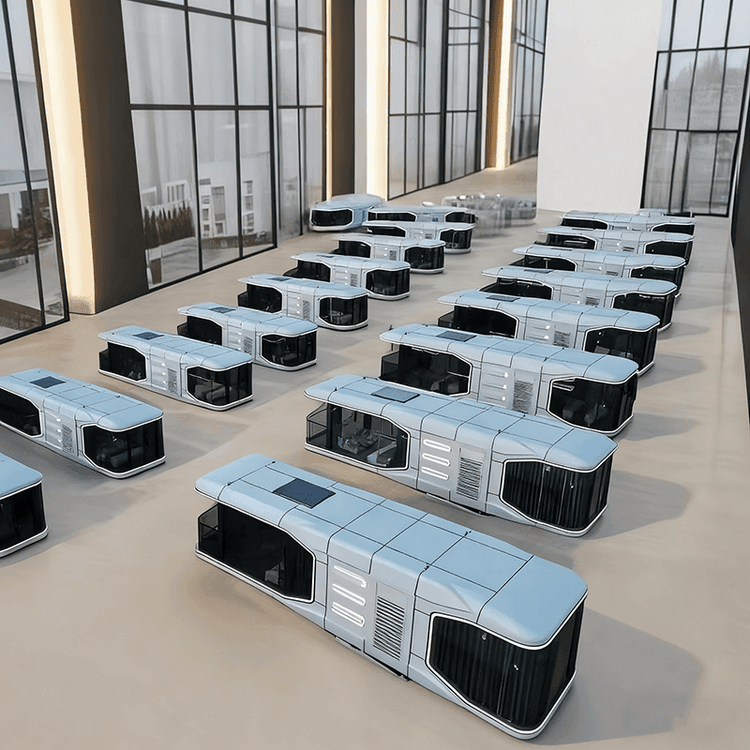
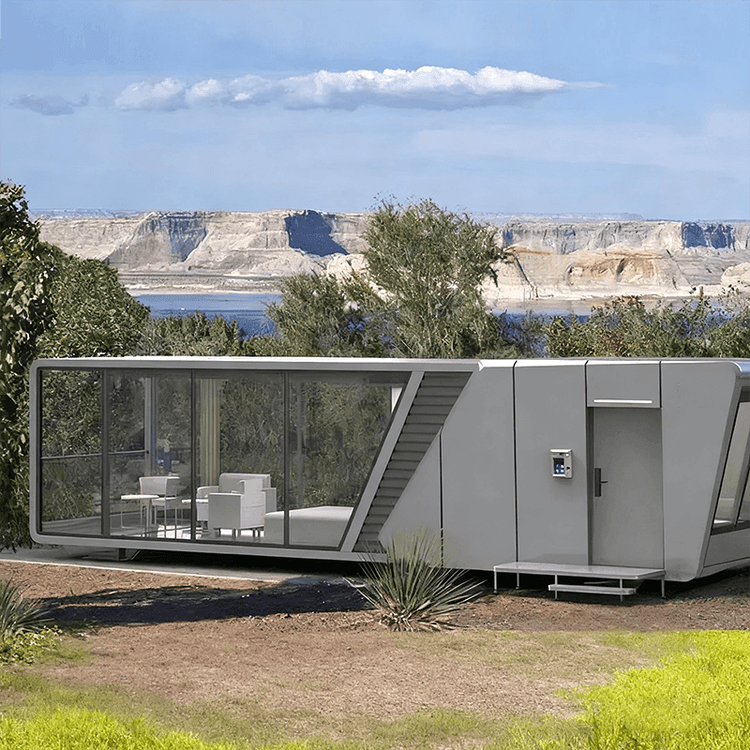
The extra-large space movable toilet is a large-sized prefabricated sanitary facility suitable for scenic spots and other venues. It features mobility, modularity, and ease of transportation, and can meet the sanitary needs of high-traffic scenarios through modular design.

1. Structural Composition and Functional Characteristics
The extra-large space movable toilet typically consists of core modules such as fecal sewage storage tanks (or disposal units), floor slabs, sanitary fixtures, walls, washing equipment, water tanks, roofs, and mobile devices. Its design adheres to the principle of functional integration. For example, the mobile restroom of Beijing Environmental Sanitation adopts a split-body structure, with wall materials selected from high-density polyethylene or fiberglass-reinforced plastic, offering both corrosion resistance and lightweight properties, effectively reducing transportation and deployment costs. The interior space is optimized through modular layout, such as setting up multiple independent squatting compartments, ensuring privacy while enhancing usage efficiency.
2. Diversity in Size and Material
The size of the extra-large space movable toilet can be flexibly adjusted according to application scenarios. Common specifications include models with a length of 12 meters and metal carved panel materials, as well as customized container-style toilets measuring 14 meters in length, 3 meters in width, and 2.8 meters in height. Metal carved panel materials combine aesthetics with durability, suitable for long-term outdoor use; container structures simplify transportation processes through standardized design, allowing for quick assembly and expansion to accommodate varying crowd sizes.
3. Classification Methods and Application Scenarios
Mobile toilets are classified based on structural form, mobility method, and sewage treatment approach:
- Structural Form: Split-body structures (such as the Beijing Environmental Sanitation case) separate fecal treatment from the main space, enhancing maintenance convenience; integrated structures combine all functional modules, suitable for rapid deployment.
- Mobility Method: They rely on trailer chassis or container frames for overall relocation, with some models equipped with telescopic supports to enhance site adaptability.
- Sewage Treatment Method: They are divided into storage types (regularly transporting fecal sewage) and disposal types (equipped with biochemical treatment units for on-site purification). Scenic spots and other venues often adopt storage types to reduce costs, while remote areas may choose disposal types to minimize environmental impact.
4. Technological Advantages Compared to Traditional Toilets
Compared to traditional fixed restrooms, the extra-large space movable toilet breaks through limitations in space utilization, deployment flexibility, and maintenance efficiency through modular and functionally integrated design. For instance, its detachable structure allows for rapid reconfiguration or upgrading of interior facilities to adapt to seasonal crowd variations; lightweight materials and standardized interfaces reduce transportation and installation costs, making it particularly suitable for complex terrains or temporary event scenarios.