
Exportable Mobile Toilets to India
Currently, there are plans to export products related to ecological toilet technology to India, but there are no explicitly mentioned cases of direct export of ordinary mobile toilets. Here is a detailed analysis:
1. Export Cases of Ecological Toilet Technology The integrated water-circulating ecological toilet (model b—CRT—1000) developed by Jiangsu Yixing Aikesen Ecological Sanitation Equipment Co., Ltd. has obtained the world's first ISO30500 certification and plans to be exported to rural areas of Hyderabad, India. Designed for areas without a pipeline network, this device utilizes solar power and closed-loop water recycling technology, achieving zero sewage discharge through biological degradation and membrane filtration. It falls under the category of non-traditional sanitation solutions. Its core advantage lies in its independence from municipal water supply and sewage systems, enabling rapid deployment in remote or areas with weak infrastructure, meeting the needs of toilet renovation in rural India. Currently, the product has completed technical verification and entered the export implementation phase.
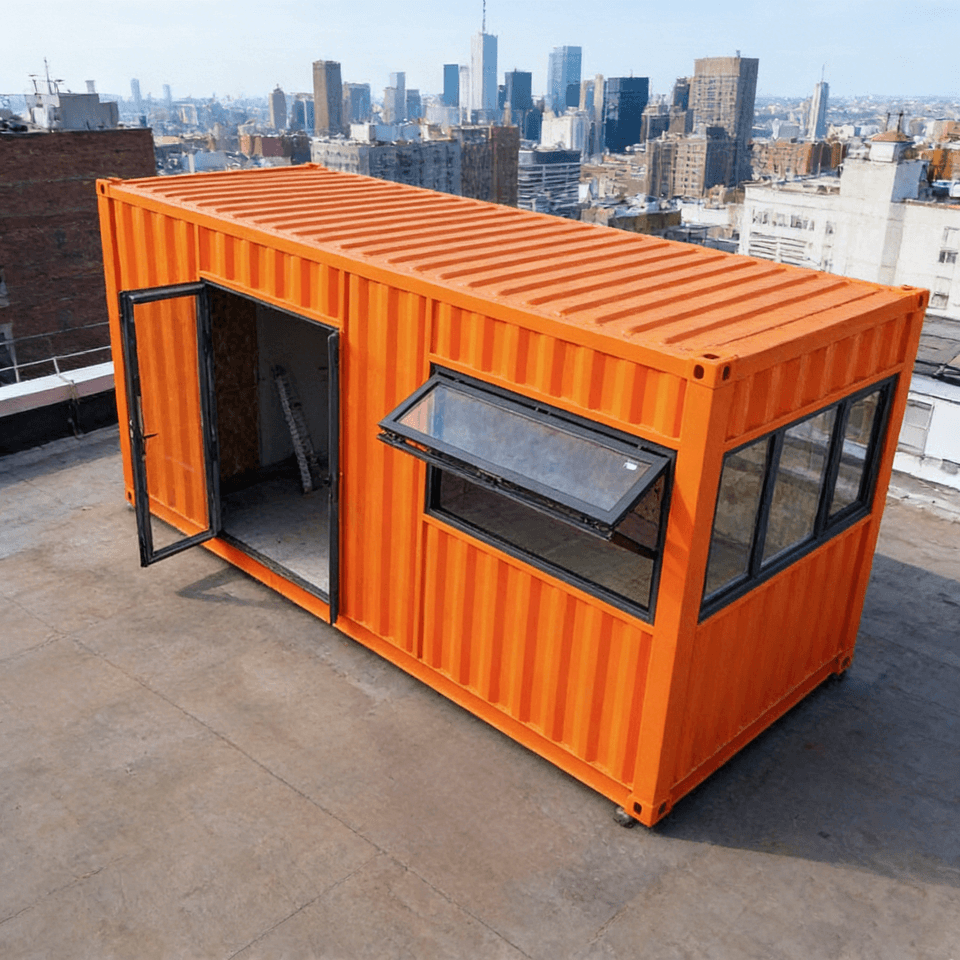
2. Export Situation of Ordinary Mobile Toilets Other search results mainly involve export information on fixed sanitary products such as ceramic toilets and split-type toilet bowls, without explicitly mentioning export cases of traditional mobile toilets (such as container-type and trailer-type toilets) to India. Ordinary mobile toilets typically require supporting septic tanks or regular cleaning services, which may face issues such as high operation and maintenance costs and poor adaptability in rural areas of India. Therefore, ecological toilet technology has garnered more attention.
3. Key Points to Note for Exporting to India
- Technical Adaptability: Some regions in India have hot climates and unstable power supplies, so it is necessary to ensure that the equipment has high-temperature resistance and low energy consumption characteristics.
- Cultural Acceptance: Consider local sanitation habits, such as preferences for squat toilets versus sit-down toilets.
- Policy Compliance: Comply with the certification requirements of the Bureau of Indian Standards (BIS), especially environmental protection and safety standards.
- Operation and Maintenance Support: Provide localized training to ensure the long-term stable operation of the equipment.
If planning to export mobile toilets to India, it is recommended to prioritize researching the infrastructure conditions of the target area, selecting product types with mature technology and strong adaptability, and establishing an operation and maintenance service system with local partners in advance.



