Export Prefabricated House Customization Process
The export prefabricated house customization process encompasses six core stages: demand communication, material selection, modular production, transportation design, logistics installation, and quality inspection, as detailed below:

1. Demand Communication and Preliminary Design
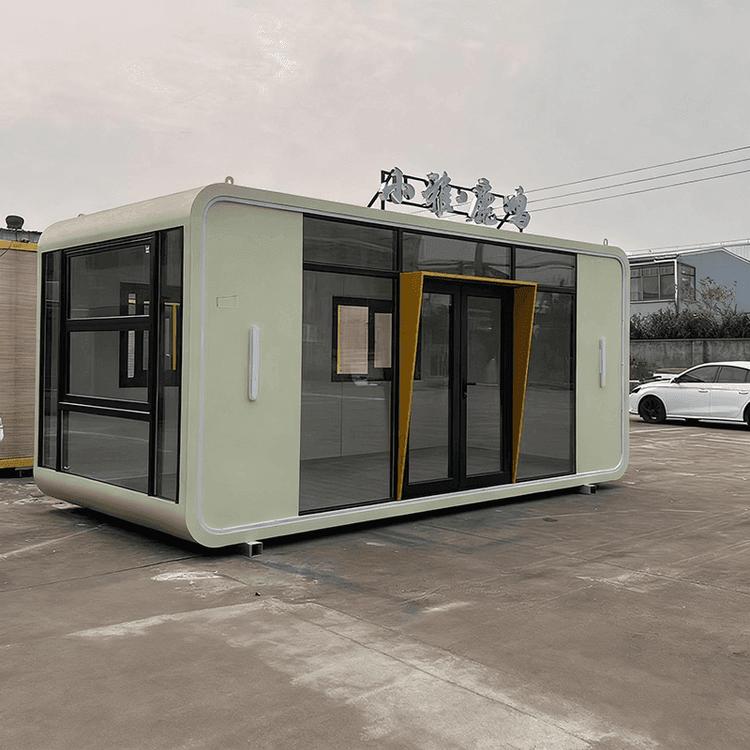
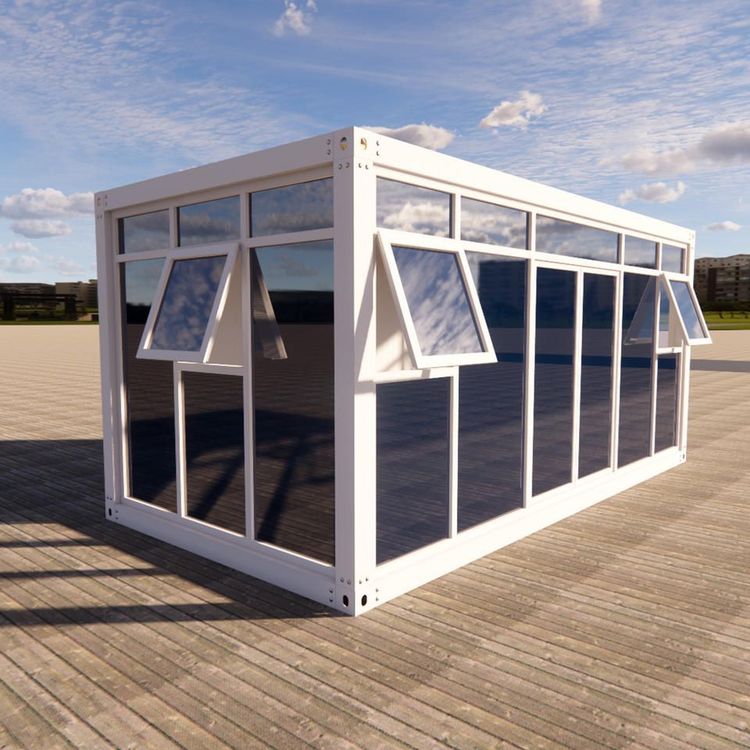
It is essential to clarify the intended use of the house (e.g., worker dormitories, commercial exhibition halls, or emergency shelters) and determine the spatial layout, load-bearing requirements, and functional zoning based on the purpose. For instance, overseas construction site dormitories may require increased bed density, while storage panel houses need reinforced floor load-bearing capacity. Designers provide preliminary floor plans, marking details such as door and window positions and functional area divisions, allowing clients to propose modifications. This stage also involves considering the target country's climatic conditions (e.g., enhanced insulation for cold regions, optimized heat resistance for hot and arid areas) and building code requirements.
2. Material Selection and Standard Confirmation
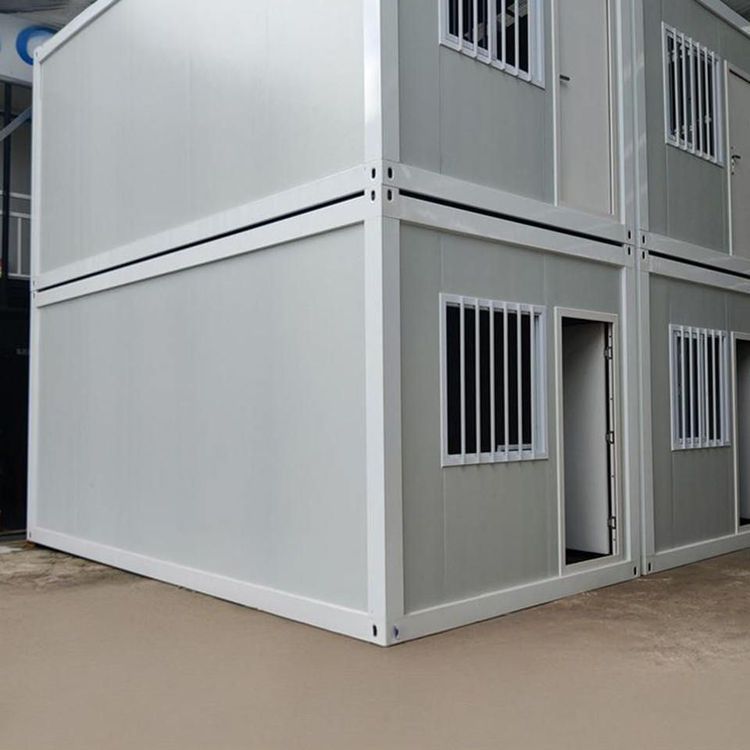
Materials compliant with target market regulations are selected, such as fire resistance ratings of Class A and waterproof performance meeting ASTM standards for the European and American markets. Common materials include light steel frame structures (requiring anti-corrosion and rust-proof treatment), color-steel sandwich panels (providing thermal insulation), and aluminum alloy doors and windows. Some high-end projects utilize eco-friendly, low-carbon modular components, reducing transportation costs through standardized design. Materials must pass specialized tests such as salt spray and wind pressure resistance to ensure adaptability to overseas complex environments.
3. Modular Production and Customized Configuration
Prefabricated modules for walls, roofs, kitchens, and bathrooms are assembled in factories, supporting the addition of independent bathrooms, air conditioning outlets, storage spaces, and other configurations. For example, customization options include corporate logo spraying or specific color schemes to meet branding needs. Modular production can shorten construction periods by over 60% and avoids weather-related delays in on-site construction. Strict dimensional accuracy is maintained during production to ensure tight module connections, with standardized positions reserved for electrical and water interfaces.
4. Transportation Plan Design and Container Optimization
The design phase involves coordinating container sizes (e.g., 20GP/40HQ), the number of containers loaded, and individual piece weight limits to prevent soaring sea freight costs due to overweight or mismatched dimensions. For demountable buildings, a balance is struck between on-site installation convenience and container space utilization, such as adopting foldable wall designs. Light steel frames require moisture-proof packaging, and panels need corner protectors. 3D container loading simulation software optimizes spatial layouts, increasing container utilization to over 90%.
5. Logistics Transportation and On-Site Installation
During sea freight, the frame structure is secured to prevent deformation from container compression, and comprehensive cargo transportation insurance is purchased. Installation is carried out by professional teams, with large-scale projects proceeding in stages: first laying the foundation (compliant with local geological conditions), then hoisting the main modules, and finally connecting utilities and commissioning equipment. For example, a Southeast Asian project involving 20 panel houses was completed in just seven days, demonstrating the efficiency of modular installation.
6. Quality Inspection and After-Sales Support
Before leaving the factory, structural load tests (e.g., simulating 12-level typhoon loads) and waterproof sealing tests (24-hour rain tests) are conducted, with ISO9001 quality system certification or international certifications like CE and ASTM provided. Reputable manufacturers offer warranties ranging from 1 to 5 years, covering replacement for transportation damage, post-installation maintenance, and establishing a 24-hour emergency response mechanism.