
Export Overseas Container House
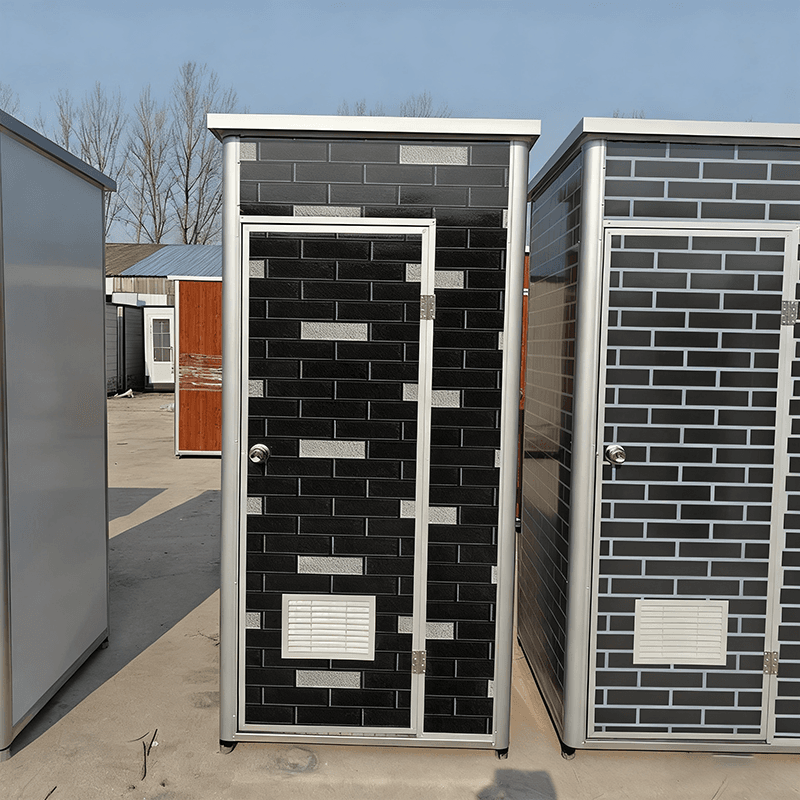
Exported overseas container houses are mainly steel-structured modular houses that can be disassembled and relocated, featuring cross-border compliance, low carbon emissions, and multiple reusability, with a significant increase in overseas market demand. The following provides an in-depth analysis from four perspectives: market trends, product characteristics, procurement considerations, and typical cases.
I. Market Trends: Export Scale Expands, Demand Concentrates on Specific Categories
In the first half of 2026, China's total export value of prefabricated buildings under HS code 9406 reached $2.79 billion, a year-on-year increase of 45%, with steel-structured modular houses being the main export. Overseas engineering camps, cultural tourism, emergency response, and other fields have shown a continuous increase in attention to the circular reusability, cross-border compliance, and low-carbon attributes of container houses. Products with multiple reusability capabilities, cross-border qualifications, and low-carbon designs account for over 60% of orders, becoming the mainstream procurement direction in the industry.
II. Product Characteristics: Modular Design, Adapting to Cross-Border Needs
Container houses are based on standardized containers as modules, with precise assembly of steel structures, walls, pipelines, and bathrooms completed in factories. After being shipped to their destinations by container, they are assembled on-site into buildings such as hotels, schools, and hospitals. Their core advantages include:
- Rapid Deployment: The assembly period is more than 60% shorter than traditional construction. For example, a British merchant's procurement of a 63-module elderly care apartment took only two weeks from shipment to hoisting completion.
- Cost Advantage: The overall cost is significantly lower than local construction overseas. For example, the average construction cost of a house of the same specification in the United States is about $165 per square foot, while the total landed cost of a Chinese container house is less than $30,000 (about 70 square meters).
- Low Carbon and Environmental Protection: Standardized factory production reduces steel waste to 3%-5% (compared to 8%-12% on traditional construction sites), and lightweight structures reduce foundation material consumption by 60%-70%.
III. Procurement Considerations: Focus on Process, Compliance, Adaptability, and Cost
- Process Performance: Prioritize products with non-welded quick assembly processes, low disassembly and assembly losses, and strong structural stability after multiple relocations.
- Compliance Services: Verify production qualifications, domestic and foreign certifications (such as EU CE certification), project delivery, and after-sales capabilities.
- Scenario Adaptability: Choose products with high customization flexibility according to different scenarios such as engineering camps and cultural tourism homestays.
- Input-Output Ratio: Evaluate the reuse cost over the entire life cycle, including operation and maintenance, and relocation expenses.
IV. Typical Case: Chinese Products Gain Overseas Recognition
A couple from Oregon, USA, purchased a 40-foot foldable container house from a factory in Hebei, China, through a cross-border e-commerce platform. The house body cost $15,800, with a total landed cost of $28,689. Three people completed the installation and moved in within one day. The video of this case has been viewed over 3 million times, confirming the competitiveness of Chinese container houses in the overseas market.



