
Export Modular Mobile Toilet
The export modular mobile toilet is a temporary sanitation facility used in outdoor events, construction sites, and other scenarios. It features modular design, strict quality control, and is gradually developing towards intelligence.
Classification and Applicable Scenarios
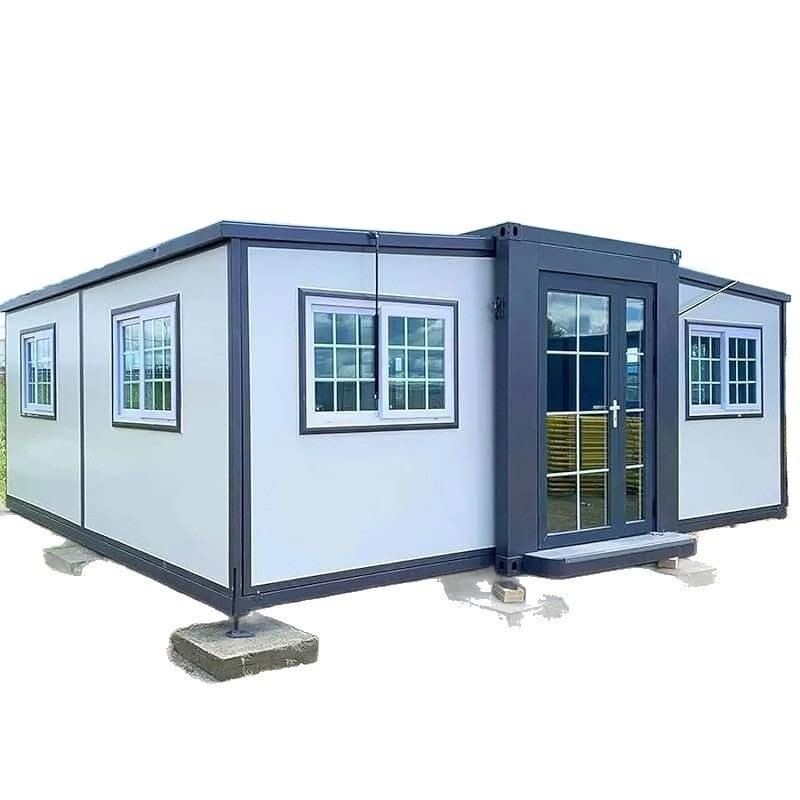
Export modular mobile toilets are mainly divided into three categories: single-unit, trailer-mounted, and container-type. The single-unit type has a compact structure, suitable for single-person use, and is commonly found at temporary gathering places. The trailer-mounted type can transport multiple toilet units at once, making it suitable for construction sites with longer project durations. The container-type can integrate functions such as sinks and urinals, making it suitable for large-scale events or campsites. This classification design meets the needs of different scenarios in terms of space, capacity, and functionality.
Materials and Processes
In terms of materials, polyethylene (PE) has become mainstream due to its lightweight, corrosion-resistant, and easy-to-clean properties. Some high-end models use fiberglass-reinforced plastic (FRP) to enhance strength. For areas with high temperatures and humidity, ultraviolet stabilizers need to be added to extend service life. In terms of production processes, rotational molding can produce seamless, one-piece shells to prevent leakage, while blow molding is more efficient and suitable for mass production of standard parts. Internal accessories include flushing systems, water storage tanks, ventilation devices, etc. Water-saving design is a technical challenge, and some manufacturers use vacuum-assisted flushing or foam sealing technology to enable use in waterless environments.
Core Features
- Modular and Stackable Design: The modular structure supports rapid assembly, and the stackable design significantly reduces transportation costs, meeting export requirements.
- Strict Quality Control: It must comply with target market regulations (such as the EU CE mark and US ANSI standards). Before leaving the factory, it undergoes tests for airtightness, load-bearing capacity, and wind resistance. The packaging uses stretch wrap, wooden frames for fixation, and desiccants to ensure safety during sea transportation.
- Application of Environmentally Friendly Materials: Recyclable PE plastics and biodegradable additives are used to reduce the carbon footprint.
- After-Sales Support: Multilingual installation manuals and troubleshooting guides are provided, and standardized part sizes facilitate local procurement.
Innovative Technologies
In recent years, solar power systems (for lighting and ventilation) and built-in smart sensors (for indicating cleaning or malfunctions) have gradually become popular, driving the industry towards intelligence. These technologies enhance user convenience, reduce maintenance costs, and meet the global market's demand for efficient and sustainable sanitation facilities.



