
Waterproofing of Export Container Houses
Waterproofing of export container houses requires comprehensive treatment from multiple aspects such as materials, processes, structures, and maintenance:
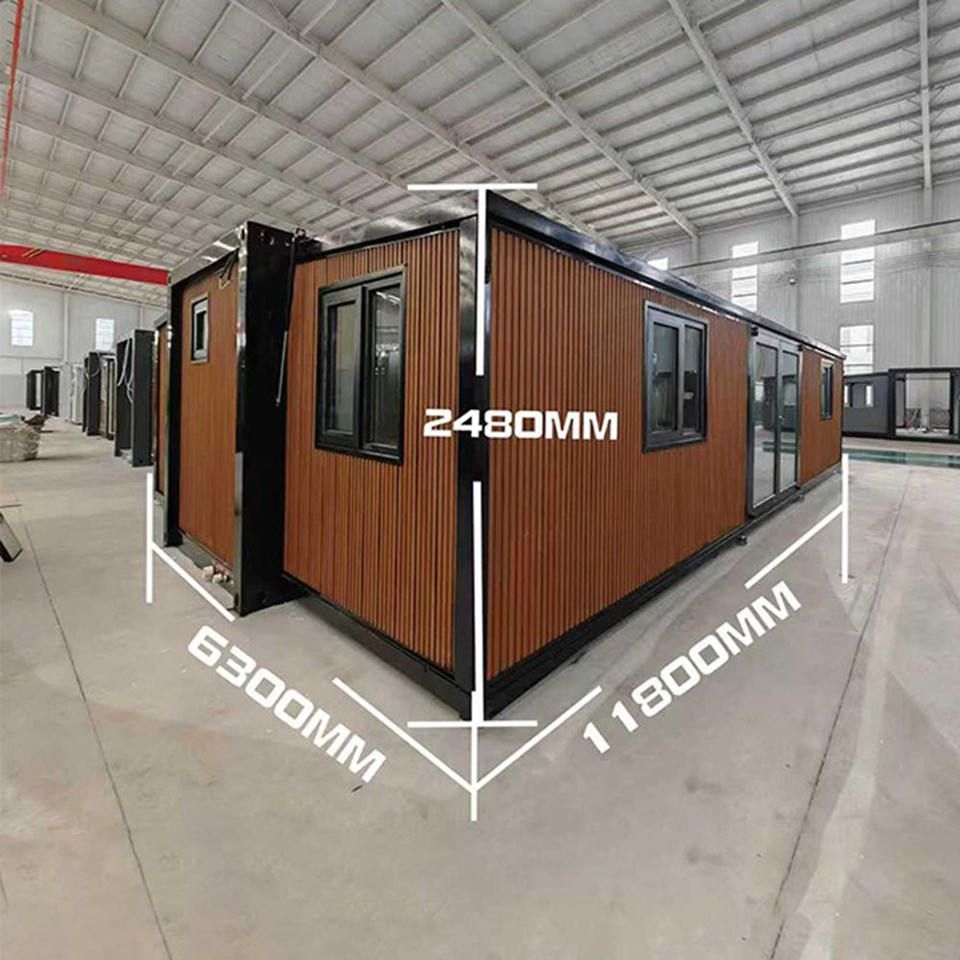
1. Waterproof Material Selection and Construction Process
For waterproofing container houses, qualified waterproof materials should be selected. For example, applying waterproof glue on the roof can extend its service life. During construction, it is necessary to ensure that the material quality meets the standards to avoid water leakage caused by material aging or improper handling. For instance, if unqualified waterproof materials are used or the waterproofing treatment is unreasonable during the construction of mobile houses, it will accelerate the aging of the houses and cause leakage. In addition, when opening holes in the panels of movable houses to install equipment such as fans and exhaust pipes, strict waterproofing treatment should be carried out around the cracks to prevent the expansion of cracks at the joints due to thermal expansion and contraction or external forces, which may damage the original waterproof layer.
2. Structural Design Optimization
The built-in drainage system is crucial. Traditional assembled containers are prone to leakage through gaps, while innovative products such as packed container houses adopt a top-bottom integral welding structure to solve the leakage problem from the root. Their built-in drainage systems guide accumulated water out through gutters, ensuring dry interiors on rainy days. At the same time, the gutter design of container houses should ensure a reasonable horizontal slope and a scientific position for the water outlet to avoid backflow of accumulated water. During construction, proper gutter corrosion protection should be carried out to prevent leakage caused by rust or blockage by debris.
3. Usage and Maintenance Specifications
During use, avoid stepping on the roof to prevent loosening of fasteners or aging of waterproof pads. Regularly inspect fasteners, waterproof pads, and other components, and promptly replace aging materials. For example, if the roof of a container house is stepped on during installation and use, causing the fasteners to loosen or the waterproof pads to age, it will lead to water leakage. In addition, after the relocation of container houses, the integrity of the waterproof layer should be re-inspected to ensure that the structural stability and waterproof performance are not affected after multiple disassemblies and assemblies.
4. Environmental Adaptability Improvement
Optimize the waterproof design according to different climatic conditions. For example, in humid areas or areas with long rainy seasons, the thickness of the waterproof layer can be increased or materials with stronger weather resistance can be selected. In the scenario of ocean shipping with large temperature differences, moisture-proof and heat-insulating cotton should be used to buffer the day-night temperature differences, reduce water vapor condensation caused by a sudden drop in the temperature on the container top, and avoid the phenomenon of "container rain".



