
Evolutionary Mobile Toilet
The evolutionary mobile toilet has achieved breakthrough innovations in functionality, design, application, and technology, becoming a practical, culturally rich, and intelligent urban infrastructure.
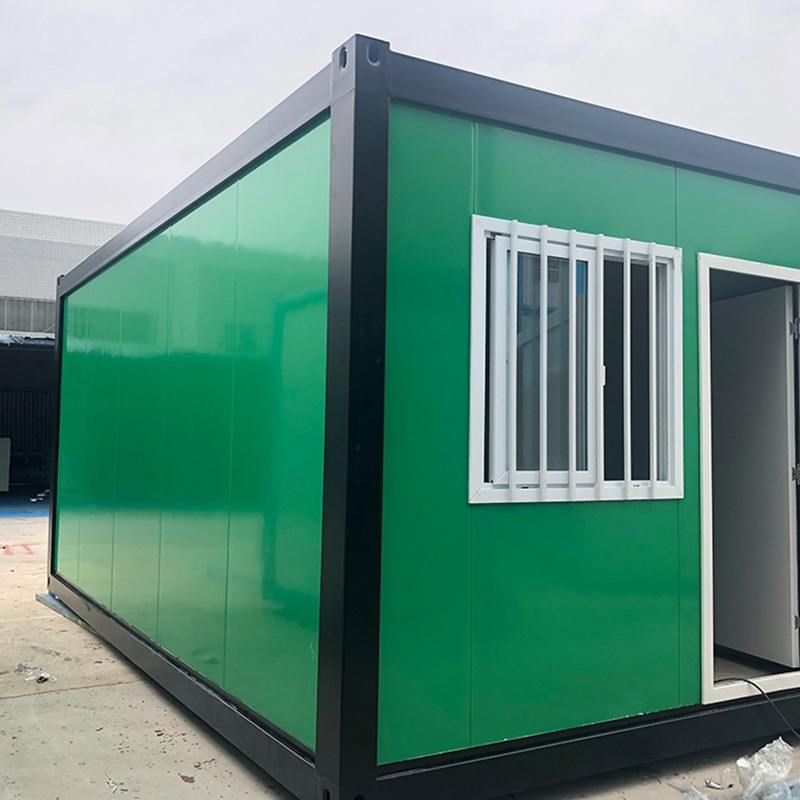
Functional Innovation: From Basic Needs to Technological Experience
Traditional mobile toilets often suffer from extreme temperatures due to enclosed environments, being cold in winter and hot in summer. The evolutionary version achieves dynamic regulation of temperature and air quality through double-layer insulated walls and a 24-hour ventilation system. Some models designed specifically for construction sites are equipped with anti-slip grating floors and emergency call buttons, reducing the risk of slipping and ensuring rapid response in emergencies. For example, the third-generation Easy Station smart public toilets in Chengdu High-tech Zone utilize 17 patented technologies, including vacuum flush toilets, electronic antibacterial foam, and odor-control temperature systems, combined with IoT remote management to achieve coordinated optimization of water conservation, antibacterial effects, and intelligent maintenance.
Design Evolution: From a Single Form to a Cultural Symbol
The appearance of mobile toilets has broken away from traditional box-like structures, becoming windows for displaying urban culture. The public toilet in the square of the Inner Mongolia Museum incorporates the design element of “grassland cloud patterns”, blending regional characteristics to become a popular spot for visitors. Among orders from scenic spots, 70% request customized appearances, such as yurts or Yinshan rock art patterns, making them both functional and artistic. This design transformation has turned mobile toilets from “hidden facilities” into “breathing cultural carriers,” enhancing urban image and visitor experience.
Diverse Applications: From Single Scenarios to Full Coverage
Modular design enables mobile toilets to meet the needs of various scenarios. Construction sites use 304 stainless steel boxes to resist chemical corrosion and reduce long-term maintenance costs. Tourist attractions achieve “one toilet for multiple purposes” through customized appearances and space expansion, such as adding baby care rooms, rest areas, and retail spaces. Additionally, in temporary events and disaster relief scenarios, rapidly deployable mobile toilets effectively alleviate the shortage of public sanitation facilities.
Technological Breakthroughs: From Dependence on Sewer Networks to Self-Contained Circulation
Self-contained treatment systems, such as microbial degradation and vacuum collection technology, free mobile toilets from reliance on external sewer networks, reducing environmental burdens through water recycling. The application of new composite materials reduces structural weight and inhibits bacterial growth, while nano-coatings enhance surface self-cleaning capabilities, reducing cleaning frequency. The integration of sensor networks and IoT technology enables usage frequency statistics, supply monitoring, and air quality detection, driving the transition of sanitation management from manual inspections to data-driven approaches.
These innovations not only enhance the practicality and comfort of mobile toilets but also make them comprehensive carriers for expressing urban culture, practicing environmental protection concepts, and implementing intelligent management, providing a new paradigm for the sustainable development of public facilities.



