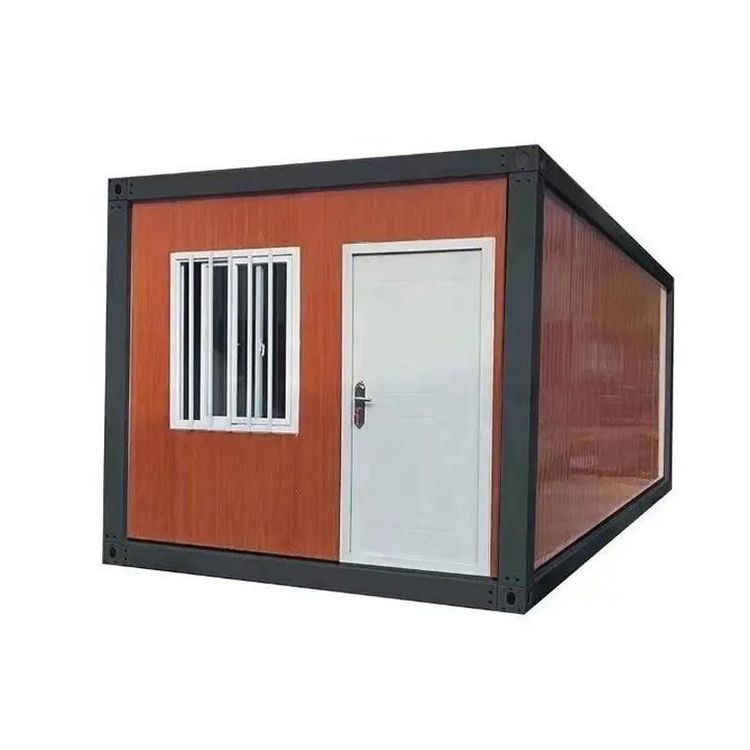
European-style Container Mobile House
The European-style container mobile house is an independent living or office unit with a European-style design, transformed from a standard container as its carrier. The following is an introduction from four aspects: design features, structural advantages, application scenarios, and selection points.

Design Features The European-style container mobile house incorporates European architectural elements such as arched doors and windows, pitched roofs, and decorative lines on the basis of the traditional container structure, presenting an appearance that combines industrial and European elegance. The interior space achieves flexible zoning through modular design and can be equipped with European-style furniture, sanitary facilities, and intelligent systems to meet high-end living or office needs. Some products adopt a double-layer structure or an extended cabin design, increasing the usable area by 30%-50% compared to standard containers and enhancing spatial comfort.
Structural Advantages Using a standard container as the base, it inherits the characteristics of a sturdy structure and strong wind and earthquake resistance. The core frame mostly adopts a full-steel structure welding process, complying with the GB50011-2010 Code for Seismic Design of Buildings. In a strong wind environment of Level 12, the frame deformation can be controlled within 2-6mm (far below the national standard limit of 10mm). Some leading enterprise products have passed international certifications such as CE and ISO, meeting the compliance requirements of export projects. The transportation convenience is remarkable. A single container can be used independently or multiple containers can be spliced together. The transportation volume of foldable products can be compressed to 1/5 of the expanded state, increasing the single transportation volume by more than 60%.
Application Scenarios It is widely used in scenarios that require rapid deployment and have style requirements:
- High-end Temporary Living: Such as private estates, holiday villas, and scenic area homestays;
- Creative Office Spaces: Such as temporary corporate headquarters, design studios, and pop-up stores;
- Commercial Supporting Facilities: Such as European-style shops, cafes, and exhibition halls;
- Government and Enterprise Temporary Construction Projects: Such as emergency command centers and medical rescue stations (which need to comply with fire protection standards of Class B1 or above).
Selection Points
- Structural Stability: Give priority to products with a full-steel structure frame and avoid non-standard products made of thin steel plates or inferior steel (with a wind resistance rating of only Level 6-7);
- Fire Protection Performance: Confirm that the product has passed fire protection tests and meets standards of Class B1 or above to prevent the spread of fire;
- Environmental Protection and Reusability: Choose products with a reusability rate of more than 80% to reduce construction waste;
- Compliance: For government and enterprise projects, confirm that the product has wind and earthquake resistance certifications. For export projects, it needs to have international certifications such as CE and ISO;
- After-sales Service: Require the manufacturer to establish a national service network with a response time of no more than 24 hours.