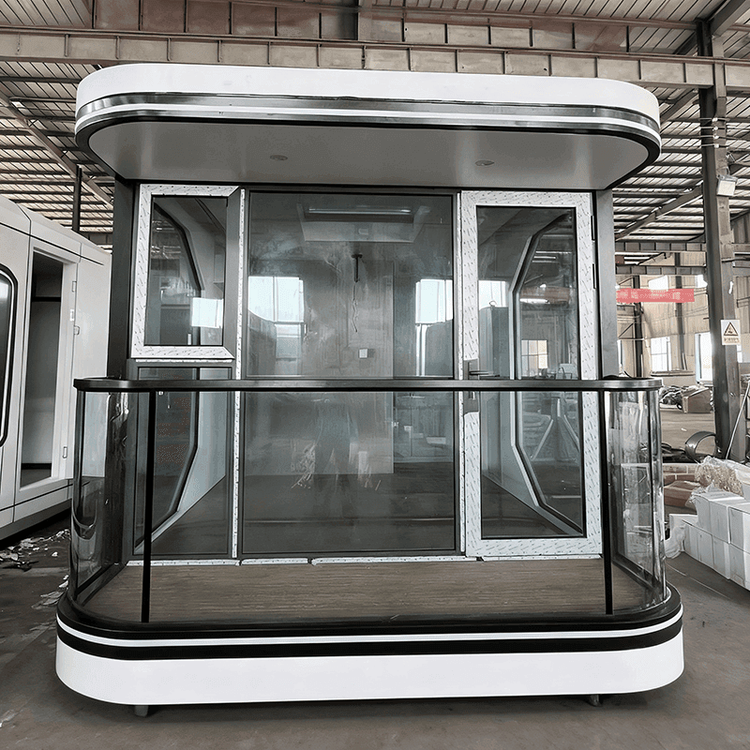
EPS Board Prefabricated House
EPS board prefabricated houses are a form of housing constructed by assembling factory-prefabricated modules on-site, using EPS boards as the core material combined with structural layers such as concrete, offering advantages in efficient construction and energy-saving performance.
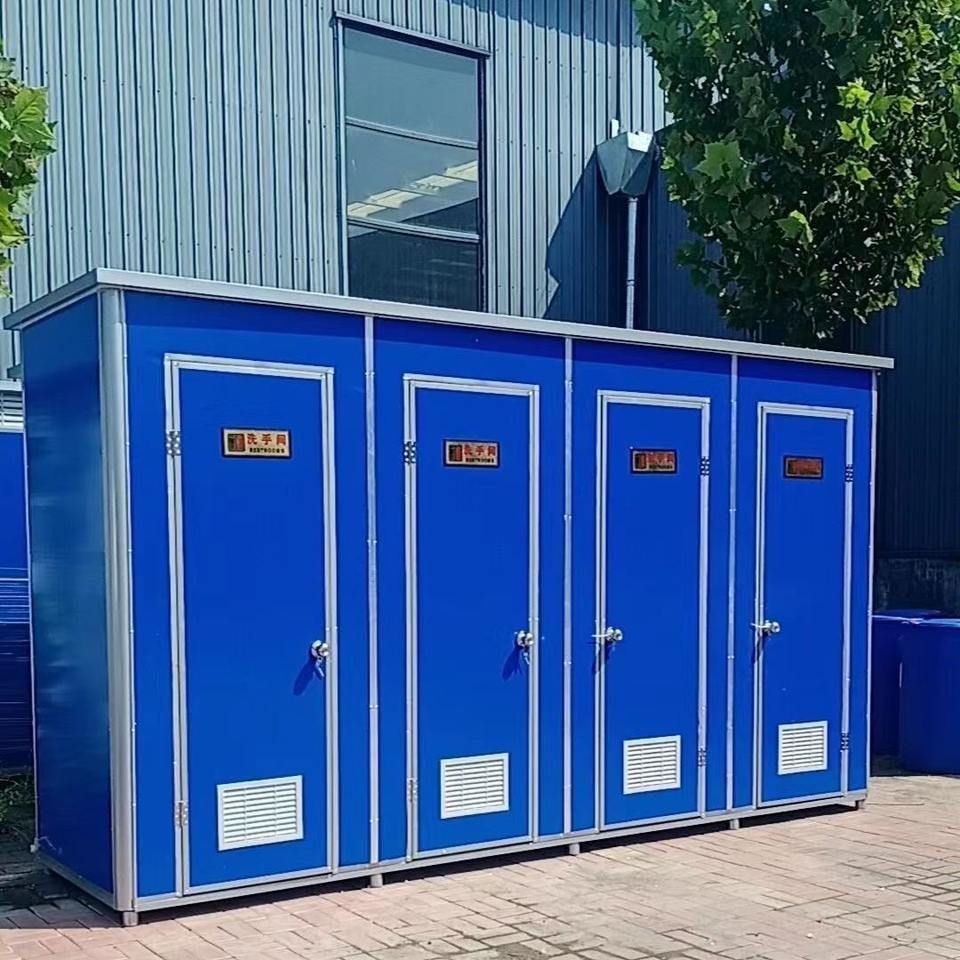
Material Characteristics and Structural Forms EPS boards are made from expandable polystyrene beads as raw materials, heated and molded into closed-cell structural panels. They possess characteristics such as lightweight, thermal insulation, waterproofing, and flame retardancy. Their composite forms include:
- Modular Assembly: EPS modules serve as wall formwork, with steel bars embedded inside and concrete poured to form an integral structure. For example, the pilot project for prefabricated rural houses in Pingshan County, Shijiazhuang City, adopts this method. Modules are inserted into steel bars in sequence and then concrete is poured, resulting in sturdy and robust walls.
- Sandwich Panel Form: By combining panels (such as cement or metal) with EPS cores, structural and thermal insulation integration is achieved. For instance, the thermal insulation sandwich wall panels of lightweight EPS cement prefabricated houses are composed of EPS, cement, sand, and admixtures, offering fire resistance, waterproofing, and easy installation features.
Performance Advantages
- Thermal Insulation: The high-density foam layer of EPS modules, combined with concrete, forms an efficient thermal insulation layer. In northern regions during winter, heating costs can be reduced by 50%, with significant heat insulation effects in summer.
- Construction Efficiency: Factory-prefabricated modules are assembled on-site, with the main structure of a 120-square-meter house requiring only 5-6 days, reducing the construction period by over 60% compared to traditional brick-and-mortar structures.
- Seismic Performance: The integral steel-concrete monolithic structure offers strong overall seismic performance, superior to that of brick-and-mortar structures.
- Fire and Water Resistance: EPS cement composite panels have a fire resistance rating of 4 hours and are waterproof, suitable for scenarios such as villas and warehouses.
Application Scenarios and Costs
- Application Scenarios: Widely used in rural self-built houses (especially in cold winter regions), prefabricated rural houses (such as the Shijiazhuang pilot project), interior and exterior walls and roofs of villas, and temporary buildings (mobile houses, warehouses).
- Specifications and Costs: Thickness ranges from 60-200 millimeters, with common specifications of 75mm, 100mm, and 120mm. Prices are calculated per square meter, with a unit price of approximately 66.09 yuan for 100-4,999 square meters, and a reduced unit price of 65.43 yuan for ≥5,000 square meters.
Summary: EPS board prefabricated houses, through modular design and industrial production, balance the demands for efficient construction and energy conservation, serving as an alternative to traditional housing construction methods, especially suitable for scenarios with high requirements for construction period, thermal insulation, and seismic performance.