
Mobile Toilets During the Epidemic Period
During the epidemic period, mobile toilets have effectively enhanced disinfection and epidemic prevention levels through various innovative designs and technological applications, meeting the needs of the frontline of the fight against the epidemic. This is specifically reflected in the following aspects:
I. Self-cleaning Function of 'Unmanned Toilets'
The 'unmanned toilet' displayed by Hangzhou Zhide Pusi Technology Co., Ltd. achieves full-process automated cleaning. Within 6-10 minutes after a user leaves, the toilet bowl is 'hidden' into a rear chamber through a rotating mechanism, completing three processes of cleaning, disinfection, and drying, while a spare toilet bowl is rotated out for use. The floor employs an integrated cleaning push plate that covers the ground for high-pressure flushing and disinfectant spraying, and the top disinfection machine releases ozone for 360° disinfection of the space without dead ends. This design avoids the risk of cross-infection from manual cleaning, and a single cleaning cycle takes only 10 minutes, with an efficiency more than three times that of traditional public toilets.
II. Negative Pressure Design and Vacuum Flushing Technology
The mobile toilets of Lianjia Jisheng (Suzhou) Environmental Technology Co., Ltd. adopt a negative pressure ventilation system that sucks low-level air into a top sterilization module through air inlets. This module uses positive oxygen ions to destroy bacterial cell membranes and combines with odor molecules to generate odorless compounds, while negative oxygen ions further purify the air. The treated gas is purified through a high-efficiency filter before being discharged, ensuring that the indoor air pressure is always 20-30 Pa lower than the outside, forming a one-way airflow barrier. Its vacuum flushing system sucks waste through negative pressure, using only 0.2 L of water per flush, and operates in a fully enclosed manner, eliminating the risk of aerosol transmission from traditional flushing.
III. Biological Antibacterial and Water-saving Technology
The mobile toilets of Jiangsu Feimu Biotechnology Co., Ltd. introduce an active agent foaming technology that generates a white foam layer up to 5 cm thick in the toilet bowl. The surfactants in the foam can destroy bacterial cell walls, achieving a 'physical suffocation' effect with an antibacterial rate of 99.2%. At the same time, the foam layer forms a sealed barrier, reducing sewage splashing and odor diffusion. Combined with the vacuum flushing system, the water consumption per flush is reduced by 80% compared to traditional toilets, making it particularly suitable for epidemic prevention scenarios in water-scarce areas.
IV. Emergency Support and Flexible Deployment Capabilities
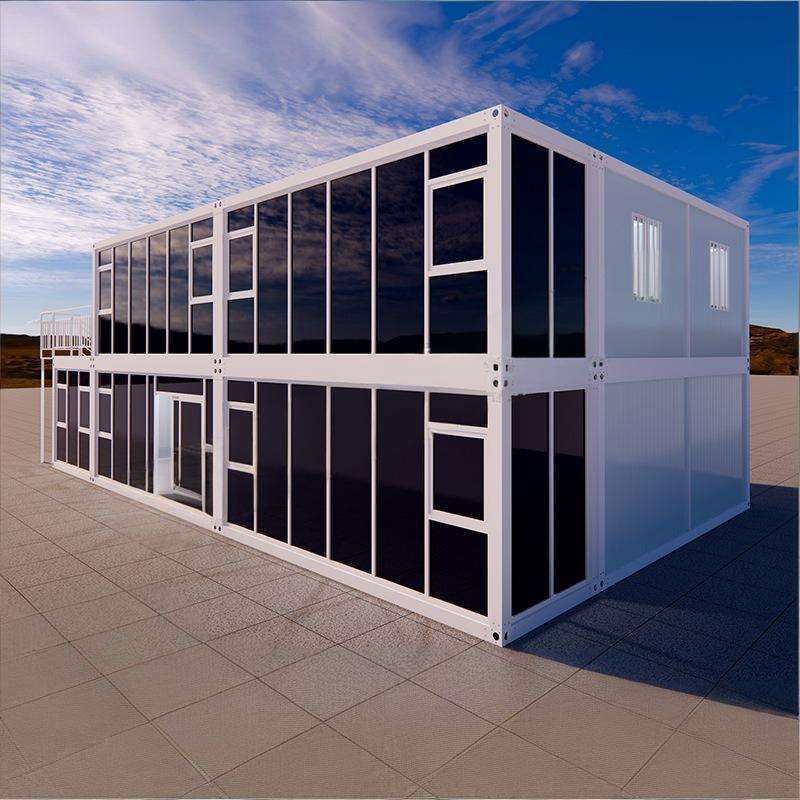
Shanghai Pudong Sanxing Environmental Sanitation Co., Ltd. provided emergency mobile public toilets for isolation wards during the epidemic period, achieving rapid installation in 2 hours through modular design, with a single toilet stall serving 200 people per day on average. The epidemic prevention-specific mobile toilets launched in Jingmen are equipped with an independent disinfection system, including ultraviolet sterilization lamps (wavelength 254 nm, irradiation intensity ≥ 90 μW/cm²) and automatic spraying devices (containing 0.5% peracetic acid disinfectant), combined with sealed drainage pipes and wet-dry zoning design, reducing the risk of cross-infection to 1/5 of that of traditional public toilets. Their movable nature enables them to quickly respond to the needs of temporary scenarios such as nucleic acid testing sites and transportation hubs, with daily costs 40% lower than those of fixed public toilets.



