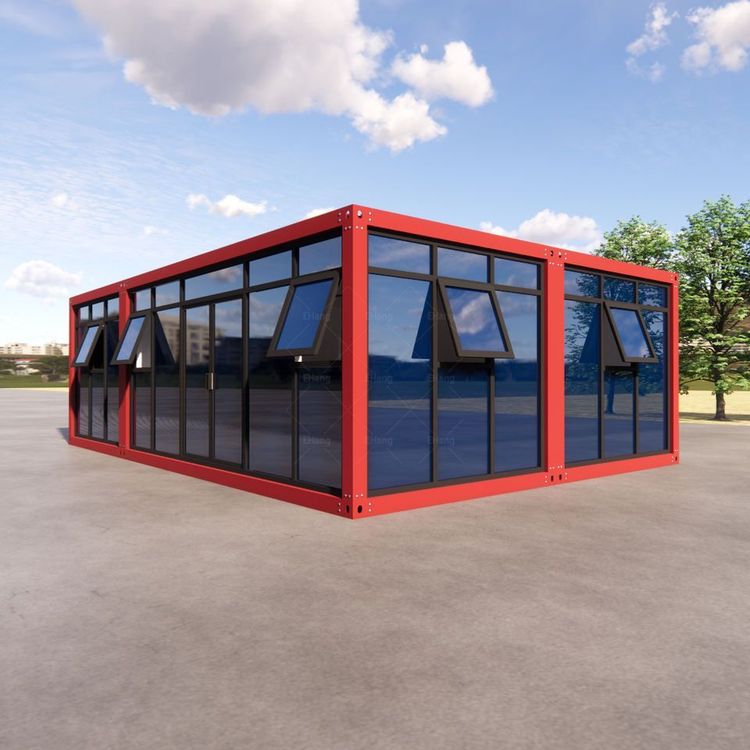
Safety Hazards of Mobile Toilets During the Epidemic
The safety hazards of mobile toilets during the epidemic are mainly reflected in aspects such as hygiene and epidemic prevention, facility safety, service adaptability, and the implementation of management standards:
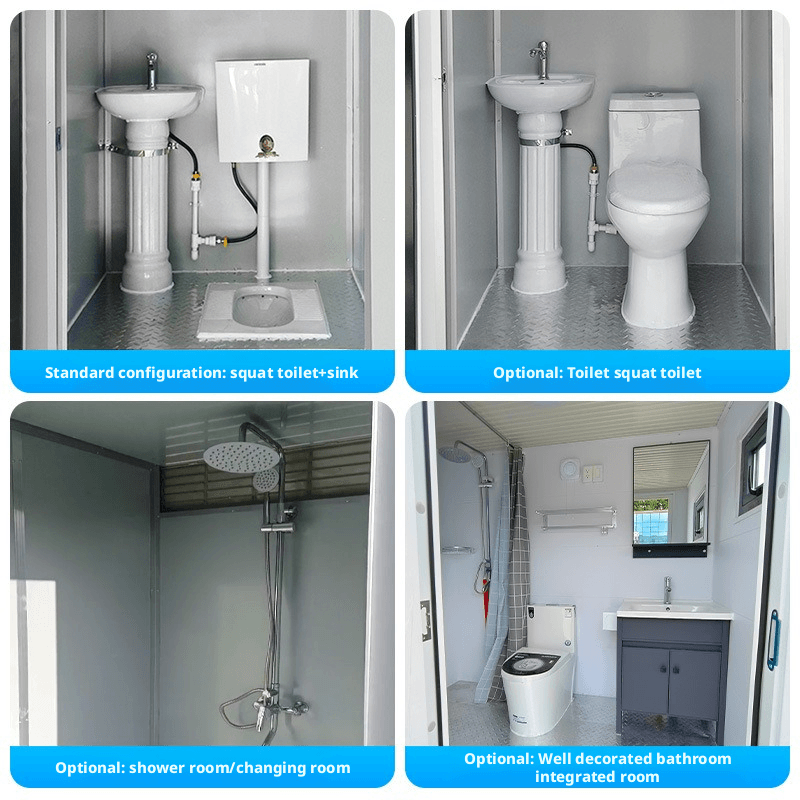
I. Hygiene and Epidemic Prevention Hazards Mobile toilets, due to their enclosed spaces and poor ventilation, are prone to becoming hotbeds for pathogen transmission. Insufficient disinfection frequency leads to the breeding of bacteria and mosquitoes in corners and sewers, and sewage leakage may spread intestinal diseases. High-frequency contact surfaces (such as door handles and flush buttons) are prone to harboring Escherichia coli, norovirus, hepatitis A virus, etc. The residual Staphylococcus aureus and human papillomavirus on the edges of toilet seats may cause urinary tract infections or condyloma acuminatum. Non-standard disinfection can also exacerbate the cross-infection of sexually transmitted pathogens such as Treponema pallidum and pubic lice. In addition, public toilets (including mobile toilets) pose a risk of transmitting the novel coronavirus through respiratory droplets and contact, especially when ventilation is poor, which is more likely to result in aerosol transmission.
II. Facility Safety Hazards Some mobile toilets, due to their long service life, have rusted steel structures, loose and falling toilet stall door panels, and collapsed蹲位 (squatting position) cover plates, which can easily cause users to bump or get squeezed. Poor-quality products have poor durability and may collapse or break. Moreover, they lack safety facilities such as handrails and alarm devices, making it impossible to effectively prevent slips or respond to sudden accidents. The volatilization of cleaning agents in enclosed spaces may trigger asthma. Poor-quality anti-slip mats pose tripping hazards, and the lack of emergency call devices can delay rescue efforts.
III. Service Adaptability Hazards The lack of barrier-free facilities (such as barrier-free handrails and low-positioned hand-washing tables) for special groups makes it difficult for the elderly and disabled people to use them normally. Malfunctioning toilet stall door locks that cannot be opened from the outside can easily trap people. The narrow space results in insufficient privacy protection, and users may be spied on. Contact with cleaners during cleaning can also cause psychological distress.
IV. Management Oversights and Inadequate Standard Implementation Local management and operation and maintenance entities generally have the phenomenon of 'emphasizing deployment and neglecting maintenance'. The frequency and standards of daily inspections are not implemented, and hazard investigations only remain on the surface. The implementation of safety standards is inadequate, such as using flammable materials during construction and not equipping with fire-fighting equipment, or shortcomings in hygiene and fire safety supervision, which further exacerbate safety risks.