
Mobile Toilets at Epidemic Isolation Points
Mobile toilets at epidemic isolation points play a crucial role in ensuring hygiene, preventing virus transmission, and meeting temporary needs.
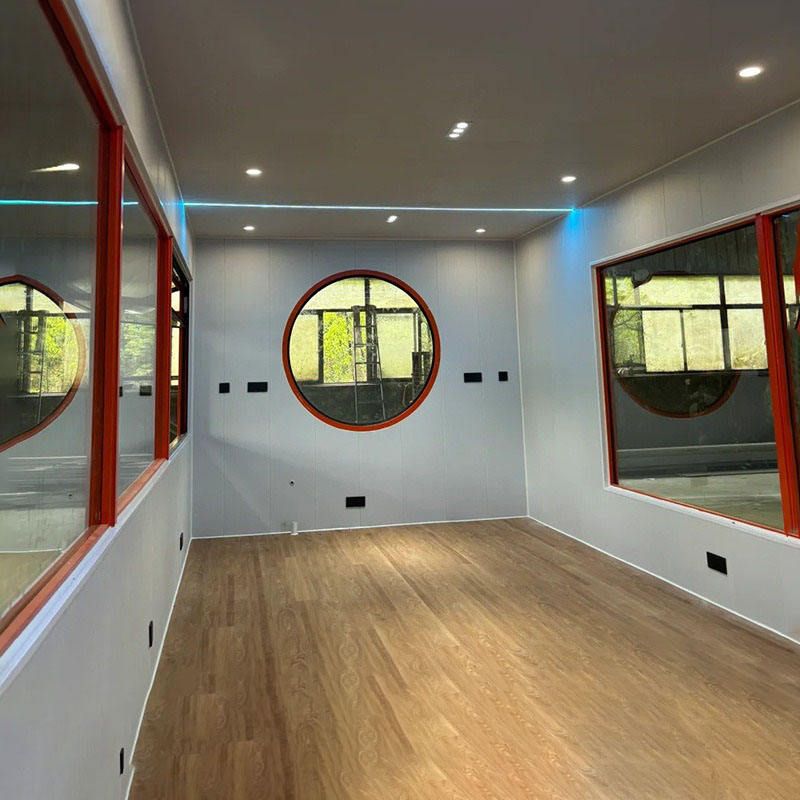
Ensuring Hygiene Needs: At epidemic isolation points, where there is a high density and turnover of people, the demand for sanitation facilities surges. For instance, Shanghai Pudong Sanxing Environmental Sanitation Co., Ltd. was responsible for providing emergency mobile toilets for all isolation shelters and transfer points in the Pudong New Area during the epidemic. It completed nearly 3,000 comprehensive support tasks and transported and installed over 500 mobile toilet units. Outside the first makeshift hospital in Jiangxia District, Wuhan, the Jiangxia Urban Management and Law Enforcement Bureau installed 80 mobile toilets for medical staff and patients. These mobile toilets provided essential sanitation facilities for individuals at the isolation points, meeting basic physiological needs and preventing a series of issues caused by inadequate sanitation facilities.
Preventing Virus Transmission: Mobile toilets play a significant role in preventing virus transmission during epidemic control. Shanghai Pudong Sanxing Environmental Sanitation Co., Ltd. conducted daily disinfection and fecal removal operations at all locations, removing over 1,600 tons of feces in total, effectively preventing virus transmission through feces. In Jiangxia District, Wuhan, Li Zhengfu led a team responsible for flushing, fecal removal, and disinfection of 80 mobile toilets. They improved the fecal removal method to ensure no leakage, developed a set of disinfection procedures that met environmental standards on the first attempt, and effectively prevented the spread of the virus through fecal matter. In Jingmen, special epidemic prevention mobile toilets were introduced, equipped with independent disinfection systems using ultraviolet germicidal lamps and automatic spraying devices for automatic disinfection after each use. Some models were fitted with sealed drainage pipes to prevent sewage backflow and reduce cross-infection risks. The internal space was designed with separate zones, physically isolating the toilet area from the handwashing area to lower the probability of virus transmission.
Meeting Temporary Needs: The mobility of mobile toilets enables them to quickly respond to various temporary scenarios. Against the backdrop of normalized epidemic prevention and control, multiple communities and isolation points in Jingmen addressed temporary sanitation facility shortages by renting mobile toilets, demonstrating the flexibility and practicality of mobile toilets in responding to public health emergencies.



