Epidemic Isolation Mobile Toilet Design
The design of epidemic isolation mobile toilets focuses on modularity, sanitation, flexible deployment, and environmental performance, while also considering structural strength and safety. It is suitable for temporary isolation points, large-scale events, and other scenarios.

1. Modularity and Structural Strength
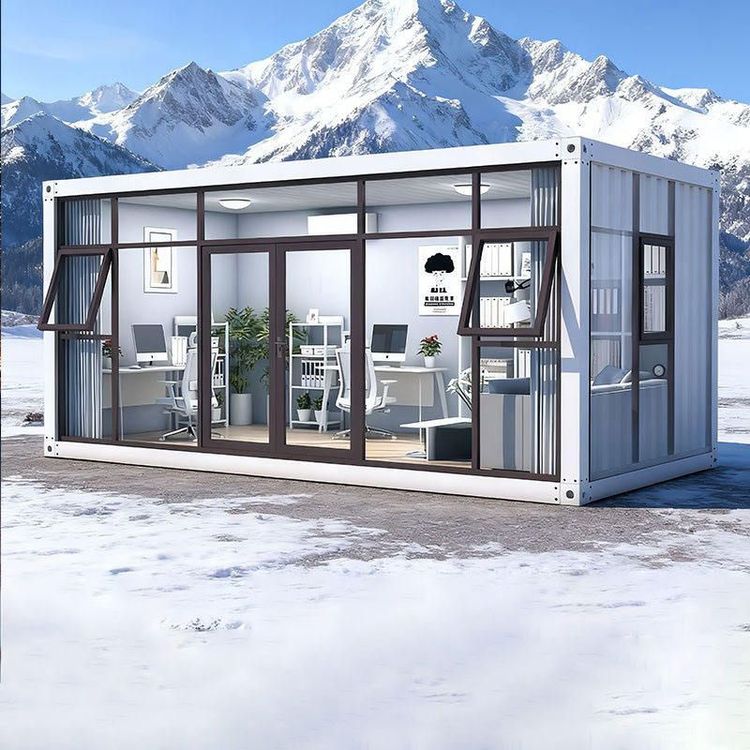
Epidemic isolation mobile toilets use color-coated steel plates as the main frame, achieving a balance between lightweight design and structural strength through a 55mm plate thickness. Each unit weighs approximately 50kg, facilitating easy transportation and resistance to wind pressure. For example, the temporary toilets at the Sanming isolation point adopt a modular design, with the main structure built from waterproof fabric or lightweight panels, paired with a simple frame. The interior space is compact and can be quickly assembled in the isolation area. Modular design also supports adding or removing units as needed to accommodate different scales.
2. Sanitation and Functional Configuration
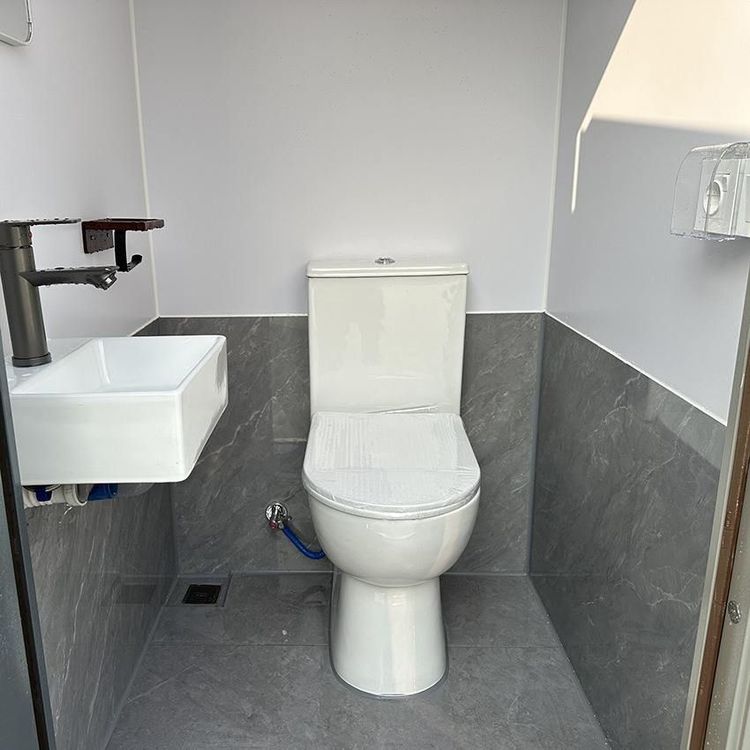
The toilets are equipped with an independent sewage system, forming a closed sanitation unit to prevent cross-contamination. Some models integrate septic tanks or biodegradation devices for harmless treatment of feces. For instance, the single-unit, single-stall model of Dazhou epidemic isolation mobile toilets includes a sink, suitable for temporary isolation points; emergency mobile toilets connect the toilet base's sewage pipe to a fecal storage tank, supporting centralized disinfection of excreta. Additionally, some high-end models are installed with automatic spray disinfection devices to further reduce infection risks.
3. Flexible Deployment and Scenario Adaptation
The design supports adjusting volume and specifications as needed, quickly adapting to different scenarios by adding or removing units. For example, Dazhou's multi-stall combination models (6m×6m/6m×9m) can add barrier-free stalls and母婴室 (nursing rooms), suitable for A-grade scenic spots or large-scale events; the simple temporary toilets in Sanming are rapidly built in isolation areas through modular design to meet urgent needs.
4. Environmental Protection and Sustainability
Water-saving flushing systems or waterless packaging technology are adopted, reducing daily water consumption by over 60% compared to traditional toilets. Some high-end models are equipped with solar power systems and air purification devices, achieving energy self-sufficiency and odor control. For example, emergency mobile toilets are molded in one piece, with smooth, easy-to-clean walls that meet sanitation requirements.
5. Safety and Management Design
Ventilation windows and signage are installed externally, while the interior floors are slip-resistant, and the walls use waterproof, easy-to-clean materials. Some models are equipped with exhaust fans to reduce odor buildup. For example, the temporary toilets at the Sanming isolation point are equipped with disinfection facilities and staffed with personnel for regular inspections, cleaning, and disinfection to ensure safe use.