
Environmental Toilet, Mobile Toilet, and Waste
Environmental and mobile toilets effectively reduce waste generation and treatment burdens through specific designs.
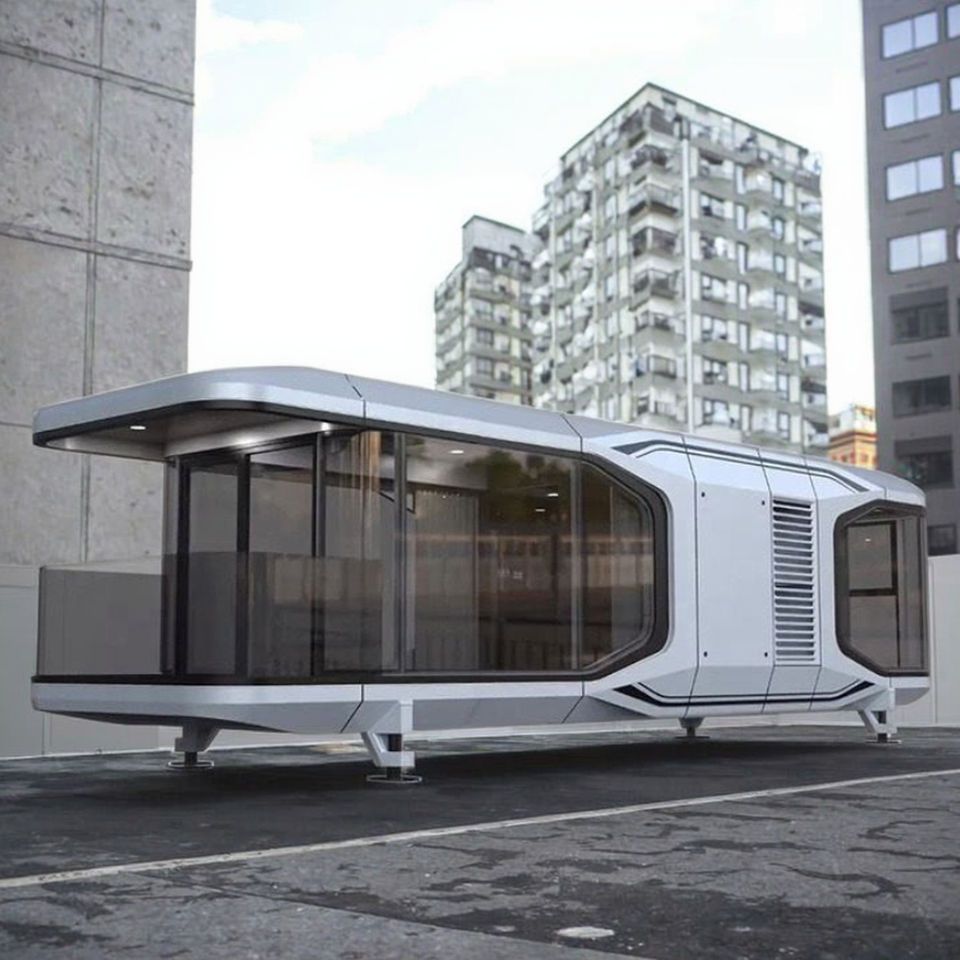
1. Waste Treatment Mechanism of Temporary Environmental Public Toilets
Temporary environmental public toilets employ a closed-loop material flow control technology to process solid residues from excreta through biological drying or composting. This process utilizes microbial decomposition to convert organic matter into stable, odorless soil amendment substrates. Unlike traditional toilets that rely on fecal suction trucks for excreta transportation, this technology avoids potential leakage pollution during transportation and reduces the organic load on landfills. For example, the composted products can be directly used for landscaping or agriculture, forming a closed loop of resource recycling and significantly reducing the pressure of waste on the environment.
2. Waste Reduction Principle of Waterless Ecological Toilets
Waterless ecological toilets achieve biochemical treatment of solid excreta through composite microbial technology. The core mechanism involves decomposing solid substances into gases such as carbon dioxide and water vapor, achieving 'zero solid discharge.' Urine is decomposed by microorganisms to meet the standards for reclaimed water, which is then recycled for toilet flushing or landscaping irrigation. This design completely eliminates the reliance on flushing systems in traditional toilets, reducing sewage generation at the source. According to research, waterless ecological toilets can reduce total waste by more than 90%, and the treatment process does not require chemical agents, avoiding the risk of secondary pollution.
3. Environmental Advantages of Mobile Toilets
As a typical application scenario of environmental toilets, mobile toilets achieve rapid deployment and efficient resource utilization through modular design. Their closed treatment systems can centrally collect excreta and, combined with biodegradation or vacuum suction technologies, reduce odor diffusion and pathogen transmission. Some high-end models are also equipped with solar power and rainwater collection systems to further reduce energy consumption. Compared to traditional temporary toilets, mobile toilets improve waste treatment efficiency by more than 50%, and the volume of treated residues is only 10%-20% of the original excreta, significantly reducing the transportation burden.
These technologies achieve the minimization of waste generation and the harmlessness of the treatment process through microbial decomposition, resource recycling, and closed treatment methods, providing sustainable solutions for urban public health and environmental protection.



