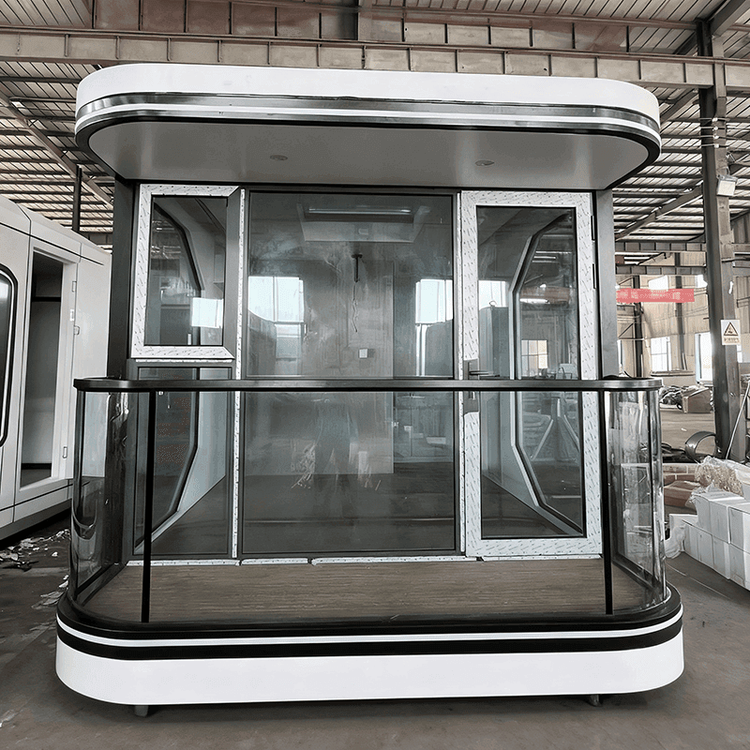
Environmental Protection Smart Mobile Toilet
The environmental protection smart mobile toilet is a movable, modular public sanitation facility that integrates environmental protection technologies and intelligent systems, meeting diverse scenario demands through water conservation, resource recycling, and intelligent management.

Core Technology Solutions and Water-Saving Design
The environmental protection smart mobile toilet employs various environmental protection technologies to achieve efficient resource utilization. The waterless flushing type treats excreta through physical or chemical methods without water, suitable for water-scarce areas; the foam-sealing type uses foaming agents to cover the excreta surface, blocking odors and reducing flushing water volume; the water-flushing type reduces water consumption by optimizing pipeline design or using recycled water systems. Some products incorporate microbial degradation technology, breaking down excreta into harmless substances through specific microbial communities, achieving “zero emissions.” For example, the towed mobile toilet equipped with a microbial degradation system can move with the scenario and continuously process waste, reducing reliance on traditional sewage systems.
Intelligent Functions and Remote Management
Some high-end products are equipped with intelligent systems to enhance user convenience and management efficiency. The bottom-layer PLC data acquisition system monitors toilet stall status, water consumption, equipment operation, and other data in real-time; the 40-inch LED toilet stall monitor dynamically displays toilet stall occupancy, guiding user flow; the 4G remote monitoring module allows managers to remotely control lighting and flushing systems via mobile apps or computer terminals and receive fault warnings. For example, the epidemic prevention smart toilet used during the Winter Olympics employs wave-sensing technology for “contactless” door opening, seat pad replacement, and flushing, reducing cross-infection risks; some products also feature smart mirrors displaying weather and news information, enhancing user experience.
Application Scenarios and Modular Design
The product line covers various niche scenarios to meet different needs. Construction site temporary toilets use durable materials to withstand harsh environments; scenic area garden toilets focus on blending with natural landscapes, with some designed in bionic shapes; vehicle-mounted toilets are integrated into vehicle chassis for mobility with convoys, suitable for large events or emergency rescue. Modular design supports rapid assembly and disassembly; for example, compact smart toilets are fully assembled in factories and can be directly put into use upon arrival at the site, shortening construction cycles. Additionally, the towed design allows toilets to be flexibly deployed via vehicle traction, further expanding usage scope.
Environmental Benefits and Social Value
The environmental protection smart mobile toilet reduces environmental pollution through resource recycling while decreasing land and water resource consumption associated with traditional toilet construction. Its mobility enables rapid response to temporary needs, such as disaster relief and large-scale events, enhancing public sanitation service flexibility. The introduction of intelligent systems optimizes management through data-driven approaches, such as adjusting cleaning cycles based on usage frequency, reducing operational costs.