
Environmental Protection Public Mobile Toilet Design
The design of environmental protection public mobile toilets requires comprehensive consideration of factors such as size, materials, configuration, and technical routes to achieve functions of convenient mobility, environmental durability, and efficient service.
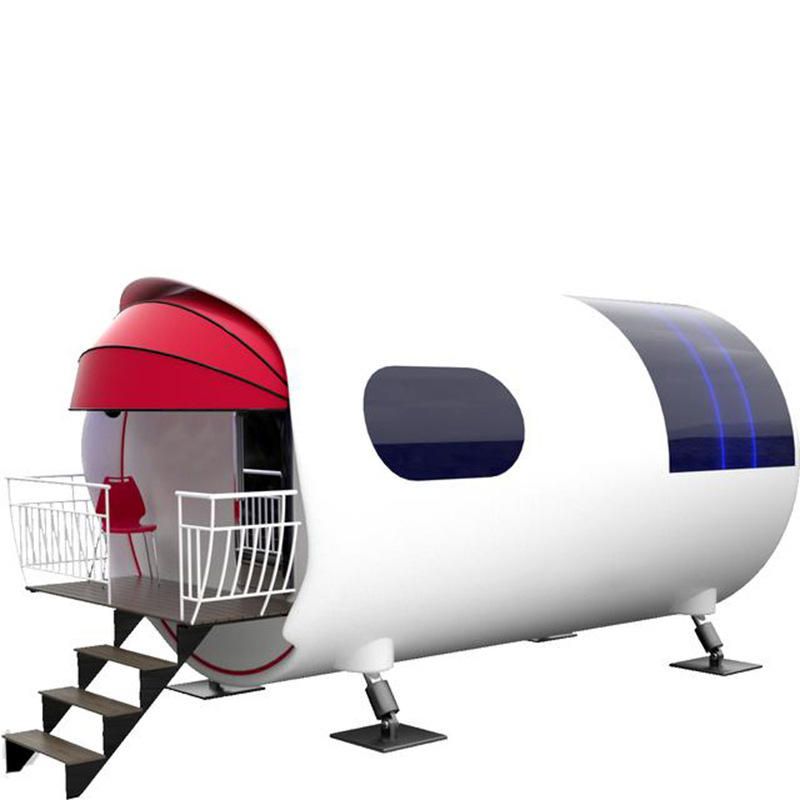
Size Specifications: The size of mobile toilets should be customized according to the usage scenario. For example, the commonly used mobile smart environmental protection public toilets in urban parks and scenic spots have a width of 1.15 meters and a height of 2.45 meters, meeting both ergonomic needs and facilitating transportation and installation. During the design process, it is necessary to control the height and width to ensure a lightweight yet sturdy structure while adapting to the spatial constraints of different venues.
Materials and Structure: The frame is welded using national standard steel, with surfaces covered with anti-corrosion and fire-resistant materials such as color-coated steel plates and carved panels, ensuring a service life of over 20 years. The bottom is typically welded using channel steel or I-beams, with square steel used for columns. Wall materials can be selected from color-coated steel plates, fiberglass, stainless steel, or metal carved panels. The frame structure supports lifting requirements, ensuring mobility convenience. Material selection should balance lightness and durability; for example, color-coated steel plates offer both anti-corrosion and easy-cleaning properties, suitable for outdoor environments.
Internal Configuration: Core functions include an independent urinal partition treatment system, with urine channels utilizing gravity flow and fecal channels cleaned by piston-type scraper mechanical devices. The toilets are equipped with anti-slip floors, automatic flushing toilet bowls, and ventilation and lighting systems. Some high-end models integrate fresh air systems, intelligent lighting, disinfection devices, and sensor-based flushing technology to enhance the user experience. Water circulation technology collects hand-washing water and adds special agents to achieve a flushing effect with only 0.46 liters of water per person, significantly saving water resources.
Technical Routes: Since 2012, mobile toilet technology has gradually developed three routes: waterless flushing, foam sealing, and water flushing. Waterless flushing is suitable for water-scarce areas, treating excreta through microbial degradation or packaging technology; foam sealing uses foaming agents to cover excreta, reducing odors and water usage; water flushing achieves efficient cleaning through a circulating water system, suitable for scenarios with high hygiene requirements.
Product Forms: Extended to trailer-type, box-type substation cabinet-type, stainless steel sentry box-type, etc., meeting different scenario needs. For example, trailer-type toilets facilitate rapid deployment, box-type substation cabinet-type toilets can integrate electrical equipment, and stainless steel sentry box-type toilets are suitable for high-end scenic spots.
Design Principles: Adhere to principles of convenient mobility, economic durability, environmental ecology, and humanitarianism. The structure should be lightweight to reduce transportation costs, materials should be sturdy to ensure long-term use, and dimensions should be controlled to adapt to narrow spaces. Mobile devices should be complete and reasonable, such as being equipped with detachable wheel sets or lifting interfaces for rapid transfer.



