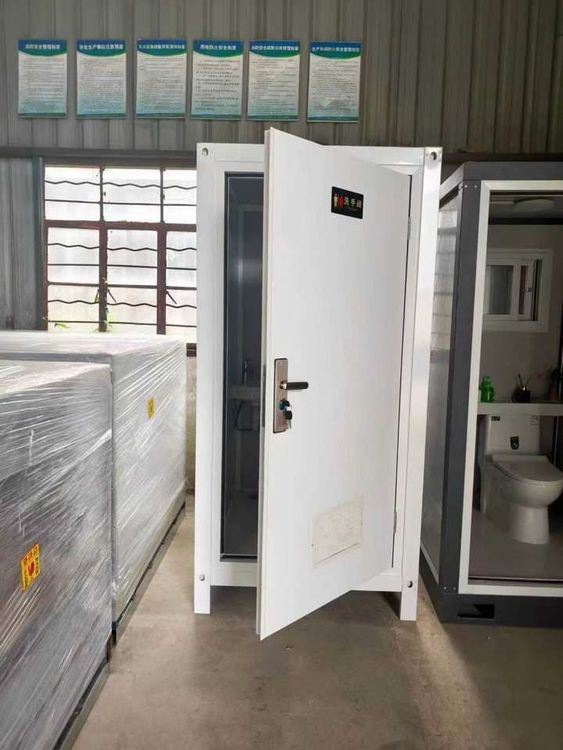
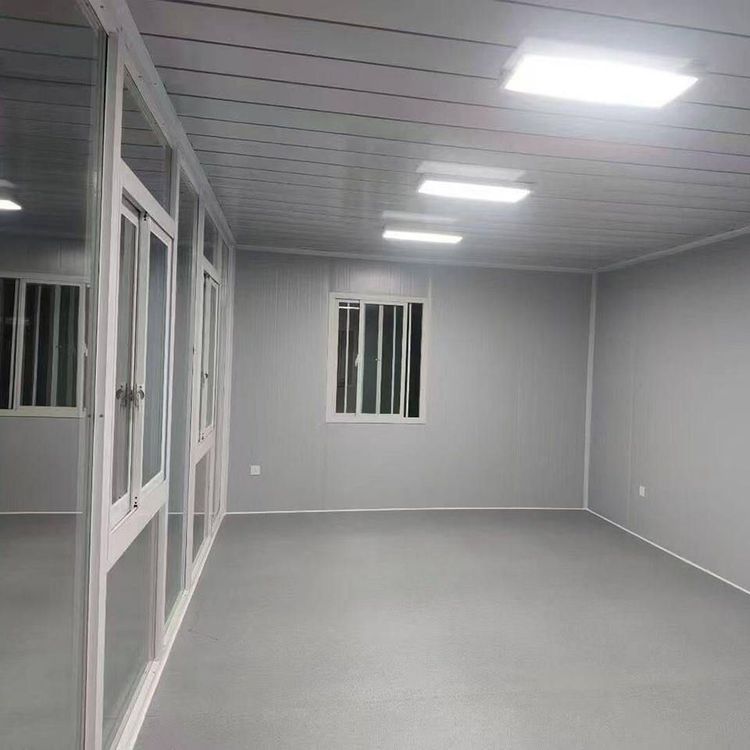
Environmental Protection Mobile Toilet Ventilation System
The environmental protection mobile toilet ventilation system mainly includes several types: natural ventilation, mechanical ventilation, deodorization ventilation, and intelligent ventilation. Here is a detailed introduction:

Natural Ventilation System
By setting ventilation openings on the walls of the mobile toilet, such as louver windows, it utilizes the pressure difference formed by natural wind to achieve indoor-outdoor air exchange. Its advantages are simple structure, no additional power consumption, and energy conservation and environmental protection. However, the ventilation effect is greatly influenced by the magnitude and direction of natural wind. When there is no wind or the wind is weak, the ventilation efficiency may be low. During installation, the ventilation openings should be placed at the top of the toilet, with a height of no less than 2.5 meters, and the air inlets should be installed on the sides of the toilet at a lower position than the ventilation openings.
Mechanical Ventilation System
- Exhaust Fan Ventilation: Install exhaust fans inside the mobile toilet to directly extract the indoor stale air and allow fresh air to enter. Exhaust fans can be selected according to different power and air volume requirements, effectively and quickly improving the indoor air environment. However, if there are only exhaust fans, they may cause negative pressure inside the toilet, and it is necessary to reasonably set air inlets for balance. It is recommended to choose a silent model with a power of 10 - 15W, install it near the top center, and equip the air inlets with filter devices.
- Combined Supply and Exhaust Ventilation: Fresh air is supplied by a supply fan, and stale air is exhausted by an exhaust fan. This method can precisely control indoor air flow and quality, ensuring stable ventilation effects. It can maintain appropriate indoor air pressure by adjusting the supply and exhaust air volumes, preventing odor leakage and the entry of outdoor stale air.
Deodorization Ventilation System
Some mobile toilets are equipped with special deodorization ventilation equipment, such as activated carbon adsorption devices that can adsorb odor gases, and photocatalytic oxidation devices that can decompose odor molecules. These ventilation systems have a significant effect on odor removal, improving the air quality inside the mobile toilet and providing a more comfortable environment for users.
Intelligent Ventilation System
Sensors are used to monitor parameters such as air quality, humidity, and the number of people inside the mobile toilet, and automatically adjust the operation of ventilation equipment based on the monitoring results. For example, when the number of people increases, the odor concentration rises, or the humidity increases, the system automatically increases the ventilation volume, achieving intelligent and precise ventilation control and further improving the user experience.