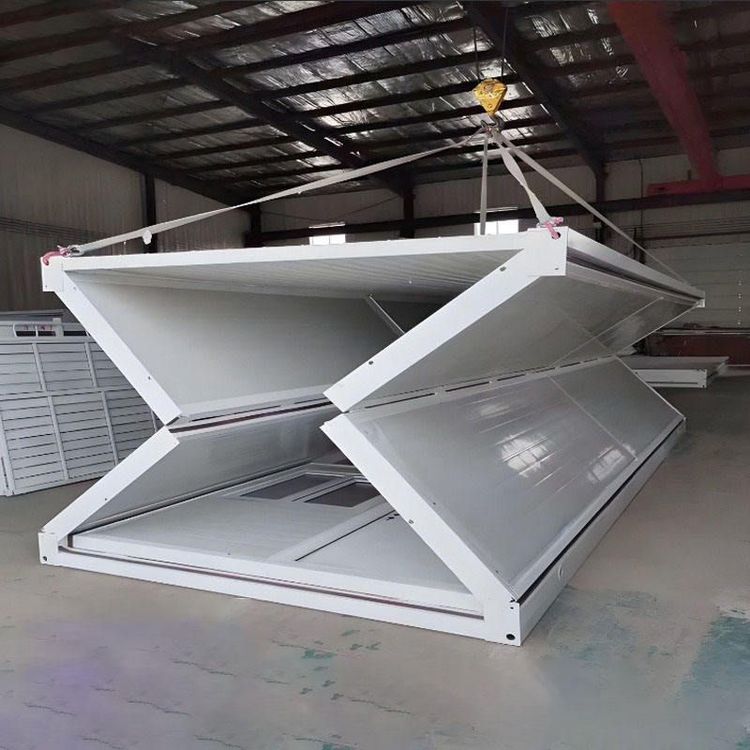
Environmental Protection Mobile Toilet & Smart Toilet
Environmental protection mobile toilets and smart toilets are modern public sanitation facilities that integrate environmental protection technologies and intelligent functions, enhancing user experience and environmental benefits through water-saving designs, resource recycling, and intelligent management.
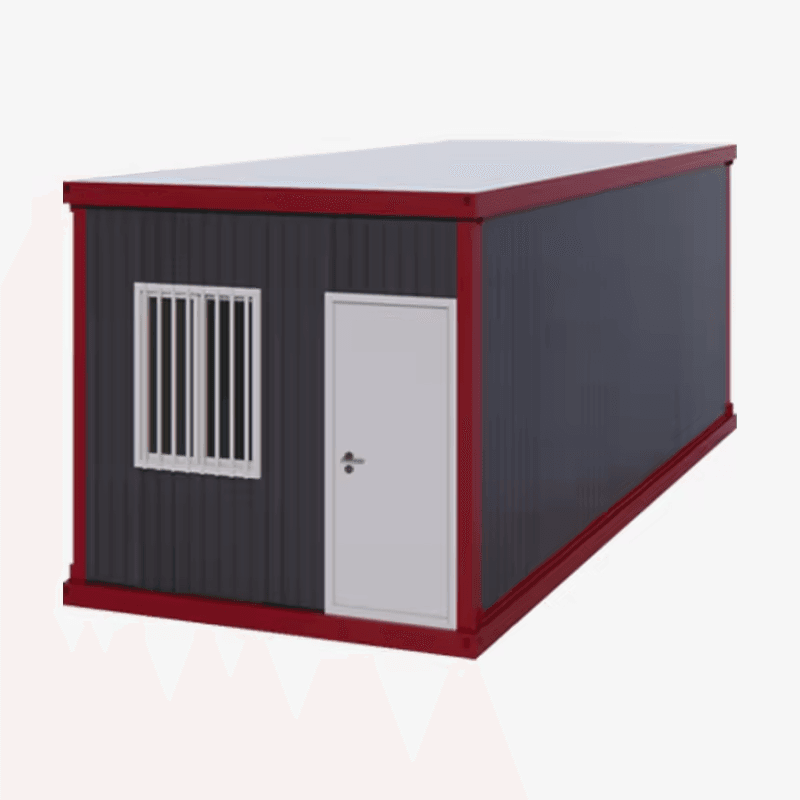
Core Technologies of Environmental Protection Mobile Toilets
Environmental protection mobile toilets are characterized by their mobility and modularity, utilizing various environmental protection technologies to achieve water conservation and resource recycling.
- Waterless Flushing: This technology treats excreta through biodegradation or physical sealing, eliminating the need for water and making it suitable for water-scarce areas or temporary settings.
- Foam Sealing: Foaming agents are used to cover the surface of excreta, blocking odors and significantly reducing flushing water volume, resulting in notable water savings.
- Optimized Water Flushing: Some products collect hand-washing water or urine, add water-saving agents, and recycle it for toilet flushing, achieving a water consumption of only 0.46 liters per use and greatly reducing water resource consumption.
Intelligent Functions of Smart Toilets
Smart toilets enhance convenience and management efficiency by integrating intelligent systems.
- Winter Olympics Epidemic Prevention Smart Toilets: Equipped with wave-activated doors, automatic seat pad replacement, and wave-activated flushing, these toilets reduce contact transmission risks. They also feature 4G remote monitoring modules to track toilet availability in real-time and support remote control of lighting and flushing systems via mobile apps.
- Towed Mobile Toilets: These integrate microbial degradation systems, with each cubicle featuring a foaming design. Combined with management and equipment rooms, they enable on-site treatment and resource utilization of excreta.
- Bottom-Level PLC Data Acquisition Systems: Sensors collect real-time data on toilet usage, water and electricity consumption, providing decision support for operators and optimizing resource allocation.
Synergistic Advantages of Environmental Protection and Intelligence
Both types of toilets prioritize environmental protection, reducing reliance on traditional infrastructure through technological upgrades. For example, microbial degradation avoids sewage discharge, while foam sealing reduces odor diffusion. Intelligent systems minimize manual intervention through automation, enhancing management efficiency. Additionally, their modular design allows rapid deployment in scenic spots, construction sites, disaster areas, and other settings, meeting both temporary and long-term needs.
Application Scenarios and Future Trends
Environmental protection mobile toilets and smart toilets are widely used in large-scale events (e.g., the Winter Olympics), remote areas, and temporary projects. Future developments will focus on lighter weight and lower energy consumption. Technologies such as solar power and AI-guided toilet navigation are expected to become more prevalent, driving public sanitation facilities toward the goals of "zero pollution and full intelligence."