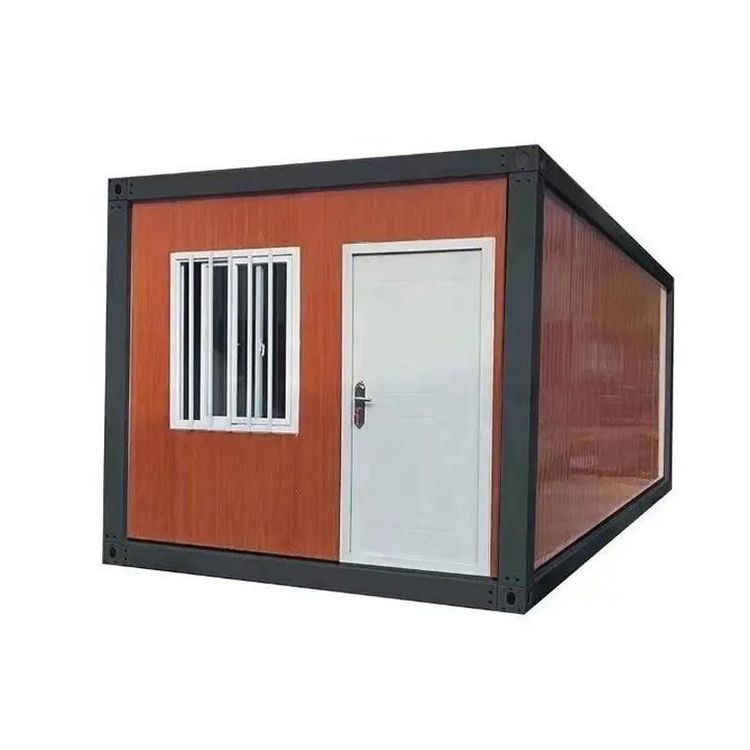
Environmental Protection Mobile Toilet Installation
The installation of an environmental protection mobile toilet requires preparing tools, positioning and treating the ground, and assembling and fixing according to specific steps. The specific installation process may vary slightly depending on the product.

Before installation, it is necessary to prepare tools and treat the ground. After receiving the goods, tools such as an electric drill, a 4.2-millimeter drill bit, and a rivet gun are required. These tools are crucial for subsequent assembly and fixation. At the same time, it is necessary to position and treat the installation ground, clear away debris, and ensure the surface is level. If there are potholes or unevenness on the ground, materials such as cement should be used to fill and level it, providing a stable foundation for subsequent installation.
The installation steps mainly include corner installation and panel assembly and fixation. The first step is to install the corners. Corner components should be installed in place according to design requirements, ensuring accurate positioning and firm connection to provide a supporting framework for subsequent panel assembly. The second step is to assemble the panels. Insert the panels into the pre-designed slots and carefully align the joints to ensure that the upper and lower panels are fully fitted and not misaligned. After alignment, use a 4.2-millimeter drill bit to drill holes at the joints. The drilling positions should be determined according to the product manual or manufacturer's instructions to ensure the stability of rivet fixation. After drilling, insert rivets and use a rivet gun to fix them firmly, ensuring tight and secure connections between the panels.
It is important to note product differences and seek professional guidance. Some environmental protection mobile toilets are factory-prefabricated products, and their installation processes may vary slightly due to differences in product design and structure. For example, certain products may adopt simpler assembly methods or have special requirements for tools and fixation methods. Therefore, if uncertainties arise during the installation process, it is recommended to contact the professional manufacturer for detailed guidance or strictly follow the installation steps in the product manual to avoid installation quality degradation or product damage due to improper operation.