Environmental Protection Mobile Toilet Construction
The construction of environmental protection mobile toilets requires comprehensive consideration of multiple factors such as brand, type, material, and technology to ensure both functionality and environmental friendliness.

Brand and Type Selection
The construction of environmental protection mobile toilets involves multiple brands, such as Jin Lian Yun, Ben Fu Construction, and Wei Jia Environmental Protection. Different brands vary in terms of technological maturity, product stability, and after-sales service. Before construction, it is necessary to select an appropriate brand based on project requirements. For example, Jin Lian Yun excels in modular design, suitable for rapid deployment; Wei Jia Environmental Protection specializes in microbial degradation technology, applicable to scenarios without sewage discharge conditions. Type selection should be based on the usage scenario:
- Public Places: Priority should be given to water-flush toilets or vacuum toilets, which reduce odors through high-pressure water flow or vacuum suction, providing a user experience close to that of traditional toilets;
- Outdoor or Construction Sites: Mobile toilets or portable toilets are more flexible, allowing for easy disassembly and relocation, and are often made of steel structures or color-coated steel, offering strong weather resistance;
- Ecologically Sensitive Areas: Microbial degradation zero-emission toilets are the preferred choice, as they decompose excreta through bacterial colonies without the need for connection to sewers, achieving “zero pollution.”
Material and Structural Construction
The material directly affects the durability and environmental friendliness of the toilet:
- Steel Structure: High in strength, suitable for long-term fixed use, but requires proper rust prevention treatment;
- Fiberglass Reinforced Plastic: Lightweight and corrosion-resistant, commonly used in vehicle-mounted toilets or temporary event toilets;
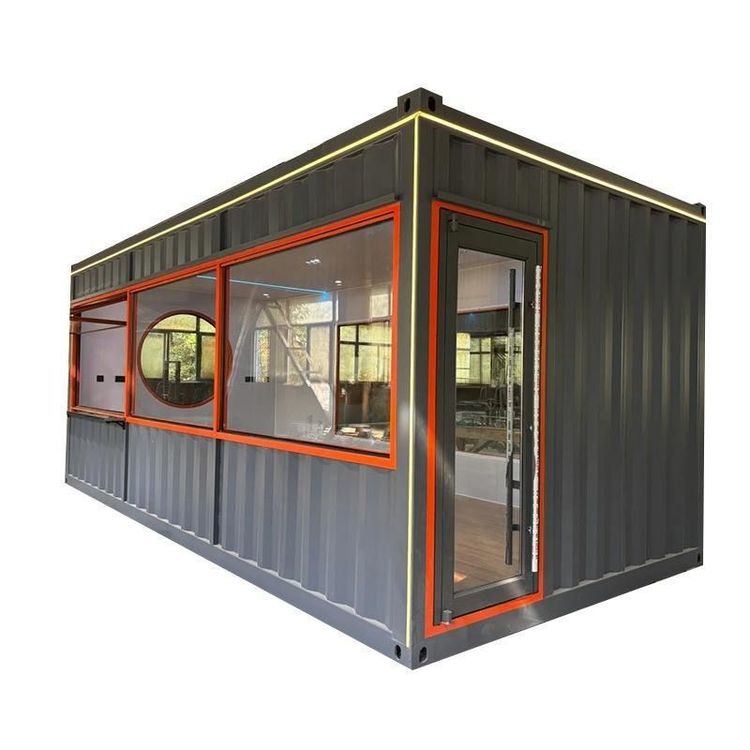
- Preservative-Treated Wood: Natural in appearance, often used in scenic spots or high-end venues, but requires regular maintenance to prevent cracking. During construction, attention should be paid to structural stability. For example, container toilets with water-based paint finishes should ensure that the container body is firmly welded, the floor is slip-resistant, and maintenance access ports are reserved for future upkeep.
Application of Environmental Protection Technologies
The core of modern environmental protection mobile toilets lies in reducing resource consumption and pollution emissions:
- Water-Saving Technology: Vacuum suction or foam sealing is used instead of traditional water flushing, reducing water consumption per use to below 0.5 liters;
- Microbial Degradation: Specific bacterial colonies decompose excreta, generating harmless gases and a small amount of organic fertilizer, achieving “zero emissions”;
- Solar Power Supply: Integrated photovoltaic panels supply power to lighting and ventilation systems, reducing reliance on the power grid. For example, a microbial degradation toilet used at a construction site automatically adjusts bacterial colony activity through an intelligent control system to ensure decomposition efficiency, while being equipped with an air purification device to further reduce odors.
Construction Process and Acceptance
The construction process includes foundation pouring, main body installation, equipment debugging, and decorative finishing. During acceptance, key checks should be made on:
- Sewage Discharge System: For water-flush toilets, test whether the drainage is smooth; for microbial toilets, confirm the activity of bacterial colonies;
- Ventilation Effect: Verify the exhaust efficiency through smoke testing to ensure indoor air quality meets standards;
- Safety Performance: Check whether the electrical grounding, slip-resistant floor, and emergency call device are reliable. Through scientific selection, standardized construction, and strict acceptance, environmental protection mobile toilets can effectively solve the sewage discharge problems of traditional toilets while兼顾 (taking into account) user experience and ecological protection.