Environmental Protection Mobile Toilet
An environmental protection mobile toilet is a movable and modular public sanitation facility that utilizes eco-friendly technologies to achieve water conservation and resource recycling, suitable for various temporary or permanent settings.

Technical Types and Water-Saving Mechanisms
Environmental protection mobile toilets offer diverse technical solutions, primarily including waterless flushing, foam sealing, and water flushing types. Waterless flushing models do not require connection to water supply and drainage pipes, processing waste through biodegradation or physical separation technologies, making them ideal for water-scarce regions. Water flushing models need access to water supply and drainage pipes, but some products optimize water usage through intelligent water-saving systems. For example, intelligent water-saving ecological environmental protection toilets can automatically collect urine and hand-washing water, and after adding water-saving special agents, achieve a flushing effect with approximately 0.46 liters of water per use, saving over 80% of water compared to traditional toilets. Foam sealing models use foaming agents to cover waste, reducing odors and minimizing flushing water volume.
Structural Design and Material Selection
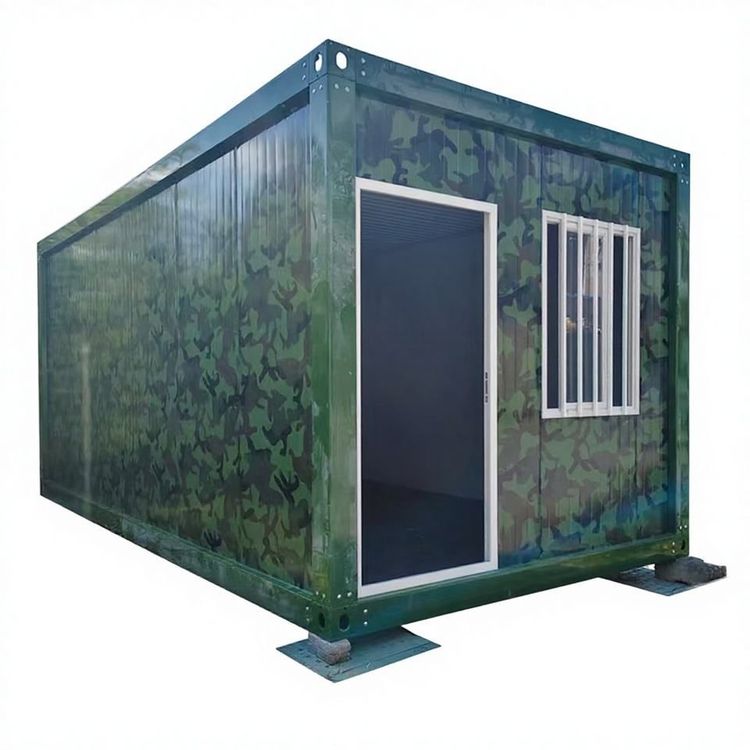
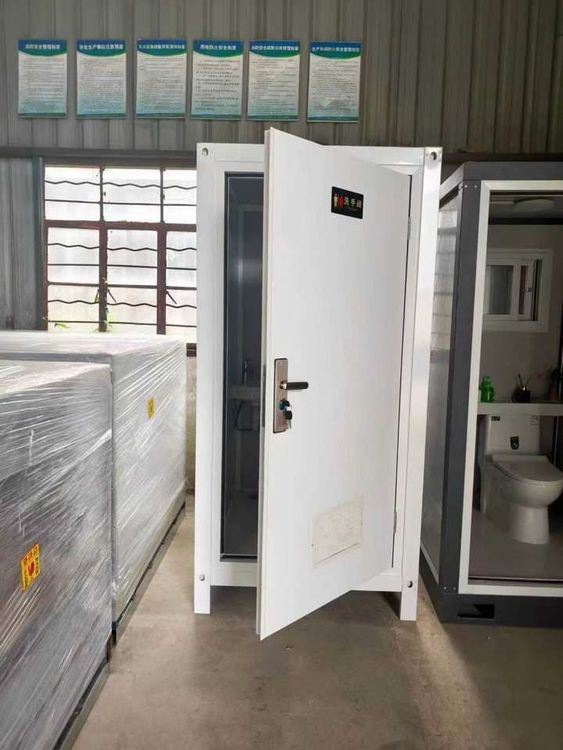
The main structure is welded from national standard steel, with surfaces covered by materials such as color-coated steel sheets, carved panels, stainless steel sheets, or anti-corrosion wood, providing anti-corrosion, fire-resistant, and wind-resistant properties, with a service life of over 20 years. Internally, it is equipped with an independent toilet pit zoning system: urine channels utilize gravity flow, while feces channels are cleaned by piston-type scraper mechanical devices, complemented by non-slip floors, automatic flushing toilet bowls, and ventilation and lighting systems. Some high-end models integrate intelligent systems, such as bottom-layer PLC data acquisition systems, 40-inch LED toilet stall monitors, and 4G remote monitoring modules, supporting remote control of lighting and flushing via mobile apps to enhance management efficiency.
Application Scenarios and Regulatory Support
The flexibility of environmental protection mobile toilets makes them widely applicable in construction site temporary toilets, scenic area garden toilets, vehicle-mounted toilets, and other niche scenarios, covering public places like scenic spots, service areas, and rural areas. For instance, they can be rapidly deployed to meet temporary needs at large events or construction sites; in remote scenic areas, waterless flushing models can solve sewage disposal challenges. Additionally, some regions have introduced regulations to support their use, such as the Chengdu Public Toilet Management Regulations, which explicitly stipulate that environmental protection mobile toilets should be installed during large-scale events, reflecting their social value.
Environmental Benefits and Social Significance
Through resource recycling and water-saving designs, environmental protection mobile toilets significantly reduce traditional toilets' water consumption and sewage discharge, aligning with sustainable development principles. Their modular structure facilitates easy transportation and maintenance, making them particularly suitable for emergency scenarios or ecologically sensitive areas, providing efficient and eco-friendly solutions for public sanitation facility construction.