
Environmental Biodegradable Mobile Toilet
An environmental biodegradable mobile toilet is a type of public toilet that utilizes microbial degradation technology to achieve harmless and resourceful treatment of feces, while featuring water conservation, mobility, and pollution-free characteristics.
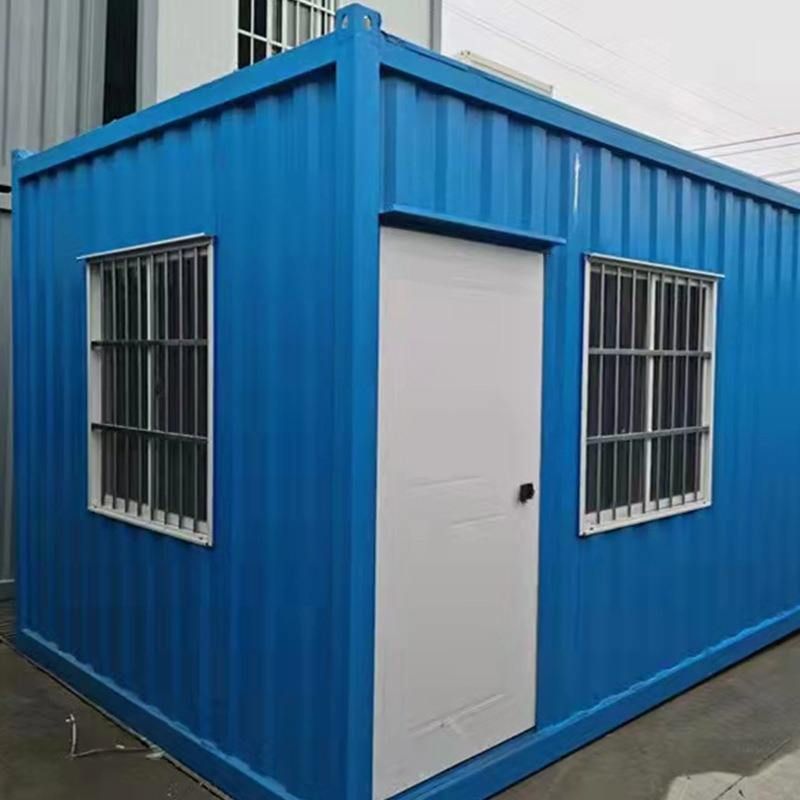
Technical Principles and Treatment Methods
The core technology of this toilet involves decomposing feces through specific microbial communities (such as marine microorganisms and anaerobic ammonium oxidation bacteria). Microorganisms convert feces into water vapor, carbon dioxide, and a small amount of organic fertilizer, enabling waterless flushing and odorless discharge. Some models employ water-free biological treatment for fertilizer production, using bio-fillers in biochemical reactors to ferment feces into humic organic fertilizer under microbial action. Urine is treated and used as liquid fertilizer, with a degradation rate of 97%, eliminating the need for water flushing and plumbing systems throughout the process.
Structural and Performance Advantages
The toilet body adopts a steel-frame cement composite structure, offering excellent thermal insulation and a service life exceeding 20 years, making it suitable for cold and water-scarce regions (e.g., Chengdu's carbon-neutral public toilets can operate in environments as cold as -28°C). Some models are equipped with intelligent temperature control systems that operate above 60°C, providing both sterilization and disinfection functions. Its mobility makes it ideal for scenic spots, temporary event venues, and other scenarios, eliminating the need for complex plumbing networks required by traditional water toilets.
Water Conservation and Environmental Benefits
Initial operation requires a one-time injection of 70-80 kg of water to activate microbial communities, with no need for continuous water supply thereafter, resulting in significant water conservation. For example, Chengdu's carbon-neutral public toilets deployed in 2024 save over 3,000 tons of water annually; the 13 venues at the 2022 Beijing Winter Olympics that adopted this technology reduced construction costs per toilet seat by 100,000 yuan compared to traditional water toilets, while also cutting sewage discharge and transportation costs.
Intelligence and Maintenance Convenience
Modern technology, combined with 5G and IoT, enables remote monitoring to track microbial activity, temperature, and other parameters in real-time, ensuring treatment efficiency. Water-free biological treatment models for fertilizer production are highly automated, requiring no manual cleaning or transportation. Bio-fillers can be replenished periodically, making maintenance easy and suitable for regions with limited resources or high environmental requirements.
Application Scenarios and Adaptability
This toilet is suitable for scenic spots, cold and water-scarce regions, public places, and temporary events, offering significant advantages in areas with water scarcity or difficult plumbing construction. Its resource utilization feature (producing organic fertilizer) further enhances its environmental value, aligning with sustainable development principles.



