
Enshi Small Mobile Toilet
Here is the information about Enshi small mobile toilets:
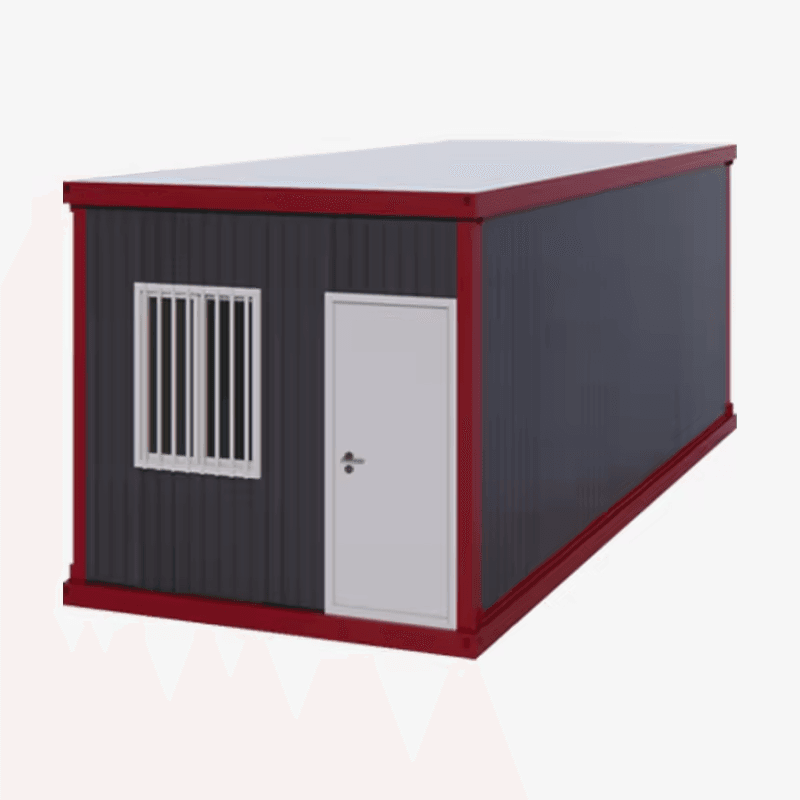
Dimensions and Suitable Scenarios of the Single-Person Standard Model The single-person standard model of Enshi small mobile toilets typically has dimensions of 1.2 - 1.5 meters in length, 0.8 - 1 meter in width, and 1.8 - 2 meters in height, with an internal space of approximately 0.8 - 1 square meters. This compact design is suitable for single-person use and is commonly found at small construction sites, temporary events, or venues with low foot traffic. Its lightweight structure allows for quick deployment and mobility, meeting short-term or temporary needs.
Rental and Purchase Recommendations
- Prioritize Rental for Short-Term Needs: If the event duration is short (1 - 3 months), renting mobile toilets is more cost-effective. Rental fees usually include transportation, installation, and maintenance services. Some suppliers also offer free cleaning and breakdown repairs, reducing user management costs. It is essential to confirm service details with the supplier in advance to avoid hidden fees.
- Consider Purchase for Long-Term Use: For projects lasting more than six months, purchasing a customized model is more economical. Users can select materials and features based on actual needs and request a warranty service (usually 1 - 3 years) from the manufacturer to ensure long-term stable operation. After purchase, users are responsible for storage and transportation costs, but the average cost is lower over the long term.
Key Points for Production Customization
- Material Selection:
- Fiberglass: Lightweight and corrosion-resistant, suitable for outdoor humid environments, but with relatively weak impact resistance.
- Stainless Steel: Durable and capable of withstanding high-intensity use, suitable for long-term projects or venues with high foot traffic.
- Plastic: Lower cost but with poor weather resistance, prone to aging and deformation, suitable for short-term, low-frequency use.
- Feature Configuration: Customize additional features based on needs, such as:
- Barrier-Free Design: Add handrails and ramps to facilitate use by disabled individuals.
- Heating Devices: Suitable for low-temperature environments to enhance user comfort.
- Environmentally Friendly Water-Saving Systems: Reduce water consumption through recycling filtration or vacuum suction technology, lowering operational costs.
- Size Customization: If space is limited (e.g., narrow passageways or irregular areas), adjust dimensions or choose a foldable structure. Custom designs should be communicated with the manufacturer in advance to ensure compliance with installation specifications and safety standards.
Users should make comprehensive decisions based on budget, usage duration, and site conditions, prioritize suppliers with complete qualifications, and clarify after-sales responsibility clauses.



