
Enhance the Quality of Mobile Toilets
Enhancing the quality of mobile toilets can be approached from the following aspects:
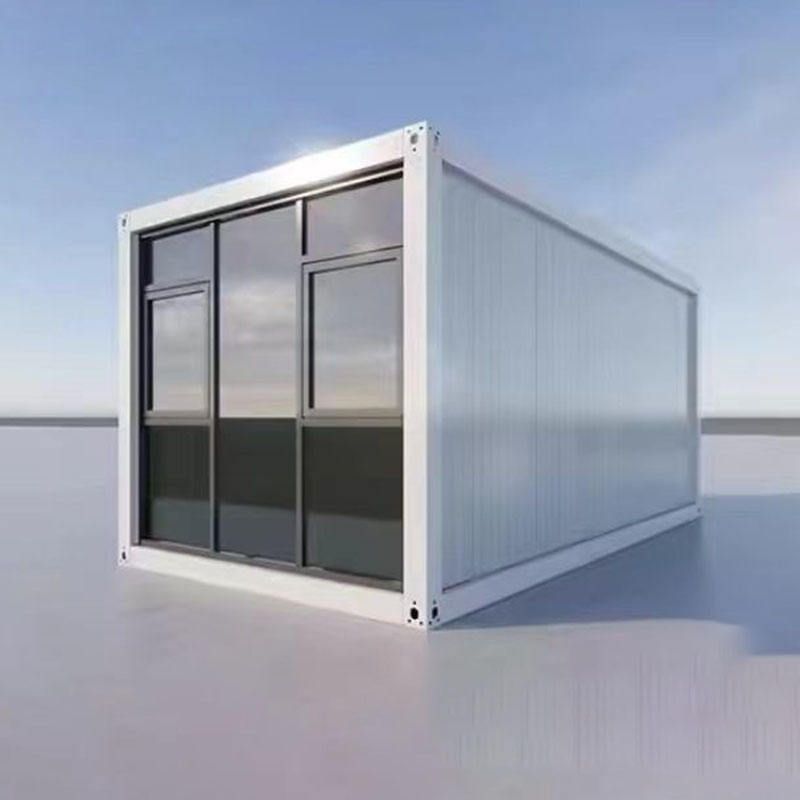
I. Optimize Design Concepts and Resource Processing
Upgrade mobile toilets from single-function facilities to dynamic nodes within the urban infrastructure network, enhancing service efficiency through systematic integration. Introduce closed-loop or semi-closed-loop resource processing technologies, such as integrating miniaturized membrane bioreactors, to preliminarily purify sewage and produce reclaimed water for toilet flushing or surrounding greenery, reducing energy consumption in pipeline transportation and municipal treatment pressure.
II. Improve Spatial Adaptability
Leverage the migratory nature of mobile units to flexibly integrate them into urban fringe areas, temporary high-traffic zones, or geologically complex regions. Utilize prefabricated bases to minimize disturbance to soil structures, achieving a balance between service provision and ecological protection. For example, in geologically sensitive areas, modular design reduces the impact of construction on underground ecosystems.
III. Enhance Material and Energy Utilization
- Materials: Adopt corrosion-resistant composite materials or recycled metals for the box structure, with modular prefabrication reducing on-site pollution. Use easy-to-clean materials like metal carved panels and color-steel composite panels for walls, filled with flame-retardant insulation layers. Ensure waterproof and slip-resistant flooring, such as anti-slip patterned aluminum plates.
- Energy: Integrate photovoltaic roofing technology to convert solar energy into electricity for lighting, ventilation, and control systems, achieving partial energy self-sufficiency and reducing reliance on the urban power grid.
IV. Strengthen Internal Environmental Control
Implement automatic cleaning and maintenance through sensor networks, monitoring ammonia and hydrogen sulfide concentrations in real-time and联动 (linkage) ventilation systems. Adopt water-saving pneumatic or vacuum flushing technologies to reduce water consumption and chemical cleaner usage. For example, intelligent monitoring systems can dynamically adjust ventilation frequency to maintain internal air quality.
V. Improve Quality Standard Systems
- Structure and Materials: Use hot-dip galvanized steel pipes or steel structures for frames to ensure corrosion resistance and wind pressure resistance. Walls should balance aesthetics and durability, with waterproof and slip-resistant flooring.
- Sewage Systems: Choose water-flush direct-discharge, waterless packing, or circulating water flushing systems based on usage environments, ensuring sealing, water conservation, and purification effects.
- Supporting Facilities: Equip with basic devices like exhaust fans, lighting, and sinks, with electrical wiring requiring moisture and water resistance and grounding protection.
VI. Establish Maintenance Mechanisms
- Daily Maintenance: Regularly conduct deep cleaning and disinfection, inspect facilities and replace faulty components, properly handle septic tanks and sewage, and clean the exterior and surrounding environment.
- Professional Services: Enhance user experience through scientific maintenance, extending facility lifespan and reducing long-term operational costs.
VII. Promote Technological Iteration and Upgrades
Adopt "three-no" technologies (no water flushing, no odors, no pollution), such as microbial degradation technology to convert excreta into organic fertilizer. Utilize ammonia concentration monitoring and bacterial inoculation systems to control odors. Predict microbial activity through LSTM neural networks to optimize temperature control strategies. Combine with the Internet of Everything operating system for remote monitoring and fault warnings.



