
English Translation of Mobile Toilet
The English term for “移动厕所” is “Portable toilet”. Here is a detailed introduction to “Portable toilet”:
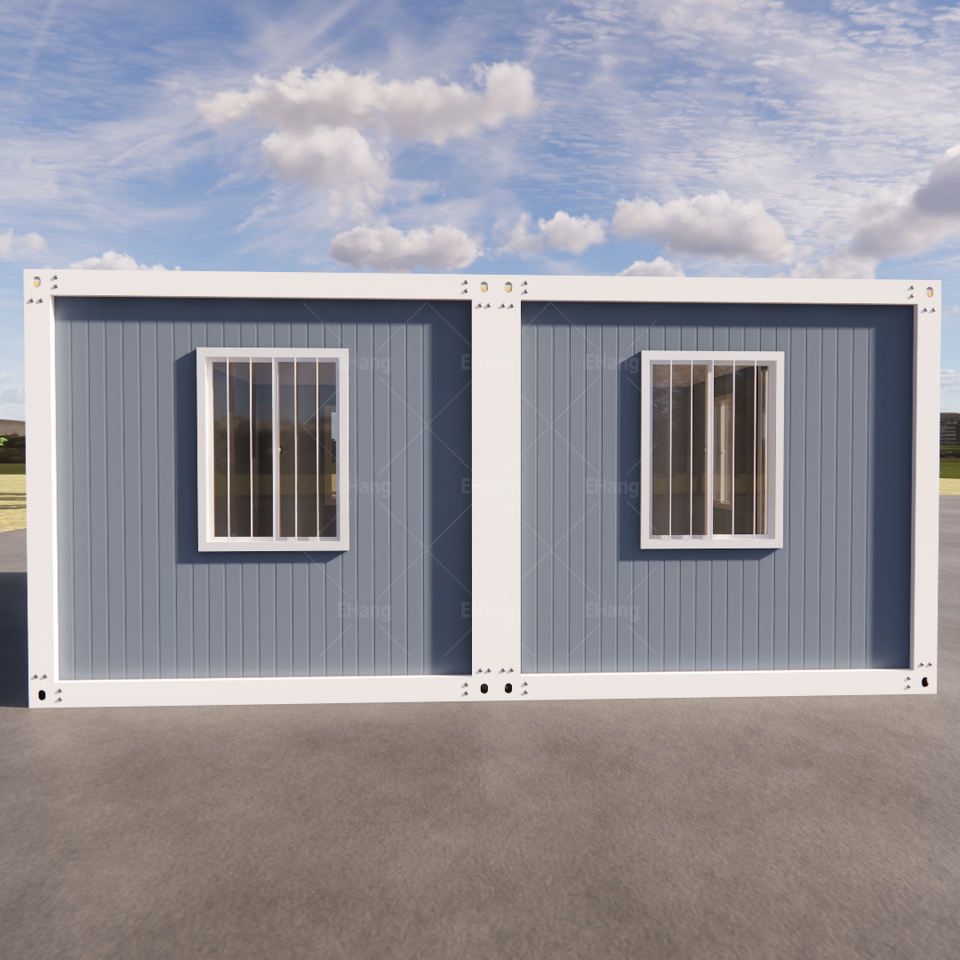
Definition and Characteristics
“Portable toilet” literally translates to “portable toilet”. It is a sanitary facility that is movable, easy to install, and dismantle. It is usually made of lightweight materials, such as plastic or metal frames paired with waterproof panels, resulting in a compact and sturdy overall structure. Its greatest feature is portability, enabling it to be quickly deployed to different locations according to actual needs and easily transferred or stored after use.
Types
- Chemical Portable Toilets: This is a relatively common type. It is equipped with a specialized chemical treatment device inside. By adding specific chemical agents, it decomposes the organic matter in the excreta while also serving to sterilize and deodorize. This type of toilet does not need to be connected to a sewer and is suitable for places without a fixed sewage disposal system, such as wild camping sites and construction sites.
- Recirculating Water Portable Toilets: This type of toilet utilizes advanced recirculating water treatment technology. It filters and purifies the used sewage to meet the standards for reuse, thus achieving the recycling of water resources. It is relatively more environmentally friendly but has a more complex structure and higher cost. It is often used for activities or venues with high environmental protection requirements, such as major sports events and music festivals.
- Packing Portable Toilets: This type of toilet uses a special packing device to seal and pack the excreta, preventing odor emission and environmental pollution. The packed excreta can be disposed of collectively, and the operation is simple and convenient. It is suitable for temporary activities or venues, such as exhibitions and fairs.
Application Scenarios
Due to its portability and flexibility, “Portable toilet” has a wide range of applications in numerous scenarios. In the event of natural disasters, it can quickly provide basic sanitary facilities for the affected people; in tourist attractions, it can alleviate the problem of tourists having difficulty finding toilets and enhance their travel experience; at construction sites, it can provide convenient toilet conditions for workers and ensure the smooth progress of construction.



