
Engineering Movable Temporary Toilet
An engineering movable temporary toilet is a facility that can be moved as a whole and provides toilet services for specific locations, suitable for large construction sites and other scenarios. The following is an introduction from three aspects: composition, classification, and examples.
I. Composition
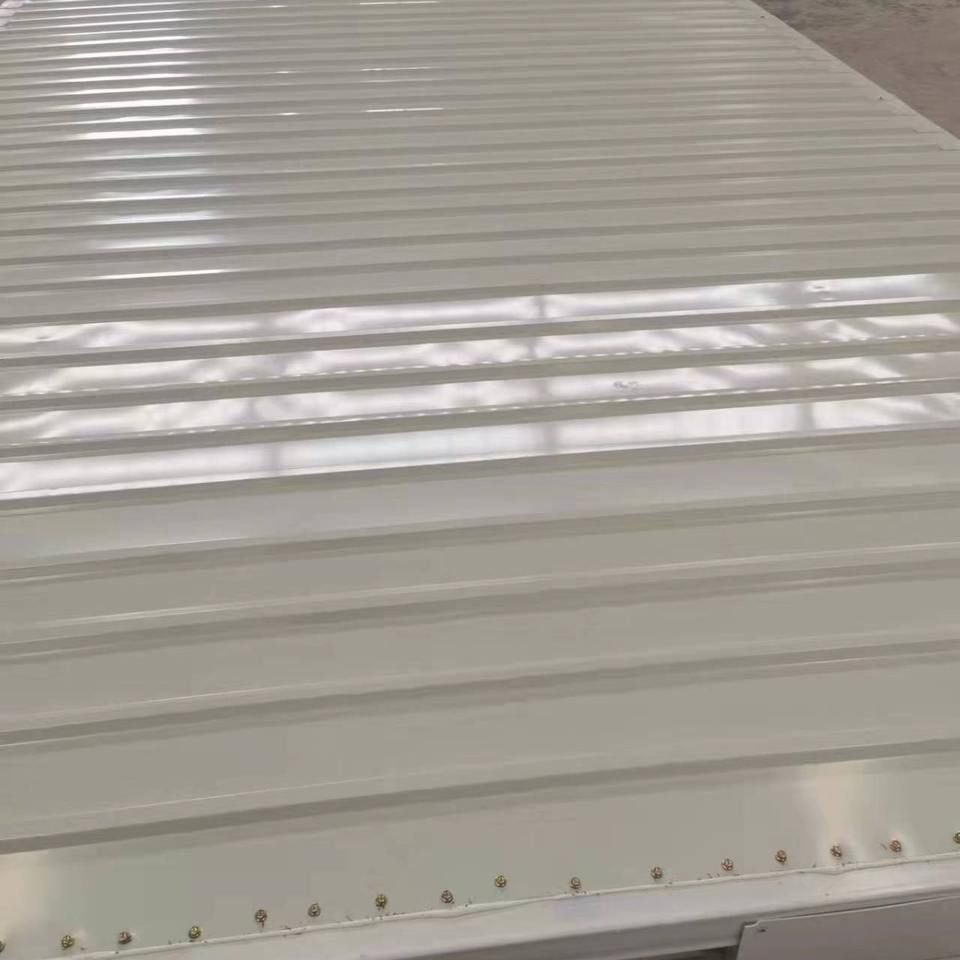
An engineering movable temporary toilet usually consists of multiple core components. The fecal sewage storage tank (or disposal device) is a key part used to collect and treat excreta, preventing direct discharge from polluting the environment. The floor provides a stable standing and activity space for users and needs to be non-slip and easy to clean. Sanitary ware includes toilets and squat pans to meet different usage habits. The walls serve to separate spaces and protect privacy while also needing to have certain sound insulation and heat insulation properties. Washing equipment such as washbasins and faucets makes it convenient for users to clean their hands. The water tank is used to store flushing water to ensure the normal use of the toilet. The roof protects the internal facilities from the weather by providing shelter from wind and rain. Moving devices such as casters and lifting structures enable the toilet to be moved as a whole conveniently.
II. Classification
According to the structural form, they can be divided into single-structure movable toilets and composite-structure movable toilets. The single-structure type is relatively simple and suitable for locations with limited space or small temporary needs; the composite-structure type is more complex and has more complete functions, suitable for large-scale events or long-term use locations. According to the moving method, there are lifting and handling movable toilets. These toilets are usually large in size and require lifting equipment such as cranes for movement; power-driven and trailer-type movable toilets can be moved by vehicle traction or their own power, offering higher flexibility. According to the sewage treatment method, they are divided into water-flushing and non-water-flushing suction-type movable toilets, circulating water-flushing movable toilets, and dry-packing movable toilets. The water-flushing type has a good cleaning effect but consumes a large amount of water resources; the non-water-flushing suction type collects excreta into a storage tank through a suction device; the circulating water-flushing type can recycle the flushing water to save water resources; the dry-packing type packs the excreta with materials such as plastic bags and does not require water.
III. Examples
A young man made a movable toilet using a water storage tank and a pallet. By fixing casters, cutting the water storage tank, and installing sanitary ware, he achieved the mobility and basic functions of the toilet. Conventional color-steel movable toilets are also suitable for construction sites. Made of color-steel materials, they are sturdy, rain-proof, and sun-proof. They can be used as soon as water and electricity are connected on-site, which is convenient and fast.



