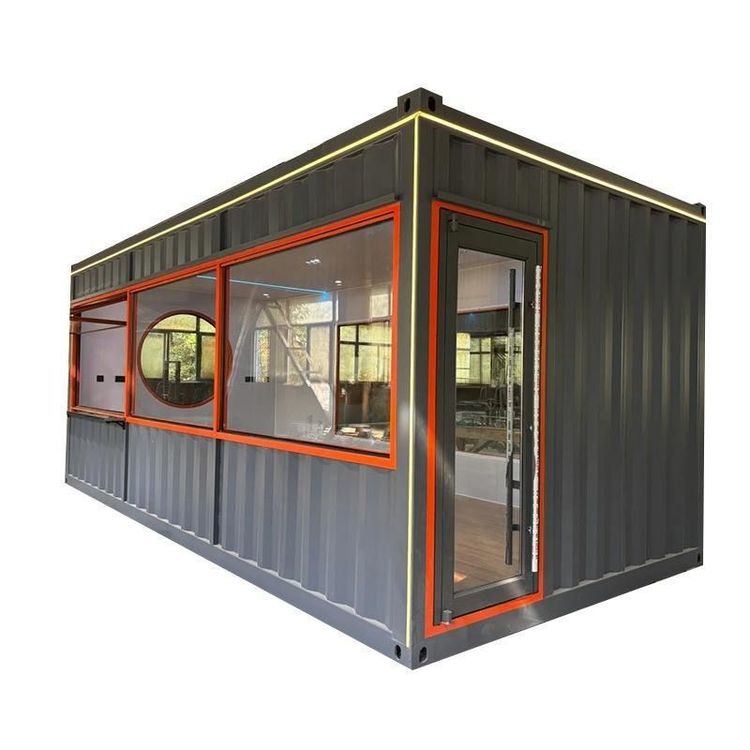
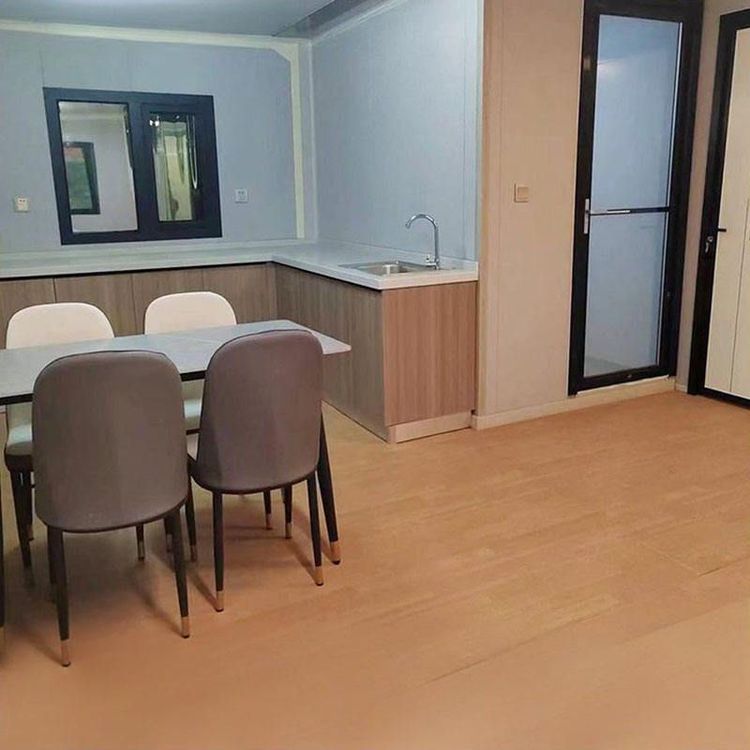
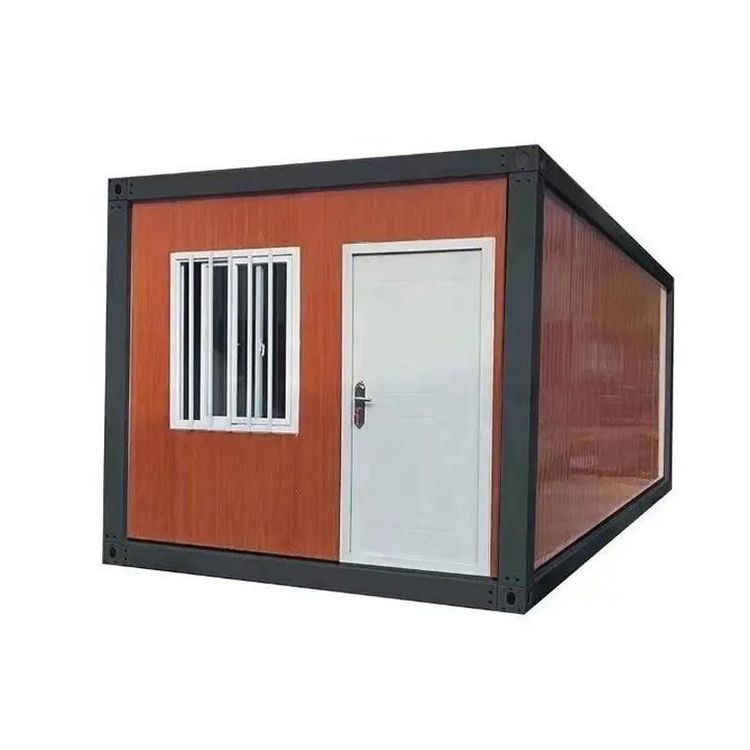
Energy-Saving Park Mobile Toilet
Energy-saving park mobile toilets achieve water conservation, resource recycling, and flexible deployment through eco-friendly technologies, primarily employing waterless flushing, foam sealing, and water flushing solutions, while integrating modular design and intelligent management systems.
Water Conservation and Resource Recycling Technologies
The core advantage of energy-saving park mobile toilets lies in their water-saving design. Some products collect natural rainwater through a rainwater harvesting and filtration system, which undergoes multi-stage filtration before being used for toilet flushing, reducing reliance on municipal water supplies. Additionally, the handwashing water reuse technology recycles wastewater from sinks into storage tanks, where it is treated and reused for flushing, further lowering freshwater consumption. For instance, certain models can achieve water savings of over 80%, significantly alleviating water pressure in parks.
Water recycling systems represent another key technology. Urban smart toilets utilize closed-loop water recycling units that treat sewage through biological degradation or physical filtration to meet reuse standards. This design not only reduces sewage discharge but also eliminates dependence on underground sewer networks, making it particularly suitable for ecologically sensitive areas or temporary event venues.
Modular Design and Flexible Deployment
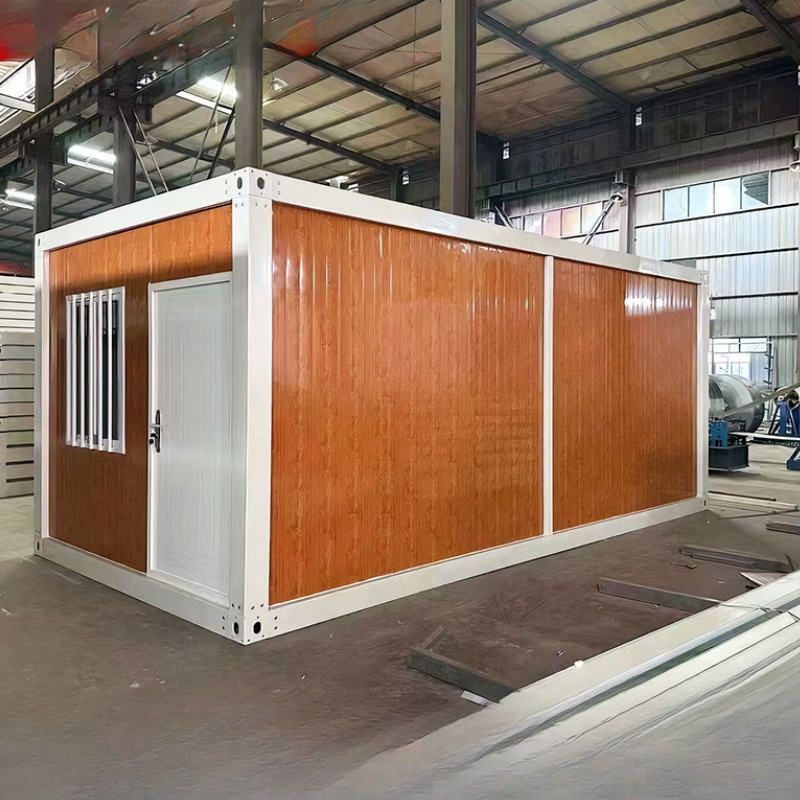
The prefabricated structure of mobile toilets is central to their adaptability in park settings. Take, for example, a 6-unit row toilet featuring a galvanized steel frame paired with waterproof asphalt shingles. Its modular design allows individual toilet units to be assembled or disassembled independently, enabling rapid relocation via crane transportation to meet dynamic demands across different park areas. For instance, additional units can be temporarily installed during peak holiday seasons, while modules can be disassembled, stored, or relocated to other sites after events, preventing resource idleness.
Moreover, modular design enhances resource utilization efficiency. Standardized components (such as water tanks, toilets, and ventilation systems) are used inside toilet units, enabling quick replacement in case of damage and extending overall service life. Some products also support solar power, with rooftop photovoltaic panels supplying electricity for lighting and ventilation systems, further reducing energy consumption.
Intelligent Management Systems for Energy Optimization
High-end models are equipped with intelligent control systems that monitor water usage, electricity consumption, and equipment status in real-time via PLC data acquisition modules, uploading data to cloud platforms. Managers can remotely adjust parameters such as flushing frequency and lighting brightness to prevent energy waste. For example, the system automatically shuts off non-essential equipment during nighttime hours when no one is present, while dynamically increasing flushing frequency during peak usage to balance hygiene needs with water-saving goals.
Some smart toilets also incorporate environmental sensing technologies, using temperature-humidity sensors and gas detectors to automatically adjust ventilation intensity, reducing energy consumption caused by poor air circulation. Together, these technologies establish a low-energy, high-efficiency operation and maintenance model that aligns with parks' green development philosophies.
In summary, energy-saving park mobile toilets achieve efficient resource utilization and flexible deployment through water-saving technologies, modular design, and intelligent management, providing sustainable sanitation solutions for public spaces.