
Energy-Saving Mobile Toilet (Portable Toilet)
An energy-saving mobile toilet (portable toilet) is a facility that can be moved as a whole to provide public restroom services. It offers advantages such as mobility, modularity, and ease of transportation, with design principles centered around convenience, durability, and environmental protection.
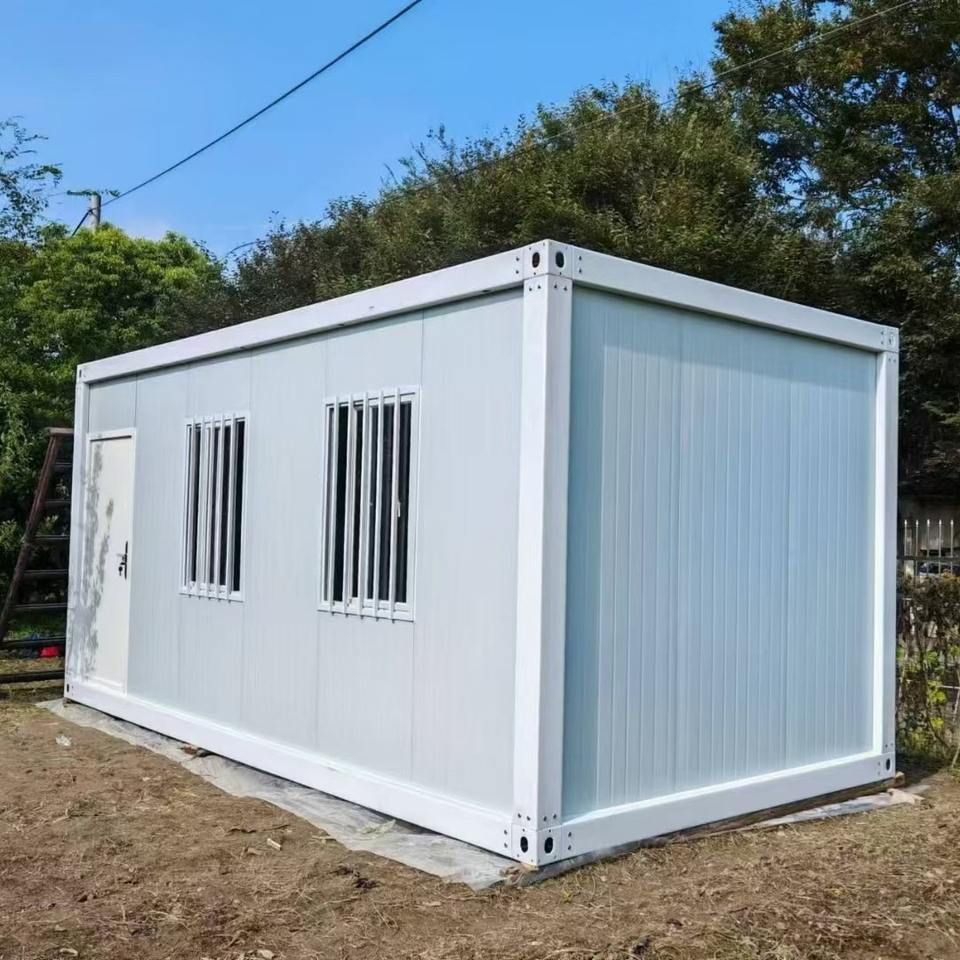
I. Basic Definition and Characteristics An energy-saving mobile toilet (portable toilet) is designed to meet restroom needs in both fixed and temporary locations. Its core advantage lies in its ability to be moved as a whole to any location and reused repeatedly. Its structure comes in two forms: single-unit and composite, with mobility methods including hoisting, carrying, and powered towing, enabling it to adapt to transportation needs in various scenarios. For example, towable mobile toilets can be rapidly deployed via vehicle towing, with some models measuring just 2 meters in width and 7 meters in length, facilitating flexible use in narrow spaces.
II. Functional Configuration and Environmental Protection Technologies Modern energy-saving mobile toilets are well-equipped internally, typically integrating basic functions such as toilet systems, sinks, and lighting, with some high-end models featuring smart sensing devices. Their wastewater treatment technologies are diverse, including:
- Water-flush and waterless suction-type: Reducing water usage through minimal water flushing or vacuum suction;
- Recirculating water-flush type: Utilizing filtration systems to recycle water resources;
- Dry-pack type: Using biodegradable materials to collect waste, requiring no water source and producing no pollution;
- Microbial degradation system: For example, towable smart public toilets decompose feces through microorganisms, achieving zero emissions. These technologies significantly reduce reliance on traditional sewage systems, making them particularly suitable for water-scarce or sewer-less areas.
III. Design Principles and Material Selection The design of mobile toilets must balance functionality and practicality, adhering to the following principles:
- Lightweight and robustness: Prioritizing lightweight yet durable materials such as aluminum alloy and high-strength plastics to control overall weight while ensuring structural stability;
- Modular combination: Supporting single-unit splicing or functional expansion to meet the usage needs of different population sizes;
- Humanized details: Adjusting height and width to accommodate different user groups, equipped with non-slip floors, ventilation systems, etc., to enhance the user experience;
- Environmental protection and ecology: Implementing a low-carbon philosophy throughout the process, from material selection to wastewater treatment, to minimize environmental impact.
IV. Typical Application Scenarios Due to their flexibility and environmental friendliness, mobile toilets are widely used in scenarios such as large-scale events, construction sites, disaster relief areas, and tourist attractions. For example, temporary events like music festivals can address restroom demands during peak visitor periods through rapid deployment of mobile toilets; remote tourist attractions can balance ecological protection with infrastructure development by relying on microbial degradation technologies.



