
Emergency Mobile Toilet for Disaster Relief and Civil Affairs
Emergency mobile toilets (for disaster relief and civil affairs) are temporary sanitation facilities specifically designed for disaster rescue and emergency scenarios. They feature rapid deployment, wind and rain resistance, and sanitary isolation, serving as crucial equipment to meet the basic living needs of disaster-affected people.
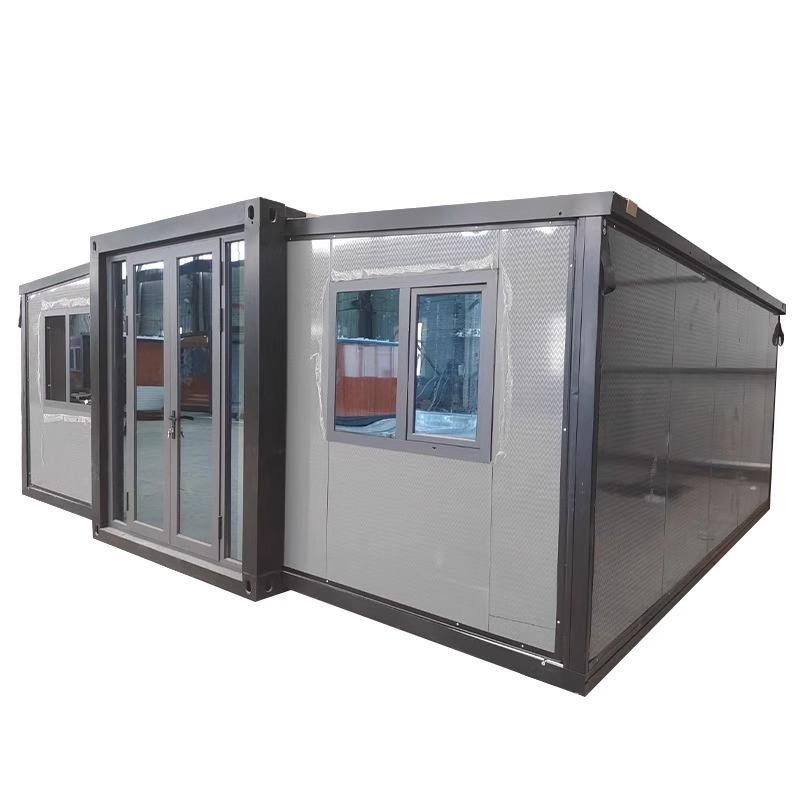
I. Core Functions and Design Features
Rapid Deployment
It adopts a rod-connected frame (non-inflatable structure). The skeleton can be quickly unfolded through pre-installed hinge joints, and the split-type tent fabric design reduces the difficulty of single-person operation. The modular design supports standardized interfaces, facilitating the splicing of multiple units and enhancing the efficiency of large-scale deployment.Durable Materials and Protective Performance
The support rods are made of painted pipes, which form a dense protective layer after high-temperature treatment, resisting rainwater corrosion and withstanding external impacts. The main fabric uses a composite structure of Oxford cloth and PVC cloth. The outer PVC cloth is waterproof through hot-melt technology and has strong abrasion resistance, ensuring dryness inside during heavy rain. The sealing design uses high-temperature waterproof adhesive tapes along the seams to prevent rainwater infiltration, and the bottom outlet is designed for easy cleaning of excreta to avoid contamination.Environmental Adaptability
Wind resistance is achieved through a combination of triangular pull rings, wind-resistant pull rings, and ground stakes, enabling it to withstand gusts of up to 8 on the Beaufort scale. Ventilation and mosquito prevention are realized through a combination of side-wall mesh and top ventilation windows, maintaining air circulation while blocking mosquitoes. In terms of temperature tolerance, its wind and rain resistance have been tested in laboratories, and it can withstand 2 hours of continuous moderate rain. The mosquito-proof and ventilation structure remains effective at 35℃.Portability and Maintenance
The tent weighs 26 kilograms and has a relatively small folded volume. It can be carried by 2 - 3 people and is suitable for vehicle transportation or manual carrying. Maintenance points include regularly checking the waterproof adhesive tapes, cleaning the accumulations at the bottom outlet, and wiping off surface moisture during storage to prevent mold growth.
II. Application Scenarios and Technical Highlights
Disaster Types
It is applicable to various disaster scenarios such as earthquakes, typhoons, floods, and mudslides. Especially under conditions where roads are blocked and water and electricity supplies are limited, it can quickly set up independent sanitation units. For example, in Guangxi and Zhejiang, such facilities have been used in flood prevention and disaster relief to ensure the basic living needs of people in difficulty.Function Integration and Cost Balance
It integrates a simple toilet inside, using a folding structure combined with a leak-proof material layer to balance space utilization and waste sealing. The choice of non-flame-retardant materials reflects a balance between cost control and the characteristics of short-term use, suitable for rapid turnover in emergency scenarios. The basic frame structure is unified, supporting customization of parameters such as tent fabric thickness and window positions to adapt to different climatic regions.



