
Electric Waterless Mobile Toilet
There are two typical types of electric waterless mobile toilets, with their characteristics and working principles as follows:
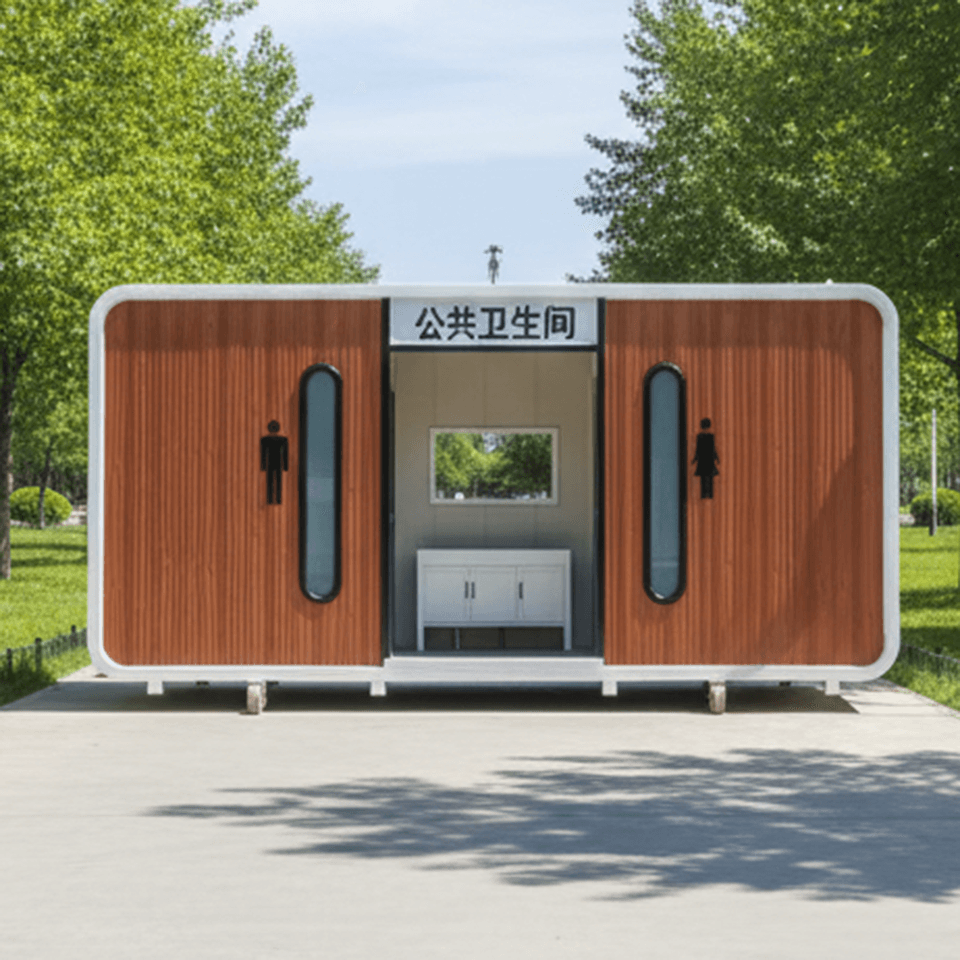
I. Waterless Incineration Toilet Represented by the product developed by the Norwegian company Cinderella, its core principle is to achieve waste treatment through high-temperature incineration. The toilet is equipped with a funnel-shaped stainless-steel bucket inside. When in use, a special toilet bag needs to be placed in it. After the user finishes using the toilet and presses the button, the toilet bag along with the waste is transferred to the combustion chamber. Under the high temperature (usually exceeding 500°C) heated by electricity or liquefied petroleum gas, the waste is instantly incinerated into ashes. The ashes are non-toxic and odorless and are rich in nutrients such as potassium and phosphorus required by plants, so they can be directly used as garden fertilizer. There is an ash collection box at the bottom of the toilet, and an LED display is equipped to prompt the cleaning time to prevent ash accumulation from affecting use.
The exhaust gas treatment system of this type of toilet is one of its key technologies. The exhaust gas is filtered and purified through a platinum catalytic device, effectively decomposing harmful gases to ensure that the emissions meet environmental protection standards. Its biggest advantage lies in no need for water and sewage pipes, and it is easy to install, especially suitable for environments lacking infrastructure such as remote mountainous areas, deserts, swamps, and extremely cold regions. For example, Antarctic research stations have adopted such toilets to solve sanitation problems in extreme climates.
II. Waterless Ecological Toilet This type of toilet adopts a microcomputer control system and automatically judges whether there are users through sensing technology, and then triggers the lighting, ventilation, and separation systems. Its core treatment method relies on composite microbial technology: solid waste is decomposed by microorganisms into gases (such as carbon dioxide and water vapor), while urine is biodegraded to reach the standard of reclaimed water, enabling recycling (such as for flushing or greening irrigation).
The advantages of this system lie in resource recycling and low energy consumption. The microbial treatment process does not require chemical agents and operates quietly, making it suitable for environmentally sensitive areas (such as nature reserves or tourist attractions). In addition, its modular design facilitates rapid deployment and can adjust the capacity according to needs to meet the temporary or long-term use requirements of different scenarios.
Summary: Electric waterless mobile toilets break through the dependence of traditional toilets on water and sewage systems through high-temperature incineration or microbial degradation technologies. They not only solve sanitation problems but also achieve efficient utilization of resources. With a wide range of application scenarios, from extreme environments to urban temporary events, they are a model combining environmental protection and practicality.



