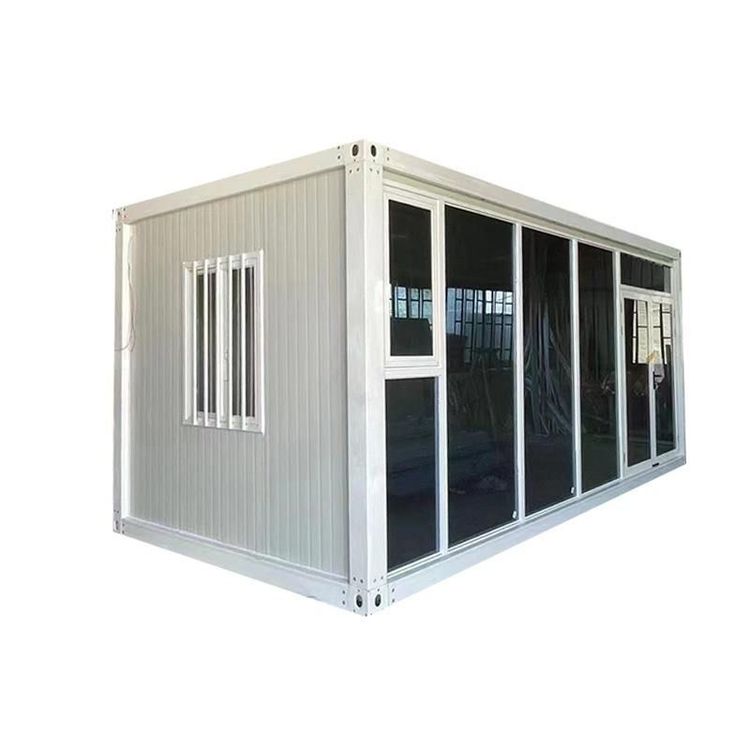
How About Electric Mobile Toilets
Electric mobile toilets stand out in terms of convenience, functionality, and adaptability through electric drive and modular design, but they also have limitations such as cost and power dependency, with clear directions for future improvements.

Basic Principles and Functional Features
The core of electric mobile toilets lies in their power system and automation functions. They are equipped with small motors to control modules such as sewage disposal, ventilation, and lighting. For example, they use electric suction technology to collect waste and forced ventilation via electric fans, requiring only a connection to a standard power source to operate. Some models also integrate functions like automatic flushing and ultraviolet disinfection, which can clean the toilet bowl on a schedule, reduce residue buildup, and lower the frequency of manual maintenance.
Comparative Advantages Over Traditional Mobile Toilets
- Installation and Handling: Modular design allows for disassembly and transport, with some models featuring electric wheels for easier short-distance movement. Traditional toilets require whole-unit handling, relying on cranes or trucks, and have high requirements for ground flatness.
- Sanitation Maintenance: Automation reduces manual intervention, such as timed cleaning by electric flushing systems, while traditional toilets rely on chemical agents or frequent manual cleaning.
- Energy Consumption and Environmental Protection: They consume low power, with standard solar panels sufficient to support basic functions, making them suitable for outdoor scenarios without grid coverage. Traditional toilets do not require electricity but may impose environmental burdens due to chemical agent use.
Adaptability to Application Scenarios
- Temporary Events: For short-term events like music festivals or markets, they can be quickly deployed and removed after the event, avoiding ground excavation or infrastructure residue.
- Construction Sites: Sealed design reduces environmental pollution risks and allows for position adjustments with the project progress, meeting sanitation needs in concentrated worker areas.
- Tourist Attractions: Sewage collection prevents direct discharge, and some models can compress waste to reduce transport frequency, making them suitable for ecologically sensitive areas.
Technical Limitations
- High Cost: They are typically priced 30%-50% higher than ordinary mobile toilets, and maintenance requires professional technicians, potentially increasing long-term usage costs.
- Power Dependency: Solar power supply may be unstable in extreme weather or prolonged rainy conditions, with limited backup battery capacity.
- Capacity Limitations: The volume of the waste storage tank is limited, requiring more frequent cleaning during high-frequency use to avoid functional impacts.
Future Improvement Directions
- Energy Efficiency: Develop low-power motors or hybrid power supply systems (e.g., solar + manual power generation) to enhance endurance.
- Material Optimization: Use lightweight composite materials to reduce self-weight while enhancing structural strength for adaptability to rugged terrain.
- Smart Management: Incorporate sensors to monitor waste levels or equipment status and alert maintenance personnel via wireless signals, reducing manual inspection costs.
Additionally, the vehicle-mounted mobile water-circulating eco-friendly public toilet from Hangzhou Juchuan Environmental Protection Technology achieves water and sewage independence through water circulation technology, with a single charge enabling 72 hours of operation and flexible mobility, further expanding the application boundaries of electric mobile toilets.