Eerguna Mobile Toilet
Centered around a diverse range of types and designs tailored for extreme environments, Eerguna mobile toilets provide rental and sales services, integrating technology and ecological functions to become a key facility for grassland tourism and public services.
I. Business Scope and Types
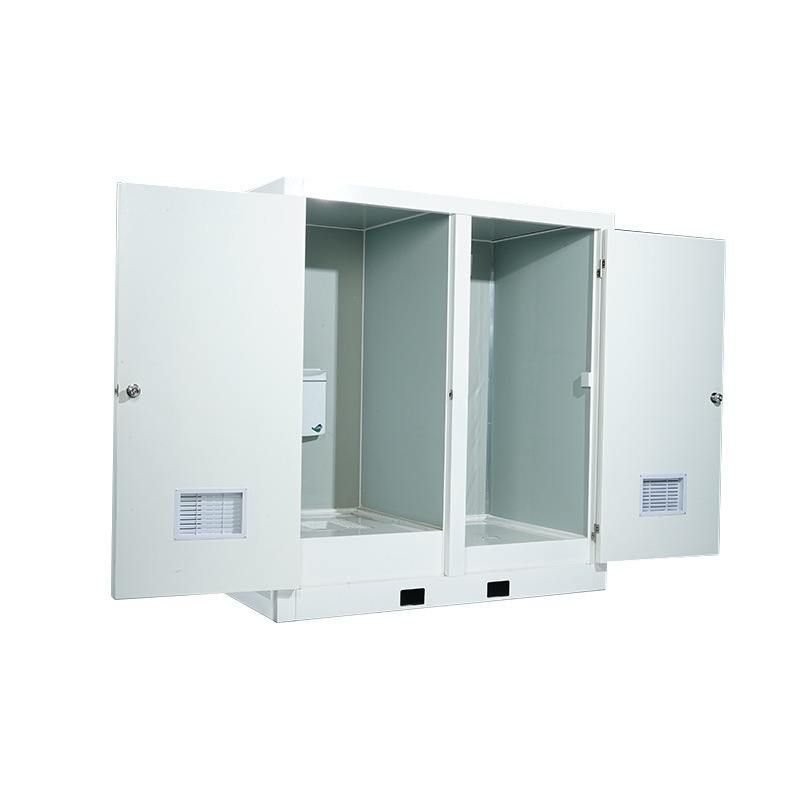
Eerguna mobile toilets primarily offer rental and sales services, covering scenarios such as marathons, concerts, construction sites, and scenic spots. Their product range is extensive, including mobile toilets for epidemic prevention centers, portable, outdoor, electric, eco-friendly, vacuum, foldable, large-scale, and simple mobile toilets, meeting the differentiated needs of various scenarios. For example, construction sites may prioritize durable steel-structured large toilets, while temporary events like music festivals tend to favor portable or foldable models.
II. Design for Extreme Environments
Tailored to the characteristics of strong winds, cold temperatures, and water scarcity in Inner Mongolia, mobile toilets have undergone specialized optimizations:
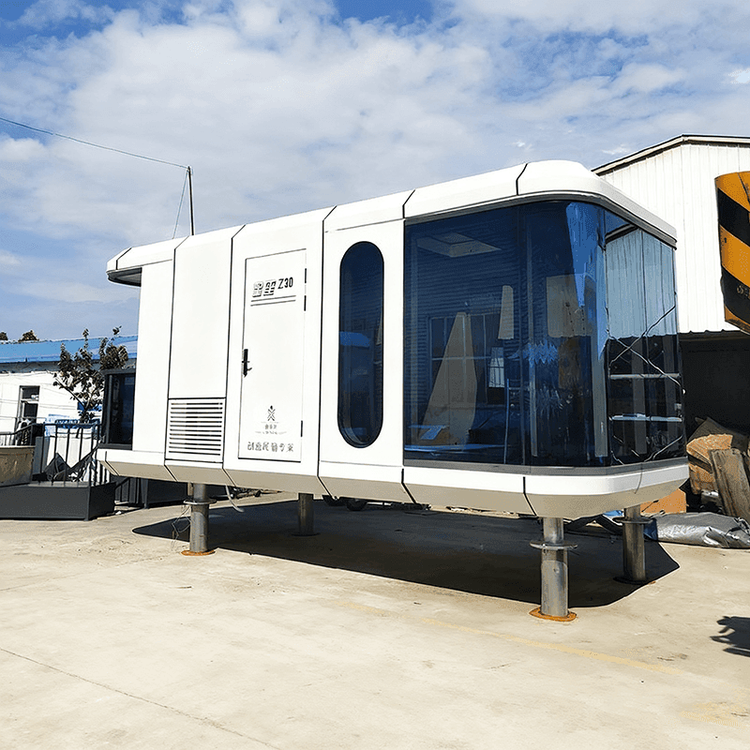
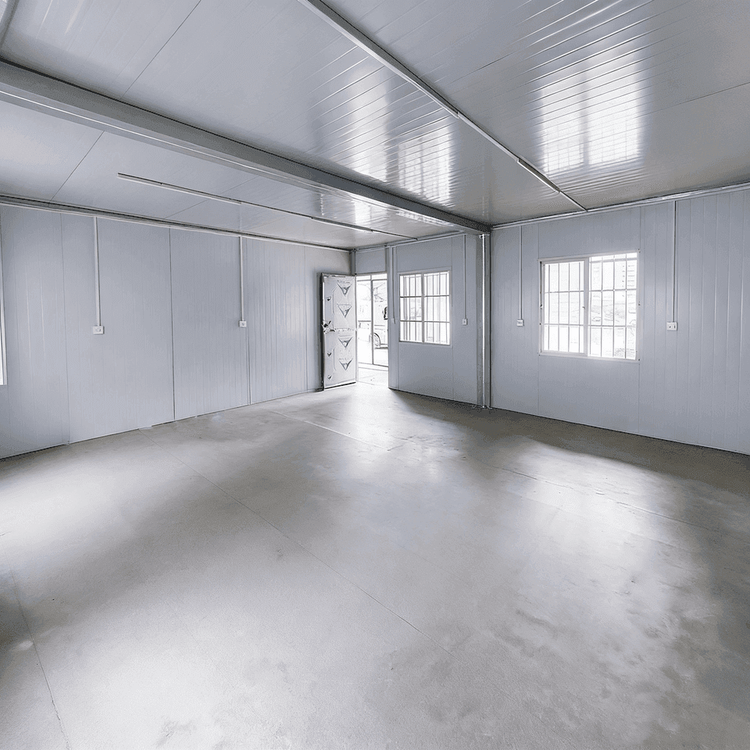
- Wind Resistance and Insulation: Toilets in Hulunbuir Grassland scenic areas adopt modular steel structures with a wind resistance rating of up to Level 10. Walls are filled with polyurethane insulation layers, maintaining an internal temperature above 5°C in winter without heating. Roofs feature slope designs with waterproof membranes, while doors and windows use double-glazed tempered glass, effectively preventing sand and dust and reducing heat loss.
- Water-Saving Technology: Widely adopting vacuum water-saving systems, a single flush requires only 0.5 liters of water, saving over 80% compared to traditional toilets. Some models are equipped with small-scale sewage treatment equipment, achieving zero sewage discharge and alleviating water scarcity on the grasslands.
III. Functional Extension and Integration with Public Services
Mobile toilets have evolved from single sanitation facilities into "mini complexes":
- Nomadic Communities: Toilets in Xilingol League are integrated with "herdsmen service stations", adding mobile phone charging ports, Wi-Fi hotspots, and emergency medicine kits to enhance the convenience of herdsmen's lives.
- Desert Scenic Areas: Toilets in Xiangsha Bay are equipped with sunshades and seating areas on the exterior, with solar panels on the roof supplying power to the toilets and charging visitors' devices, balancing practicality and environmental protection.
- Smart Management: The Populus euphratica Forest scenic area in Ejin Banner introduces sensor monitoring systems to display real-time pit usage, with data synchronized to the scenic area's official account, facilitating visitors' itinerary planning.
IV. Ecological and Technological Applications During Peak Tourism Seasons
During peak tourism periods, mobile toilets enhance the experience and protect the ecosystem through technological means:
- Xilamuren Grassland: Eco-toilets use solar power, equipped with vacuum suction systems, barrier-free access, and母婴护理台 (maternity care tables), balancing environmental protection and humanized needs.
- Eerguna Wetland Park: Starry sky toilets feature special translucent domes, built-in aromatherapy systems, and a "restroom landscape index" for photography enthusiasts.
- Resource Recycling: All excreta is converted into forage fertilizer through biodegradation treatment, achieving a closed-loop utilization of "excreta-fertilizer-forage" and reducing interference with the grassland ecosystem.
In summary, Eerguna mobile toilets have become a vital support for public services and tourism development in Inner Mongolia through type diversification, environment-specific design, functional extension, and ecological and technological applications.