
Ecological Toilet, Environmental Protection Mobile Toilet
The ecological toilet and environmental protection mobile toilet are movable and modular toilet facilities that employ eco-friendly technologies to achieve water conservation and resource recycling. They are widely used in temporary venues and outdoor settings.
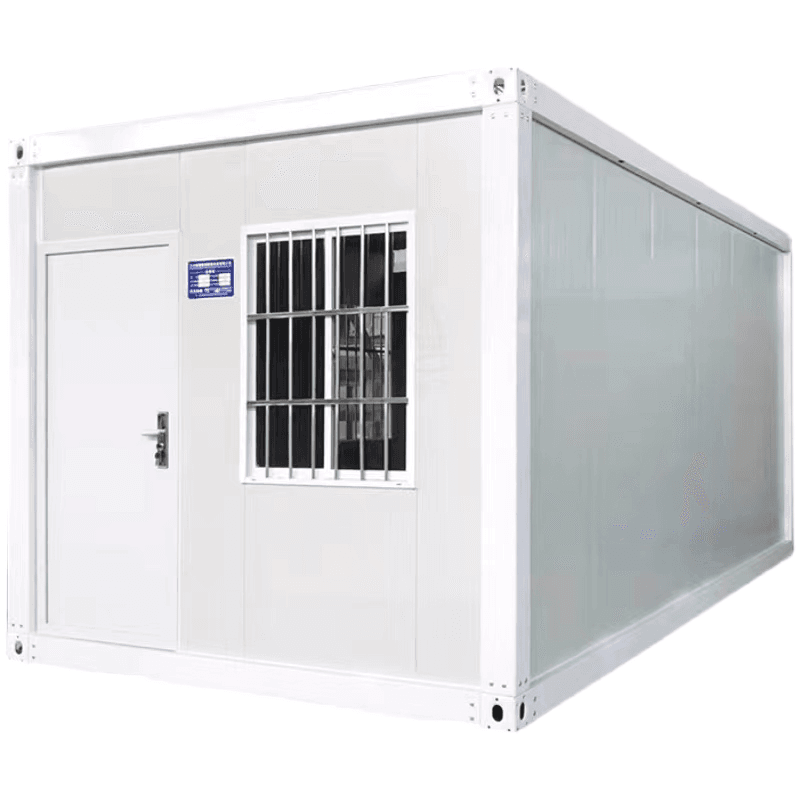
I. Technical Types and Functional Characteristics
- Diverse Technical Solutions: These include waterless flushing, foam sealing, and water flushing types. For example, a waterless ecological toilet uses a microcomputer control system to sense human presence, automatically activating lighting, ventilation, and separation systems. It utilizes composite microorganisms to convert solid waste into gas, while urine is decomposed to meet reclaimed water standards for recycling, achieving zero water discharge.
- Modular Design: Some products feature modular structures, such as the “4+1 stepped mobile restroom,” which includes four squatting positions and one open washroom. These can be customized in terms of size, materials, and functional configurations. The exterior walls often use insulated and fire-resistant metal carved panels, while the interior walls employ bamboo-wood fiber panels. The floor is laid with anti-slip tiles, and facilities like exhaust fans and paper towel dispensers are provided.
- Integrated Smart Systems: High-end models are equipped with a bottom-layer PLC data acquisition system, 40-inch LED toilet stall monitors, and 4G remote monitoring modules. They support remote control of lighting and flushing systems via a mobile app, enhancing management efficiency.
II. Structure and Materials
The main frame is welded from steel, with the bottom reinforced using channel steel or I-beams and columns made of square steel to ensure structural stability. Wall materials include color-coated steel plates, metal carved panels, aluminum-plastic panels, and anti-corrosion wood, balancing durability and aesthetics. The frame design meets lifting requirements, facilitating rapid movement and installation, particularly suitable for temporary venues.
III. Application Scenarios
- Temporary Events: Widely used in entertainment performances, sports events, conferences, and exhibitions to address short-term, high-density restroom needs.
- Outdoor Venues: In gardens, tourist attractions, campsites, and construction sites, they balance facility construction with ecological protection. For example, they can be deployed in geologically fragile areas or near scenic overlooks during peak tourist seasons to create a “five-minute restroom circle”.
- Modular Assembly: For oversized products, a modular design allows for split transportation and on-site assembly, adapting to complex terrains or transportation restrictions.
IV. Environmental Significance
By employing resource recycling technologies, they reduce water consumption and pollution while minimizing long-term environmental impacts through modular design. This aligns with sustainable development principles, particularly in ecologically sensitive areas where their application value is significant.



