Back to blog
Article
Ecological Mobile Toilet Production
Admin September 23, 2026
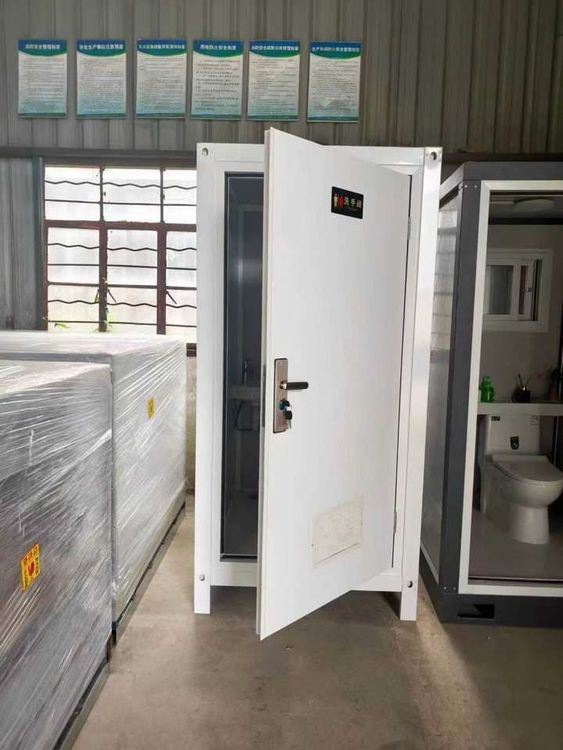
Ecological mobile toilets can be made using water storage barrels or tanks along with pallets, or by adopting solid-liquid separation technology to achieve harmless treatment of excreta.

Production Using Water Storage Barrels
- Basic Structure Construction: Split the water storage barrel in half lengthwise. Fix universal wheels at the four corners of a wooden board for mobility. Use wooden strips to fix along the upper side of the barrel to increase height. Cut an opening on the side of the barrel, install sponge strips to form a door frame, embed plastic soft boards to create raised walls, and place the upper half of the barrel on top of the wooden strips as a roof.
- Waterproofing and Decoration: Apply white waterproof paint to the wooden strips. Use foam strips to拼接 (assemble) discarded honeycomb wooden boards to make a simple door.
- Drainage and Water Supply System: Cut a hole at the bottom of the barrel and install a drainage pipe to form a floor drain. Cut holes on the side and bottom of a plastic barrel and connect them with direct fittings. Place the plastic barrel on the roof to form a small water storage device and connect it to a water pipe-made shower. Install a three-way fitting below the water inlet pipe and connect it to a showerhead. Place a toilet and install its water tank, securing it with glass glue. Connect the drainage pipe to a sewage tank. Horizontally connect a water pipe at the three-way fitting of the outlet pipe and extend it to the door as the water inlet pipe for a sink. Cut a hole in the door, install a fitting, and connect a hose to make a sink.
Production Using Water Storage Tanks and Pallets
- Mobile Structure Installation: Fix universal wheels at the four corners of the bottom of a pallet. Place water storage tanks collected from garbage stations on the pallet.
- Tank Processing and Assembly: Use an angle grinder to cut along the marked line on the top of the water storage tank to remove the top and form an open tank. Invert another open-top water storage tank and stack it on the first tank, securing the outer frame with self-tapping screws. Cut the outer frame and tank body of the water storage tank to form a doorway.
- Internal Facility Installation: Cut a hole in the floor inside the water storage tank, insert an elbow from the bottom upwards, cut into a water pipe, and seal it with glue. Cut off the excess water pipe, align the toilet with the drainage hole, place it, and secure it with glue. Fix a water pipe on the wall buckle and install a faucet. Fix a pipe cap with screws below the faucet, connect a water pipe, and cut a hole at the bottom as the outlet for the drainage pipe. Cut a hole in the pipe cap, apply glass glue, and fix a sink made of a stainless steel basin. Connect the water inlet pipe to the toilet water tank, connect the shower hose, and install a shower bracket and toilet seat. Make a spray-type showerhead with a water pipe and install it.
- Door Production: Place a wooden board on the frame of the water storage tank and fix hinges. Fix the other side of the hinges to a wooden box to form the door of the toilet. Then install a door handle on the door.
Solid-Liquid Separation Technology
Ecological public toilets can adopt solid-liquid separation technology to achieve harmless treatment of excreta through microbial decomposition. During initial operation, 70 - 80 kilograms of water need to be injected at one time to maintain the activity of the bacterial community. Some models are equipped with an intelligent temperature control system, and the operating temperature may exceed 60℃, which also has a sterilization and disinfection function.
Related