
Ecological Mobile Toilet Processing
Ecological mobile toilets support custom processing based on provided drawings or samples. Here is a detailed introduction to the processing of ecological mobile toilets:
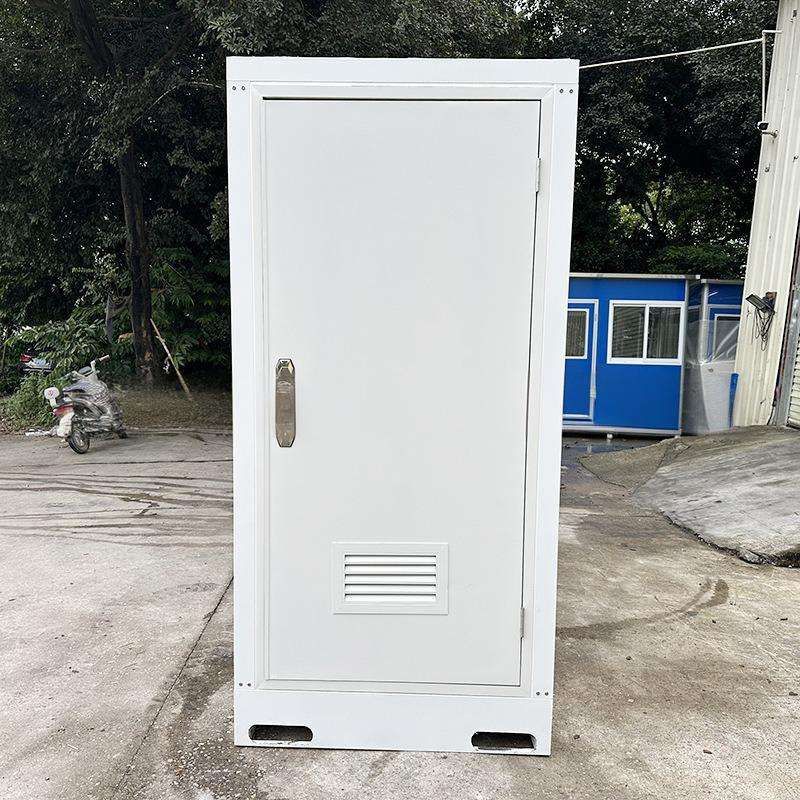
I. Flexibility in Custom Processing The custom processing of ecological mobile toilets offers a high degree of flexibility, allowing for personalized designs according to customer needs. Taking Cangzhou Zhoumei Sanitation Equipment Co., Ltd. as an example, their ecological mobile toilets support custom processing based on provided drawings or samples. Customers can submit specific design drawings or samples, and the manufacturer will produce the toilets according to these requirements. This approach breaks free from the limitations of standardized products and can meet the unique demands of different scenarios, such as those in tourist attractions, construction sites, and temporary event venues, which may have varying requirements for the appearance, functionality, or size of the toilets.
II. Diversity in Materials and Appearance Material selection is a crucial step in the processing. Ecological mobile toilets often use metal carved panels as the main material. These panels are corrosion-resistant, aging-resistant, and easy to clean, and their surfaces can feature a variety of textures through carving techniques, enhancing their aesthetic appeal. In terms of color schemes, customers can choose flexibly based on the usage scenario or brand style, such as simple color combinations like yellow, deep purple, or blue and white. These colors can blend into the natural environment or highlight personalized branding. Some manufacturers also offer customized color matching services, using color-matching systems to achieve more precise color reproduction.
III. Adaptability of Functional Modules Custom processing is not limited to appearance; the combination of functional modules can also be adjusted as needed. Ecological mobile toilets typically include basic toilet units and can be expanded with additional features such as solar power systems, sewage treatment units, and smart sensor flushing devices. For example, in remote areas without municipal sewage networks, biological degradation treatment modules can be added to achieve harmless treatment of feces. In cold regions during winter, insulation layers or underfloor heating systems can be installed to ensure normal operation of the equipment. This modular design enables the toilets to adapt to different climatic conditions and functional requirements.
IV. Targeted Application for Specific Scenarios The core goal of custom processing is to address usage pain points in specific scenarios. For instance, toilets in tourist attractions need to balance aesthetics and environmental friendliness. They can use wood-grain metal carved panels paired with natural color schemes and be equipped with water-saving flushing devices. On the other hand, toilets at construction sites prioritize durability and convenience. They can be constructed with thickened steel plate structures and simplified interior decorations, while also incorporating mobile wheel sets for easy relocation. Through targeted designs, ecological mobile toilets can better serve their intended scenarios and enhance user experience.



