
Ecological Mobile Toilet Construction
The application of ecological mobile toilets in construction is mainly reflected in aspects such as environmental protection characteristics, pollutant containment, energy and resource consumption, flexibility in full-cycle management, and adaptability of technical routes and product forms.
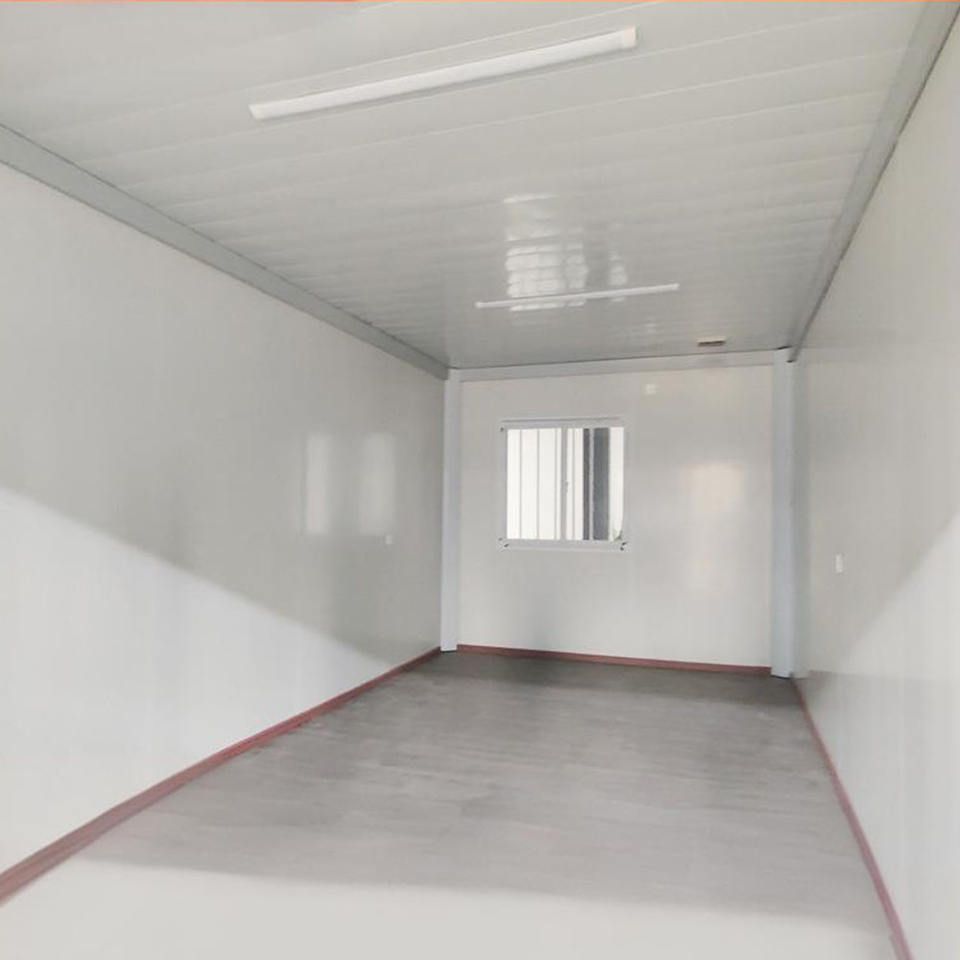
Environmental Protection Characteristics and Minimal Ground Intervention in the Early Stages of Construction: As modular sanitation facilities, ecological mobile toilets do not require connection to municipal drainage systems. They achieve on-site containment of pollutants through independent sewage storage units. This design bypasses the ground surface disruption involved in the construction of traditional fixed toilets, reducing secondary disturbances to the ground structure in the early stages of construction. It also lowers the risks of dust generation and soil exposure, making it particularly suitable for construction scenarios with high requirements for protecting ecologically sensitive areas.
Pollutant Containment Methods and Protection of Construction Areas: Their enclosed temporary storage systems convert excreta into solid or semi-solid waste for centralized containment, avoiding the risks of sewage overflow or soil infiltration during construction. Some models equipped with biodegradation technology can initiate preliminary decomposition within the sewage storage units, reducing the subsequent treatment load. The sealed design blocks the pathways for pollutant dispersion caused by rainwater scouring, effectively protecting the water and soil environments in construction areas.
Optimization of Energy and Resource Consumption Patterns: New-type ecological mobile toilets use solar power to maintain the operation of lighting and ventilation systems. Some models even achieve self-sufficiency for the flushing system. The application of waterless or micro-flushing technologies significantly reduces the total water consumption for construction, adapting to the early stages of construction where power grids and water supply networks are not yet covered. It also reduces additional carbon emissions generated by connecting to temporary energy sources, aligning with the concept of green construction.
Flexibility in Full-Cycle Construction Management: The modular structure of ecological mobile toilets allows for flexible adjustment of their positions according to the construction progress. They can be placed in areas with minimal environmental impact during the foundation excavation stage and redeployed as the working face shifts, avoiding the spatial lock-in of fixed facilities. After the project is completed, the toilets, after cleaning and maintenance, can be reused at other construction sites, extending the product life cycle and reducing construction waste generation.
Adaptability of Technical Routes and Product Forms: Ecological mobile toilets have developed technical routes such as waterless flushing, foam sealing, and water flushing, covering细分品类 (sub-categories) like antique-style and temporary construction site models, and supporting vehicle-mounted and traditional public toilet renovations. Their product forms have expanded to trailer-mounted, box-type substation cabinet-style, and stainless steel sentry box-style, etc., meeting the needs of special construction environments such as hydroelectric power stations and demonstrating technical universality and scenario adaptability.



