
Ecological Mobile Toilet
An ecological mobile toilet is a type of movable public toilet that uses advanced technology to achieve harmless treatment and resource utilization of excreta. Its characteristics can be elaborated from the following aspects:
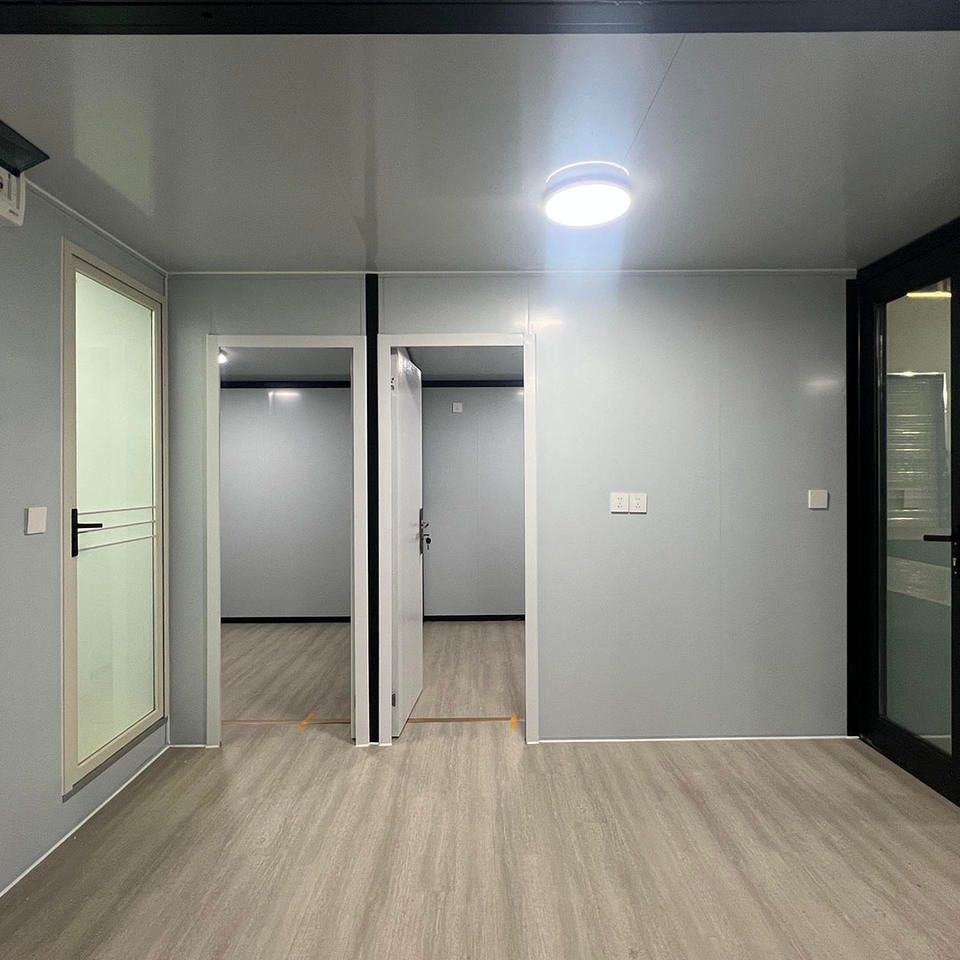
Technical Principle: It takes solid-liquid separation technology as the core and achieves harmless treatment of excreta through microbial decomposition. Some models use composite microorganisms to biochemically treat solid waste into gases such as carbon dioxide and water, achieving 'zero pollution discharge'. Urine, after decomposition and treatment, meets the standard for reclaimed water and can be recycled for toilet flushing or greening irrigation, significantly reducing water consumption.
Structural Characteristics:
- Durability: The toilet body mostly adopts a steel-frame cement composite structure, with excellent thermal insulation performance and a service life of over 20 years, adapting to extreme environments such as high cold and drought.
- Modular Design: It supports rapid assembly and can flexibly combine the number of toilet stalls according to needs, breaking through the transportation size limitations of traditional toilets and meeting the rapid deployment needs of large-scale events or temporary scenarios.
- Material Upgrades: The exterior wall uses thermal insulation and fire-resistant metal carved panels, the side door uses corrosion-resistant titanium-magnesium alloy, the interior wall selects environmentally friendly bamboo-wood fiber panels, and the bottom is laid with anti-slip tiles, balancing safety and aesthetics.
Functional Configurations:
- Intelligent Temperature Control System: It operates at temperatures above 60℃ and has both sterilization and disinfection functions, effectively inhibiting the growth of pathogenic microorganisms.
- Integrated Facilities: It is equipped with lighting, ventilation, and separation systems. Some models add convenient facilities such as bathroom cabinets, exhaust fans, and tissue boxes to enhance the user experience.
- Internet of Things (IoT) Technology: It achieves remote monitoring through 5G networks, enabling real-time monitoring of equipment operation status, toilet stall usage, and maintenance needs, reducing management costs.
Application Scenarios: It is widely applicable in scenic spots, high-cold and water-scarce areas, public places, and temporary demand scenarios (such as construction sites and outdoor music festivals). For example, 13 venues at the 2022 Beijing Winter Olympics adopted this technology, and the carbon-neutral public toilets deployed in Chengdu in 2024 saved over 3,000 tons of water annually, verifying their environmental adaptability.
Economic Efficiency: The construction cost of a single toilet stall is 100,000 yuan lower than that of a traditional water toilet, with an annual maintenance cost of about 15,000 yuan. It has significant long-term operational cost advantages, especially suitable for areas with scarce water resources or weak infrastructure.
Development History: Foreign research began in the late 1980s, with Japan inventing the first waterless ecological toilet. Modern technology has evolved into mainstream types such as waterless packing, waterless microbial composting, and waterless biodegradation, driving the industry towards a low-carbon and sustainable direction.



