
Ecological Environmental Protection Mobile Toilet Installation
The installation of ecological environmental protection mobile toilets requires a systematic process, covering the entire process from site planning and facility construction to post-maintenance. The specific steps are as follows:

1. Site Selection and Preparation
The site must meet the basic conditions of being flat, well-ventilated, and easily accessible, while also being far from water sources and food areas to avoid contamination risks. Before installation, thoroughly clear the site of obstacles such as weeds and garbage, ensuring the ground is dry and free of standing water to provide a stable foundation for subsequent construction. If the site has a slope, it should be leveled through filling or excavation to prevent facility tilting or difficulties in pipeline connections due to uneven ground.
2. Foundation Structure Construction
Based on the toilet model and size, select materials such as steel frames or pallets to construct the foundation structure. Steel frame structures should be fixed with bolts or welding to ensure the load-bearing capacity meets design requirements; pallet-type foundations require checking for levelness to avoid damage due to ground settlement. Some finished mobile toilets adopt a modular design and can be directly fixed by splicing columns without complex civil engineering work, but it is necessary to ensure good sealing at the splicing points to prevent leakage.
3. Facility Installation and Commissioning
- Main Body Assembly: Install components such as the toilet body, water tank, and fecal storage tank one by one according to the instructions, focusing on checking the firmness of connections. For example, some models require using an electric drill with a 4.2-millimeter drill bit to make holes, inserting rivets, and then fixing them with a rivet gun to ensure the alignment of panel splicing.
- Pipeline and Electrical Connections: Complete the对接 (connection) of sewage pipes, water inlet pipes, and electrical circuits, using dedicated sealing materials to prevent leakage. If equipped with solar panels or intelligent control systems, electrical wiring should be carried out according to specifications, and functionality should be tested.
- Finished Product Commissioning: After installation, conduct water and power tests to check whether the flushing system, lighting equipment, and exhaust devices are operating smoothly, and promptly troubleshoot any issues.
4. Environmental Beautification and Supporting Facilities Completion
- Beautification Projects: Enhance overall aesthetics and reduce odor diffusion by planting greenery, laying anti-slip floor tiles, or building fences.
- Supporting Facilities: Set up trash cans, handwashing sinks, and signage around the toilet to facilitate user convenience and guide proper behavior. For example, handwashing sinks should be equipped with water-saving faucets, and trash cans should be labeled for waste sorting to promote recycling.
5. Usage Management and Maintenance
Regularly clean and disinfect the interior of the toilet, empty and properly dispose of the fecal storage tank to avoid bacterial growth. Establish an inspection system to check for damage to pipelines, electrical components, and structural parts, and promptly repair or replace them. Reinforce ecological environmental protection concepts by posting environmental protection slogans or conducting user education to extend the service life of the facilities.
You may also like
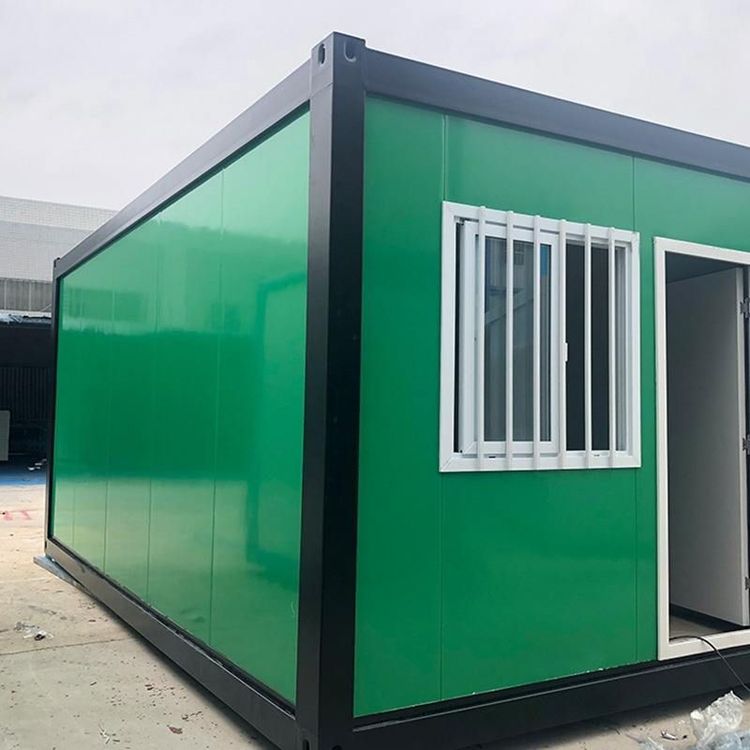
Portable Toilet Container in 2026: Buying Guide & Recommendations
Read More
Portable Toilet Color Steel Custom & OEM: Design & Bulk Production Guide
Read More
Portable Toilet Color Steel: Top Options & Considerations
Read More