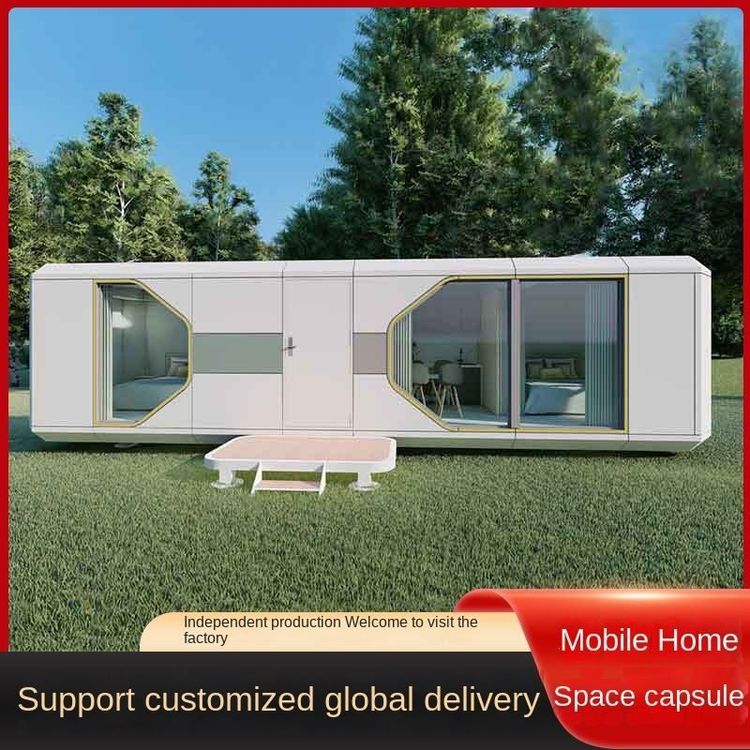
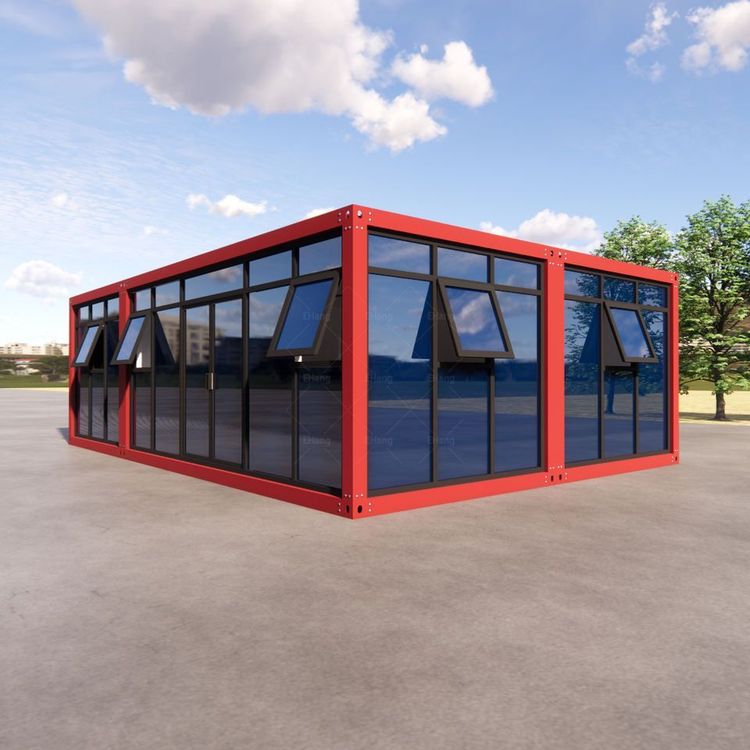
Images of Mobile Toilets for Earthquakes
Currently, we cannot directly provide images of mobile toilets for earthquakes, but we can offer a scientific explanation of their features and design points.

Mobile toilets for earthquakes are emergency sanitation facilities specifically designed for earthquake and other disaster scenarios, with the core objectives of rapid deployment, comprehensive functionality, and adaptability to harsh environments. The following provides an explanation from three aspects: design principles, structural features, and functional configurations.
Design Principles: Modularity and Lightweighting
Mobile toilets for earthquakes typically adopt a modular design, breaking down the main toilet body into multiple independent units (such as toilet stalls, waste storage tanks, and handwashing stations) for easy transportation and assembly. For example, a single toilet stall module may weigh only a few tens of kilograms and can be quickly transported to disaster areas by human or small machinery. In terms of material selection, high-strength lightweight alloys (such as aluminum alloys) or engineering plastics are preferred, ensuring structural stability while reducing overall weight. Some designs also incorporate foldable structures to further compress transportation volume and enhance deployment efficiency.
Structural Features: Impact Resistance and Leak Prevention
To cope with aftershocks and uneven ground after an earthquake, the bottom of mobile toilets is usually equipped with adjustable feet or anti-slip mats to ensure stability. The waste storage system adopts a sealed design to prevent sewage leakage and environmental pollution. For example, a double-layer waste storage tank structure (with an inner layer of replaceable plastic bags and an outer layer of metal protective tanks) can both prevent odor diffusion and withstand a certain degree of external impact. Additionally, some high-end models integrate seismic brackets to reduce damage to internal facilities caused by seismic waves.
Functional Configurations: Emergency and Humanization
Basic functions include independent toilet stalls, waste storage tanks, and ventilation systems (such as exhaust fans or natural ventilation openings). Some models are also equipped with handwashing basins and disinfectant dispensers. To adapt to power shortages in disaster areas, ventilation and lighting systems may use solar panels or hand-cranked power generation devices. In terms of humanized design, the interior of toilet stalls is equipped with handrails and anti-slip floors. The door locks adopt simple mechanical structures (to avoid electronic failures), and some models provide barrier-free access to facilitate use by the elderly and disabled individuals.
If specific images are required, it is recommended to search through the official websites of professional emergency equipment suppliers, disaster relief organization reports, or case illustrations in academic literature (such as Disaster Medicine and Emergency Technology).