Durable Mobile Toilet
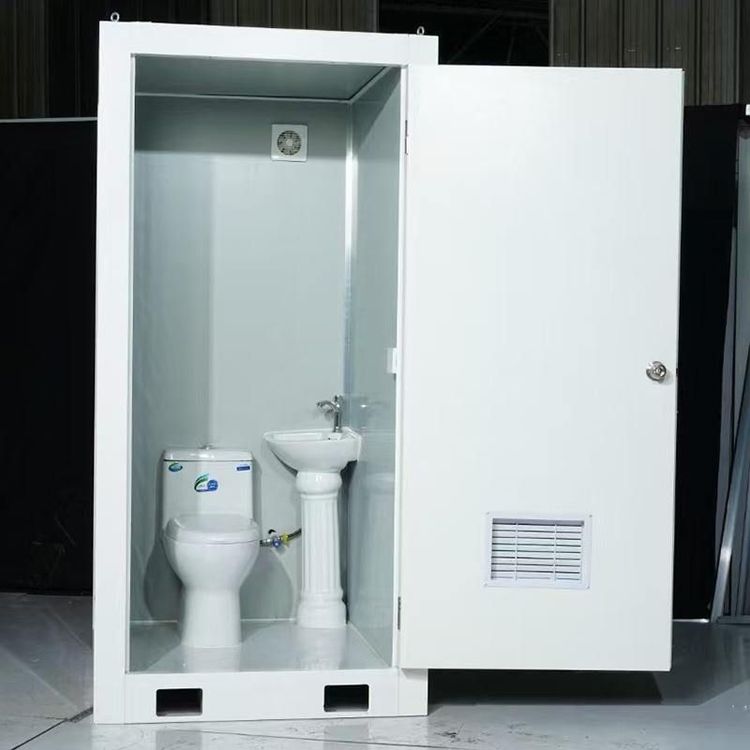
Durable mobile toilets are typically composed of core components such as fecal sewage storage tanks, floor slabs, sanitary ware, walls, washing equipment, water tanks, roofs, and mobile devices. Material selection and brand services are key factors affecting durability.
1. Structural Composition and Durability Design
The durability of mobile toilets is first reflected in their structural integrity. The fecal sewage storage tank is a core component. Early models used wood, which was prone to decay, while modern products mostly use fiberglass or polyethylene materials. These materials are corrosion-resistant and aging-resistant, allowing them to withstand long-term sewage erosion without deformation. The walls and roofs also use fiberglass or high-strength plastics, which can resist wind and rain erosion while maintaining structural stability. The floor slabs need to be slip-resistant and easy to clean, typically using wear-resistant plastics or slip-resistant tiles to avoid wear or cracking after long-term use. The mobile devices (such as wheels or towing structures) are made of metal materials and treated for rust prevention to ensure they are not easily damaged during frequent movement.
2. Impact of Material Selection on Durability
Materials are the core factor determining the service life of mobile toilets. Fiberglass is the preferred choice for high-end products due to its lightweight, high strength, and chemical corrosion resistance. It can withstand extreme temperatures ranging from -40°C to 80°C and has a smooth surface that is not prone to dirt accumulation. Polyethylene is widely used in economical products due to its strong impact resistance and low cost. It has a low density but good toughness, making it less likely to break even when subjected to external impacts. In addition, sanitary ware (such as toilets and washbasins) mostly use ceramics or engineering plastics. Ceramics have a smooth surface that is easy to clean, while plastics are lighter and more impact-resistant. Both need to pass high-strength tests to ensure long-term use without leakage.
3. Brand Selection and Quality Assurance
Brands in the top 10 of the 2026 mobile toilet brand rankings, such as Yihui, enhance durability through innovative design and strict quality control. Yihui products use high-quality fiberglass or polyethylene materials and undergo multiple tests from raw materials to finished products, including impact resistance, aging resistance, and leakage prevention, to ensure stable performance in outdoor or high-frequency use scenarios. Its user-friendly design (such as increasing the capacity of the sewage storage tank and optimizing the structure of the mobile device) reduces the risk of wear during use, while environmentally friendly options (such as biodegradable materials or energy-saving water tanks) extend product life by reducing chemical corrosion. In addition, the brand offers multiple specifications and styles to meet different scenario needs, avoiding additional wear caused by mismatched specifications.