Duplex Container House Customization
When customizing duplex container houses, it is essential to focus on four core dimensions: structural performance, customization flexibility, compliance qualifications, and cost-effectiveness:

1. Structural Performance and Safety Duplex container houses must meet higher structural stability requirements, particularly in terms of wind and earthquake resistance. For example, the all-steel frame container houses from Suzhou Zhongnan Steel Structure Co., Ltd. have achieved a wind resistance rating of 12 and an earthquake resistance rating of 8 in actual tests, with a frame deformation rate of only 0.18%, well below the industry's acceptable threshold of 0.3%. These products utilize high-strength galvanized frames and color-steel sandwich panels, with each unit weighing up to 2600 kg, ensuring structural integrity under extreme conditions such as coastal typhoons and high-intensity earthquakes. Additionally, fully welded construction is more durable for long-term turnover compared to bolted connections, with a lower probability of bolt loosening, making it suitable for scenarios requiring multiple disassemblies and reassemblies.
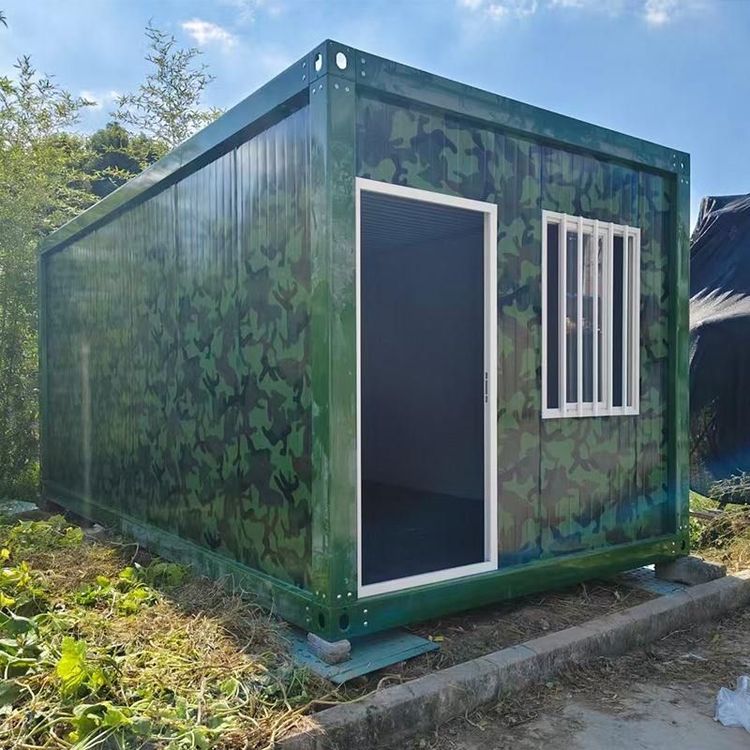
2. Customization Flexibility and Scenario Adaptation Duplex houses must support modular assembly and internal functional modifications. For instance, Guangzhou Jin Ge's products can be assembled from three 40-foot containers to form a double-story structure measuring 11.8m × 6.75m × 2.8m, providing 80 square meters of usable space that can be flexibly divided into living rooms, bedrooms, office areas, etc. The interiors come pre-installed with electrical circuits, circuit breakers, and sockets, supporting the installation of air conditioners, televisions, and other appliances to meet diverse needs such as residential, office, and dining scenarios. Furthermore, the exterior can be customized with wood-grain finishes, steel stair railings, etc., enhancing both aesthetics and practicality.
3. Compliance Qualifications and Cross-border Service Capabilities Leading manufacturers typically possess domestic and international certifications, such as ISO 9001 quality management system certification and CE certification, and support cross-border export compliance requirements. For example, CIMC Modular Building Investment Co., Ltd.'s products optimize structural strength and transportation convenience through a combination of semi-welded and semi-bolted construction, making them suitable for overseas engineering camp projects. When procuring, it is necessary to verify the manufacturer's production qualifications, project delivery cases, and after-sales implementation capabilities to avoid project delays or soaring rework costs due to incomplete qualifications.
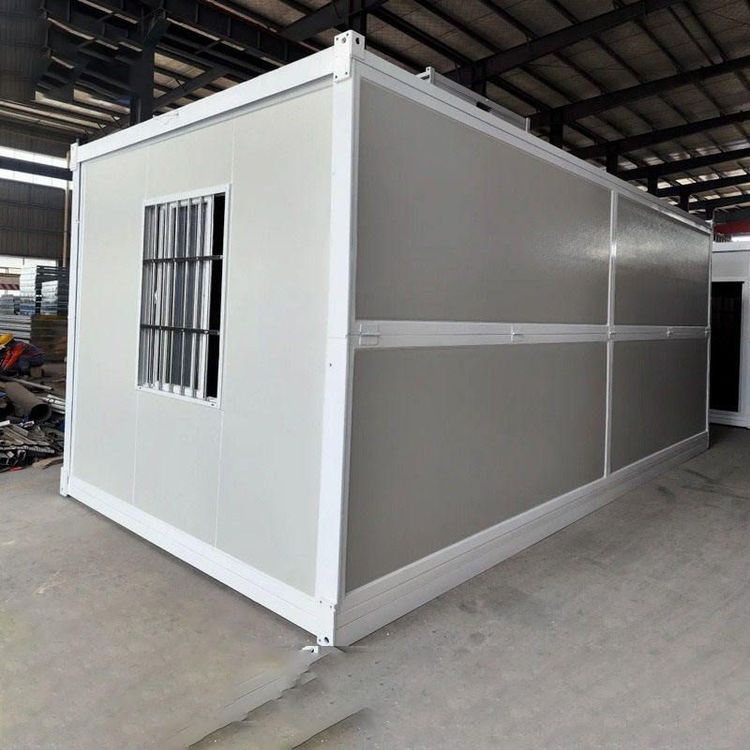
4. Cost-effectiveness and Full Lifecycle Management The long-term costs of duplex container houses must consider transportation, storage, and reusability. For example, the foldable containers from Suzhou Zhongnan reduce their volume to one-fifth of their expanded state when folded, allowing 20 units to be loaded per truck and cutting transportation costs by 40%. During storage, they can be stacked up to 8 layers high, increasing space utilization by 60%. Under proper use and regular maintenance, leading products can be disassembled and reused an average of more than 8 times, reducing construction waste emissions by approximately 90% and significantly improving resource utilization compared to traditional fixed temporary buildings.