
How About Dunhuang Container Houses
Dunhuang container houses offer advantages such as low cost, rapid operation, and flexible modification, but climate adaptability considerations are necessary.
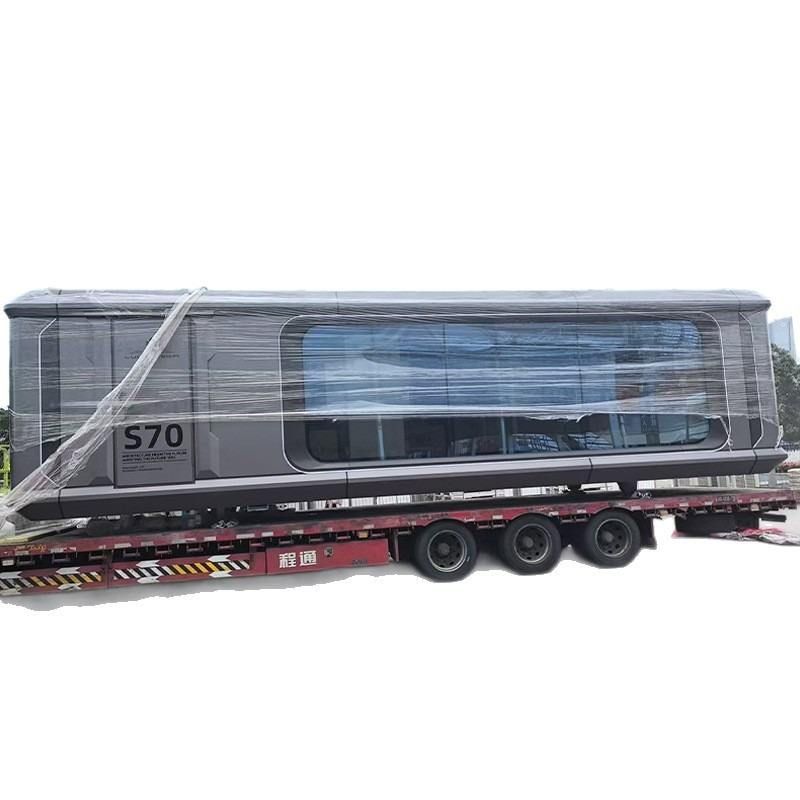
Significant Advantages and Wide Application Scenarios
Container houses in Dunhuang demonstrate unique value in the local homestay industry. Taking the container homestays near the Mingsha Mountain as an example, they are neatly arranged in blue and white colors. When the night lights are on, they resemble stars in the desert, combining aesthetics with distinctiveness. Each room is equipped with an independent bathroom and an observation deck, allowing guests to enjoy the outline of the Mingsha Mountain by simply opening the window, enhancing the accommodation experience. From an economic perspective, container houses are built using standardized modules, which can significantly shorten the construction period. As a result, homestay owners save nearly 30% on decoration costs. Moreover, the model of rapid operation aligns with the demand during the peak tourist season, attracting a large number of young travelers.
Flexible Modification to Adapt to Dynamic Needs
The modular nature of container houses makes them highly customizable. Owners can adjust the size and layout of the houses according to site conditions, install doors, windows, water, and electricity facilities, and even achieve functional zoning (such as separating the living room and bedroom) by combining multiple containers. Additionally, their relatively light weight allows for quick relocation using lifting equipment, a crucial feature for homestays in scenic spots. When tourist hotspots shift or site planning changes, the houses can be moved as a whole, avoiding resource waste caused by repeated construction.
Climate Adaptability Requires Special Attention
Dunhuang is located in Gansu Province, with a dry and windy climate, posing challenges to the living comfort of container houses. In terms of thermal insulation, the metal material of containers has strong thermal conductivity, so an insulation layer (such as polystyrene board or rock wool) needs to be added to the walls to reduce heat exchange between the interior and exterior. For moisture-proof design, a moisture-proof membrane should be laid on the ground to prevent moisture from the sandy soil from seeping in, while strengthening the ventilation system to reduce indoor humidity. Regarding sealing performance, sealing strips should be used at the joints of doors and windows to prevent wind and sand from entering and ensure indoor cleanliness. Although these treatments increase initial costs, they significantly enhance the long-term living experience.
In conclusion, Dunhuang container houses excel in cost control, operational efficiency, and scenario adaptability, but they require targeted optimization based on local climate characteristics to achieve a balance between functionality and comfort.



