
Drawbacks of Container-Modified Houses
Container-modified houses have drawbacks such as fire safety hazards, poor thermal insulation and sound insulation, limited space, susceptibility to rust, risks of unauthorized construction, and unsuitability for long-term residence.
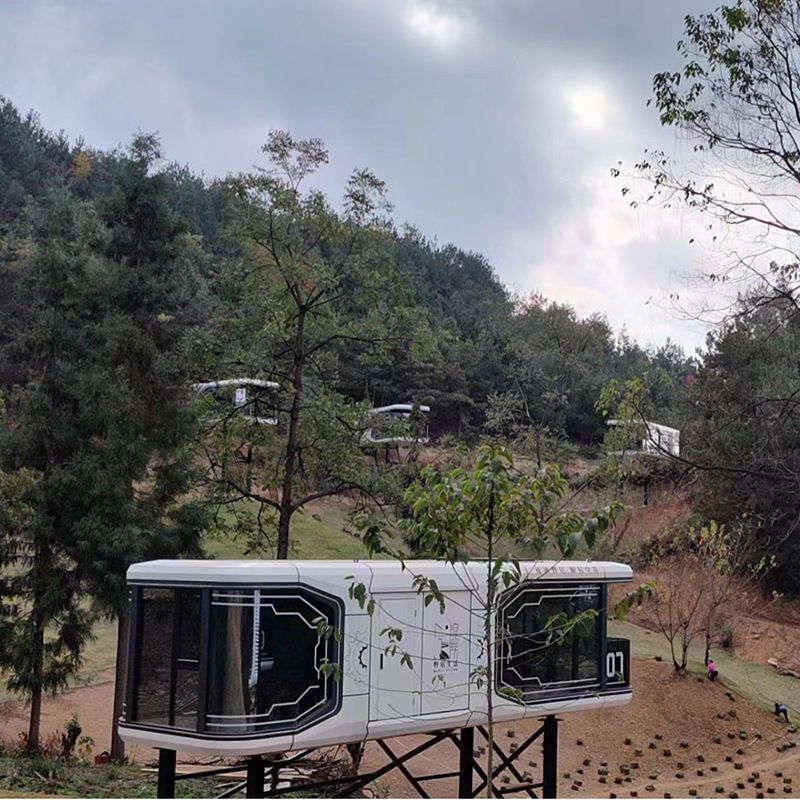
Prominent fire safety hazards: Containers are mostly made of steel. Under high temperatures, the strength of steel significantly decreases. When the temperature reaches around 600℃, steel is prone to deformation or even collapse. Moreover, if the electrical wiring is improperly installed, it can easily cause fires. For example, in 2020, two container-modified houses in the industrial park in Anci District, Langfang City, caught fire due to a fault in the electrical wiring of the switch, which ignited the surrounding weeds.
Poor thermal insulation and sound insulation: Due to differences in materials used, low-end container houses cannot guarantee thermal insulation performance. When living in cold or hot regions, the indoor temperature is easily affected by the outside environment. At the same time, metal materials have good sound transmission properties, resulting in poor sound insulation performance, which affects the comfort and privacy of living.
Relatively narrow space: The interior space of containers is limited, with poor ventilation and lighting. Long-term residence can easily cause physical and mental discomfort to occupants. Moreover, during the modification process, details such as sanitation and fixed furniture need to be considered, making the process complex and resource-consuming.
Susceptibility to rust: Steel is at risk of rusting when exposed to a humid environment for a long time, which affects the service life and safety of the house. If long-term anti-corrosion treatment is not implemented during the construction phase, it will accelerate the rusting of the steel.
Risks of unauthorized construction: According to relevant laws and regulations, construction must obtain planning and land use permits in accordance with the law. Whether a container house constitutes unauthorized construction requires a comprehensive assessment of factors such as the nature and use of the land, whether the necessary permits have been obtained, and whether it complies with safety standards.
Unsuitability for long-term residence: Container houses have a relatively short service life, approximately 10 - 15 years. As the service life increases, safety hazards also increase, making them unsuitable as long-term residential housing options.



