
Back to blog
Article
Dragon Container Mobile House
Admin September 15, 2026
Dragon container mobile houses generally refer to modular and movable buildings transformed from containers as carriers, featuring characteristics such as rapid assembly, flexible relocation, and diverse functions. The following provides an introduction from the perspectives of structure, applications, advantages, and key purchasing considerations:
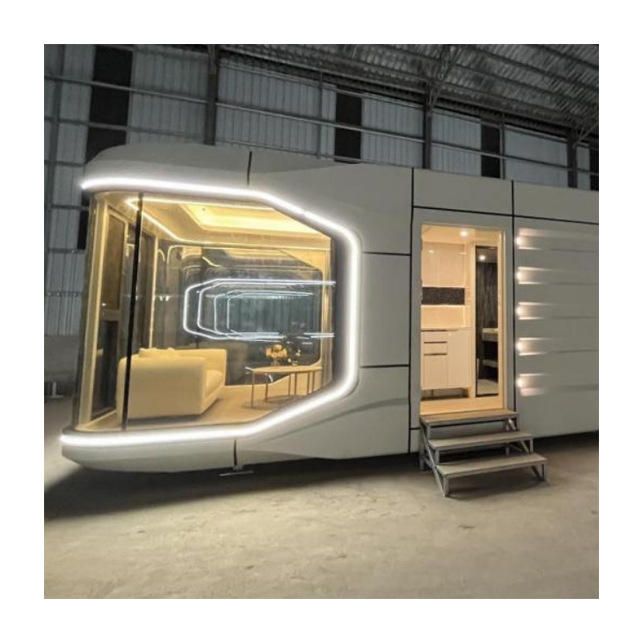
I. Structure and Types
Container mobile houses are based on standard containers (e.g., 20-foot and 40-foot) and are functionalized through steel structure reinforcement, wall filling (e.g., rock wool, polyurethane), and interior and exterior decoration. Common types include:
- Single-container houses: Used independently, suitable for construction site dormitories, temporary offices, or small shops.
- Combined houses: Multiple containers are joined together to create multi-story or large-space structures, such as temporary housing for schools and hospitals.
- Customized houses: Roofs (e.g., pitched roofs, flat roofs) can be modified according to needs, and additional doors, windows, or functional modules (e.g., bathrooms, kitchens) can be added.
II. Application Scenarios
- Temporary building needs: Temporary housing for construction sites, post-disaster reconstruction, and large-scale events (e.g., exhibitions, music festivals).
- Commercial and cultural tourism: Pop-up shops, cafes, and guest rooms in homestays, leveraging the industrial design of containers to attract customers.
- Public services: Mobile medical stations, community service centers, and remote office locations.
- Industrial sector: Equipment rooms and material warehouses, utilizing their moisture-proof and fire-resistant properties to protect goods.
III. Core Advantages
- Rapid deployment: Prefabricated in factories, they only require on-site assembly and fixation, reducing installation time by 40%-60% compared to traditional buildings.
- Flexible relocation: They can be transported as a whole via crane, adapting to the needs of frequently changing locations.
- Environmentally friendly and durable: Made of high-strength steel structures, they have a lifespan of over 15 years, and the materials are recyclable.
- Cost-effective: Standard containers are relatively inexpensive, and customized products vary in price based on configuration, generally being lower than the cost of traditional buildings.
IV. Key Purchasing Considerations
- Compliance: Verify local planning and fire safety approval requirements for temporary buildings.
- Structural safety: Check the strength of the steel structure, wind resistance rating (e.g., resistance to 15-level typhoons), and fire resistance (fire endurance limit ≥ 4 hours).
- Functional suitability: Select supporting modules (e.g., bathrooms, power distribution boxes) according to the intended use and ensure integrated design of water and electricity pipelines.
- Manufacturer qualifications: Prioritize reputable enterprises with engineering cases and maintenance services (e.g., Shenzhen Qilong Construction, Anhui Hulong Construction Engineering).



